In a crucial move, Saudi Arabia has reaffirmed that its national security is a “red line” by demanding the United Arab Emirates to pull its forces out of Yemen within 24 hours. This stern warning follows a Saudi-led coalition airstrike on Yemen's Mukalla port, signaling escalating tensions between these pivotal Gulf allies.
Rashad al-Alimi, the Saudi-supported leader of Yemen's presidential council, made the withdrawal demand and announced the cancellation of the defense pact with Abu Dhabi. During a broadcast, he condemned the UAE for allegedly fostering unrest and backing armed factions that threaten Yemen's government.
Al-Alimi claimed that the UAE has been guiding the Southern Transitional Council (STC), the main separatist entity in southern Yemen, to intensify military confrontations against government forces. Saudi Arabia echoed these sentiments, urging the UAE to heed the withdrawal order. The UAE's foreign ministry has yet to respond to these assertions.
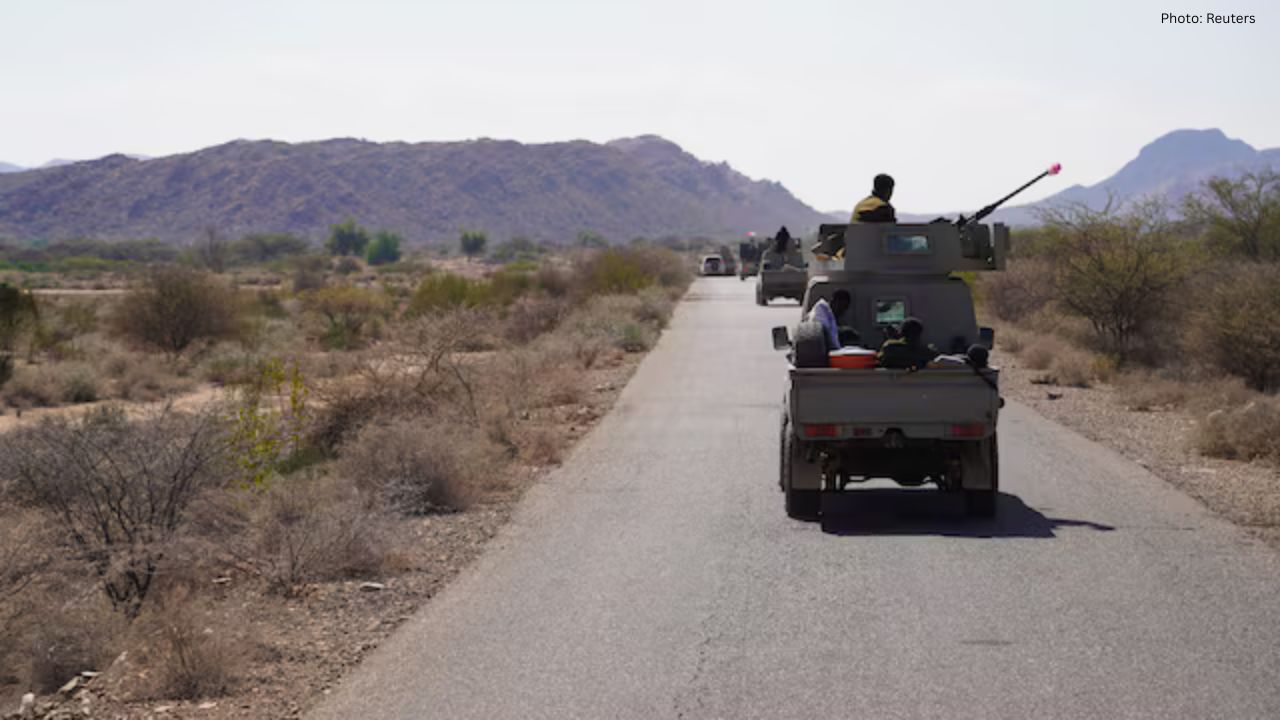
The rising discord comes amid hostilities in southern Yemen, where the STC has initiated military actions in Abyan province, putting the Saudi-supported government forces and UAE-backed separatists on a collision course amid a prolonged civil war.
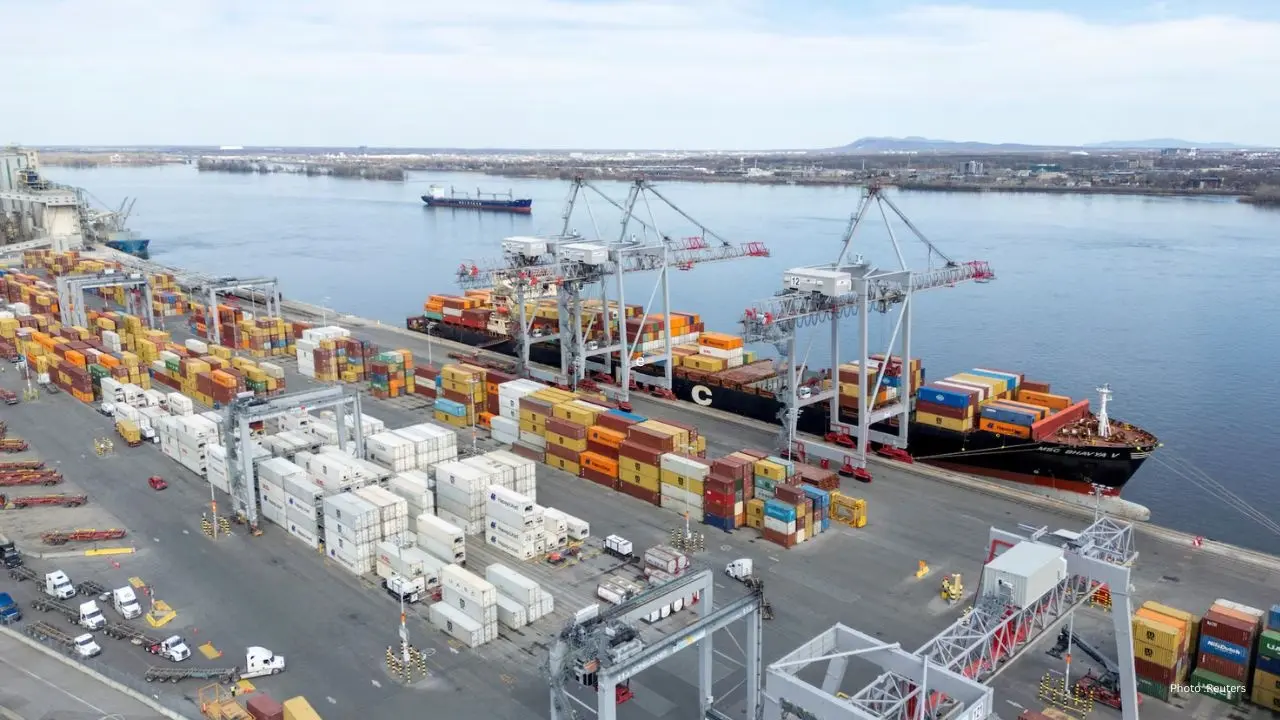
Saudi state media reported a targeted airstrike on Mukalla’s port by the coalition due to several ships coming from Fujairah port without proper clearance. The coalition claimed these ships disabled their tracking systems to offload weapons and military vehicles for the STC.
Officials confirmed there were no civilian casualties or damage reported. Information from two sources indicated the airstrike was specifically aimed at the dock area. In response, Yemeni authorities have established a temporary no-fly zone and implemented a blockade on maritime and land routes, with limited exceptions allowed by the coalition.
The UAE previously played a crucial role in the Saudi-led coalition aimed at countering the Iran-affiliated Houthi movement controlling northern Yemen, including the capital, Sanaa. While the UAE decreased its military involvements in 2019, it still backs allied southern forces like the STC.
The STC governs significant regions in southern Yemen, including the vital Hadramout province, which shares historical and cultural links with Saudi Arabia. This proximity makes any developments there particularly sensitive to Riyadh, as many notable Saudis have ancestral ties to the area.
Earlier, Saudi Arabia had cautioned the STC against expanding its military actions and mandated a retreat from Hadramout, which the group has rejected, further exacerbating the ongoing crisis.
The Saudi-led coalition has reiterated its stance to curb any foreign military assistance to Yemeni factions unless such actions are coordinated with the internationally recognized government. As tensions mount, experts warn that rifts between former allies could deepen the complexities in stabilizing Yemen and resolving its drawn-out conflict.