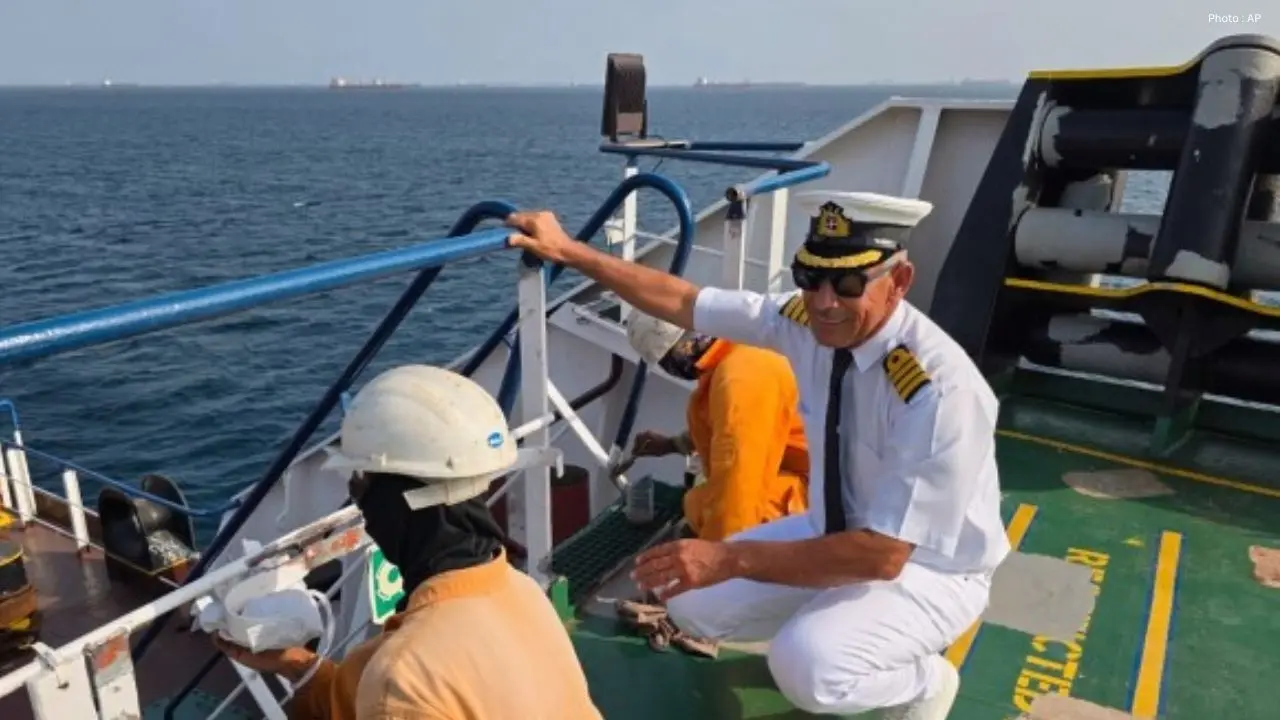
The persistent conflicts within the Middle East have significantly heightened the risks associated with global shipping, particularly in the vital Strait of Hormuz. Recent alerts have shown that oil tankers traversing these waters are increasingly endangered, placing both crew members and international trade at considerable risk.
One instance features a seasoned Iraqi ship captain who bravely navigates these perilous routes, highlighting the intense pressure and anxiety experienced by those working at sea during this ongoing turmoil. Vessels transporting oil are transforming into prime targets, facing threats from missile strikes, drones, and armed assaults.
The Strait of Hormuz is a crucial maritime pathway, with approximately one-fifth of the world's oil passing through it daily. Interruptions in this passage could lead to significant repercussions for fuel prices and economies worldwide.
Recent escalations have arisen from military engagements and shipping restrictions, with reports indicating that Iranian forces have aimed at vessels and imposed controls within the vicinity. Some oil tankers have been compelled to alter their courses or abandon their journeys due to safety apprehensions.
Meanwhile, the United States has enforced measures against specific ships associated with Iran, fostering direct confrontations on the high seas and raising the prospect of intensified conflict. As both parties adopt rigid stances, commercial shipping finds itself caught in a precarious predicament.
For sailors and their crews, the current circumstances are extraordinarily daunting. They face the daily necessity of carrying out their duties amid the persistent threat of assault. Many vessels now operate with reduced crews and adhere to strict safety protocols for emergencies. The emotional strain on workers is severe, as they remain distanced from their families while navigating these treacherous waters.
This crisis has also cast a shadow over global oil markets. Oil prices have begun to rise amidst fears of supply deficiencies. With delays and blockades affecting tankers, the influx of oil to importing nations dwindles, potentially inflating fuel costs and placing economic strain on both businesses and households.
Experts caution that even if tensions subside, the path back to regular shipping practices may be prolonged. Issues related to infrastructure damage, security concerns, and elevated insurance premiums can hinder recovery efforts. The protracted nature of this conflict stands to further strain global trade and energy availability.
This evolving scenario underscores the critical importance of secure maritime routes for the international economy. A single chokepoint like the Strait of Hormuz can dramatically affect pricing and supply chains on a global scale. If such pathways become hazardous, the ramifications extend far beyond the immediate area.
As the situation unfolds, shipping companies, government entities, and international organizations remain vigilant. There are ongoing initiatives to bolster safety, yet the atmosphere of uncertainty persists.
The ongoing oil tanker crises within the Strait of Hormuz serve as a vivid reminder of global trade’s dependence on stability. Until tensions are alleviated, threats to shipping, energy supplies, and economic equilibrium are likely to endure.