The civil war in Sudan has escalated dramatically with rising allegations of foreign fighters, intensifying global concerns about the ongoing humanitarian and security crisis in the region.
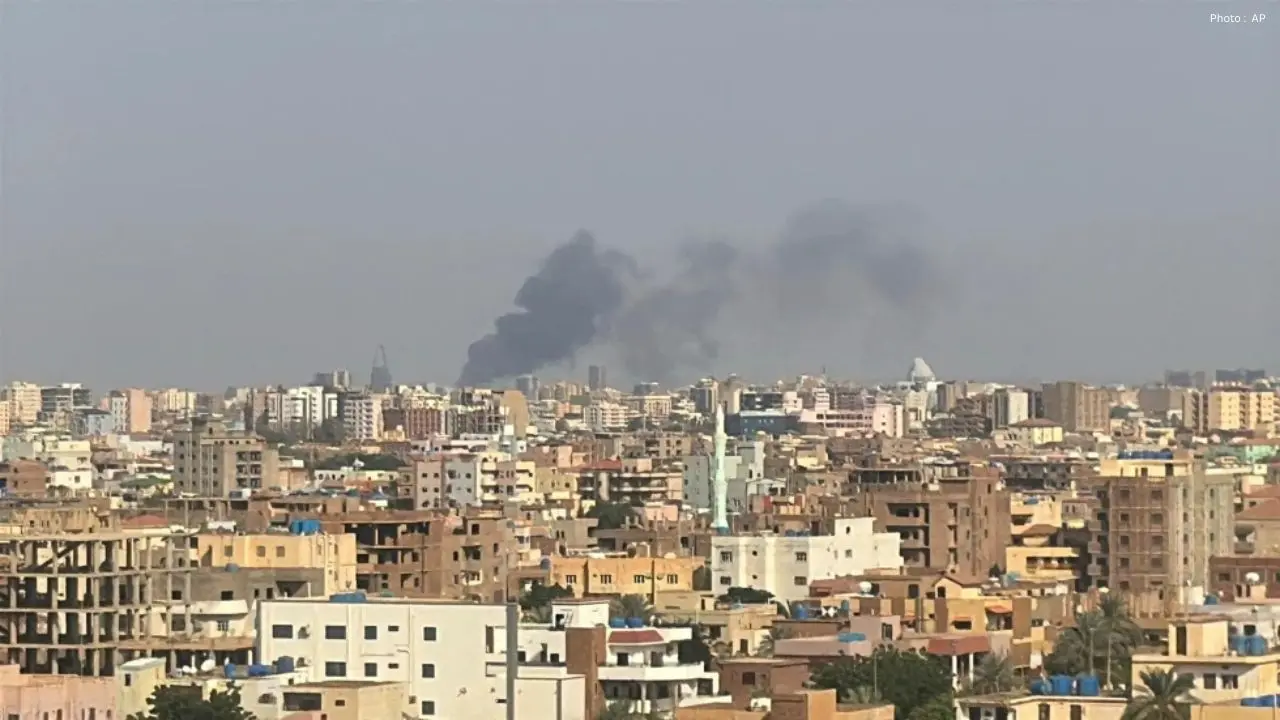
Since the outbreak of hostilities in 2023, the clash between the Sudanese Armed Forces and Rapid Support Forces (RSF) has led to widespread devastation throughout the nation. Millions of civilians have been displaced as major urban centers grapple with violence, food scarcity, and the collapse of essential services.
Recent findings have pointed to Colombian fighters allegedly engaged with the RSF. Despite these claims suggesting external regional support, the implicated nations have denied any such involvement.
General Abdel Fattah al-Burhan leads the Sudanese military in a fierce struggle against RSF commander Mohamed Hamdan Dagalo, known as Hemedti. The discord stemmed from political disagreements over military leadership and the shift towards civilian governance.
What initiated as a political and military standoff has morphed into a widespread conflict affecting critical areas, including Khartoum and Darfur, where entire neighborhoods have suffered extensive damage and essential institutions like hospitals and schools are barely operational.
Humanitarian agencies report that millions of Sudanese citizens now rely on emergency assistance for survival, with families facing acute food, medicine, electricity, and clean water shortages.
The emerging reports of foreign fighters heighten concerns that external involvement could complicate peace negotiations and prolong hostilities.
Experts argue that foreign fighters are often drawn to conflicts for their combat expertise, financial rewards, or political loyalties tied to regional dynamics.
Accused nations commonly dismiss allegations of indirect involvement and deny claims of military support.
Sudan's position near the Red Sea enhances its geopolitical relevancy. Various regional and international bodies are keeping a vigilant eye on developments, as instability in Sudan could disrupt trade routes, migration patterns, and broader security in Africa.
This ongoing war has resulted in one of the largest displacement crises globally, with millions fleeing to neighboring countries like Chad, Egypt, South Sudan, and Ethiopia, putting additional strain on already overburdened humanitarian resources.
Efforts for international mediation have so far failed to bring about a lasting ceasefire, despite numerous diplomatic meetings and negotiation attempts in recent years. Continued fighting persists across multiple regions.
Political analysts assert that regional rivalries, military competition, and economic interests are complicating negotiations.
Human rights organizations have frequently highlighted concerns regarding civilian casualties, assaults on residential areas, and violence against vulnerable populations during the conflict.
The conflict has also severely impacted Sudan's economy, transportation, healthcare, and education, with many businesses shuttered and public infrastructure heavily damaged.
Experts suggest that comprehensive international aid, political stability, and long-term peace agreements will be essential for rebuilding Sudan post-conflict.
For everyday citizens, navigating daily life amidst ongoing insecurity and shortages has become an overwhelming challenge.
The allegations regarding foreign fighters add another complex layer to Sudan's crisis.
Global leaders continue to advocate for humanitarian access, civilian protections, and renewed diplomatic efforts to address the violence before conditions worsen further.
The Sudan conflict has transformed from a national power struggle into a pressing regional concern with significant humanitarian and geopolitical ramifications.
As hostilities persist and peace initiatives face numerous obstacles, international scrutiny on the future stability of Sudan remains paramount, along with the urgent need for a political solution to restore safety to millions.