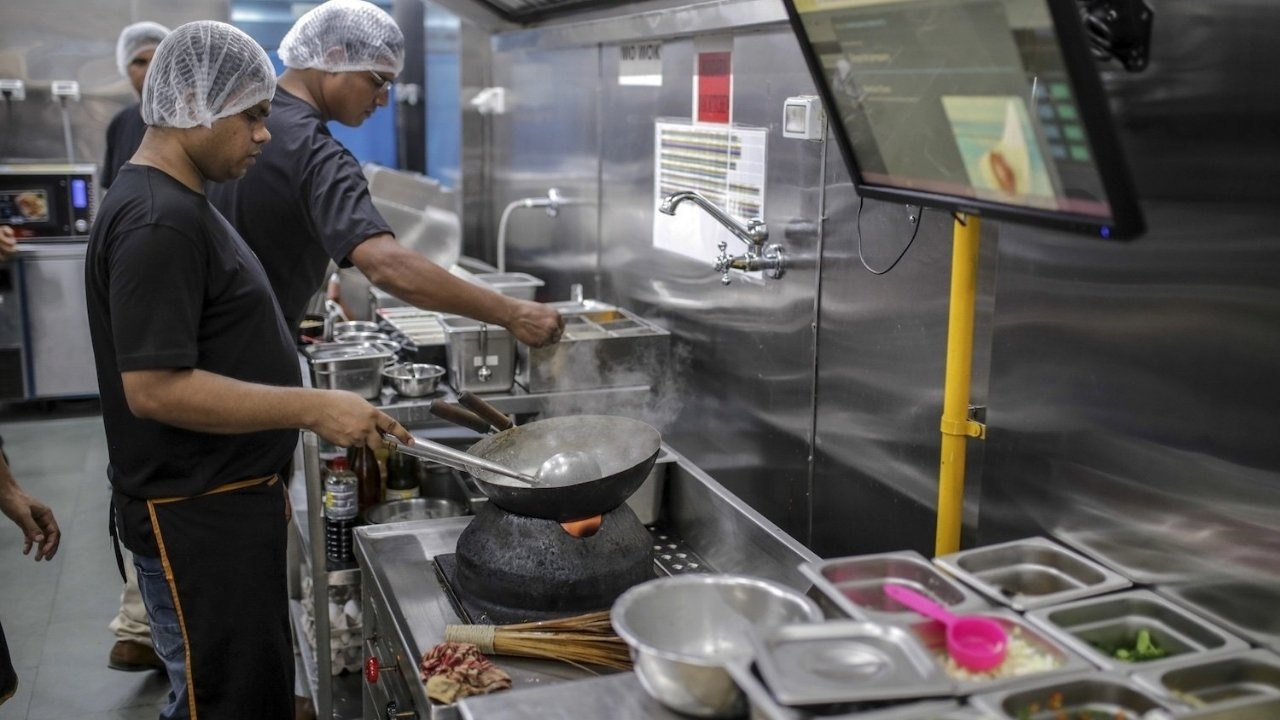
Cloud kitchens are fundamentally changing the culinary landscape in India. Initially seen as an urban trend restricted to major metros, these delivery-only setups have effectively penetrated smaller towns and cities. They deliver a mix that consumers universally cherish: fresh cuisine, rapid delivery, and economical pricing.
This transformation is crucial as it demonstrates how diners outside of major urban areas are valuing convenience, embracing digital payments, using food apps, and exploring diverse cuisines. Moreover, entrepreneurs are realizing that smaller cities provide an environment with lower overhead costs, easier logistics, and burgeoning demands.
This article delves into the role of cloud kitchens in redefining affordable dining in small Indian cities, examining the factors that make this model successful, its influence on consumers, and the challenges that lie ahead.
Understanding Cloud Kitchens
A cloud kitchen is a food delivery establishment that lacks dine-in facilities. There are no seating areas, waitstaff, or ornate decor; the focus is solely on preparing meals and delivering them through food apps or direct orders.
By utilizing modest spaces and avoiding costs associated with in-store dining, cloud kitchens minimize their expenses, making them appealing to operators and allowing for competitive menu pricing.
Why the Surge in Smaller Cities?
Originally thriving in metropolitan areas, cloud kitchens are now rapidly making their way into Tier-2 and Tier-3 cities for several reasons.
Reduced Real Estate and Labor Costs
In smaller locales, real estate, utilities, and labor expenses are substantially lower. A kitchen that would command a high price in a major city can be efficiently operated at a fraction of that cost elsewhere, enabling owners to keep menu prices reasonable.
Expanding Delivery Culture
Many smaller cities lack a diverse range of sit-down restaurants. As internet access and food-delivery platforms extend their reach, residents are more inclined to order food for home delivery. This shift has created a burgeoning market for cloud kitchens.
Underserved Customer Base
Smaller towns are not overwhelmed with dining options, allowing cloud kitchens to cultivate loyal customer bases quickly and become prominent names without excessive marketing efforts.
Evolving Expectations
As awareness of international cuisines spreads, consumers in smaller areas seek more than basic local dishes. Cloud kitchens can easily innovate their menus to meet these changing tastes without large financial investments.
How Cloud Kitchens Ensure Affordable Dining
Their operational structure allows for competitive pricing that appeals to budget-conscious consumers.
Lower Overheads = Lower Prices
By eliminating dining spaces, decor, and service costs, cloud kitchens benefit from significant savings. They typically run lean teams and utilize smaller facilities, which translates into more competitive meal pricing.
Streamlined Delivery Systems
Generally, smaller cities experience less traffic and shorter distances, improving delivery efficiency and reducing costs. Savings are often passed on to customers through minimal delivery charges or special combo deals.
Diverse Brands from One Kitchen
A single cloud kitchen can operate multiple virtual brands—such as biryani, Chinese, snacks, and wellness bowls—using the same staff and infrastructure, which provides a variety of choices to consumers without requiring multiple venues.
Growing Acceptance of Ordering In
As food ordering becomes part of daily life, increased order frequency helps stabilize costs and keeps meals affordable.
Utilizing Local Ingredients
Cloud kitchens often leverage local produce, grains, and spices, securing better price points for ingredients, which reflects positively in meal pricing.
Market Trends and Consumer Preferences
The cloud kitchen sector in India has seen consistent growth, particularly in Tier-2 and Tier-3 cities. Examples include Jaipur, Guwahati, Coimbatore, Ludhiana, and Raipur, where delivery-focused kitchens are cropping up, often outpacing their metro counterparts due to reduced competition and increasing demand.
Why Residents Prefer Cloud Kitchens
The advantages for consumers are becoming more apparent.
Restaurant-Quality Meals at Home
Residents gain access to varied menus—North Indian, Chinese, biryani, tandoor, and healthy options—without the necessity for a dine-in experience.
Ideal for Busy Families
Families often prefer takeaway during hectic days, celebrations, or simply for a night off from cooking. Short delivery times enhance this convenience.
Affordability and Variety
Thanks to lower operational costs, cloud kitchens can provide value meals, combos, and larger portions at accessible prices.
Supporting Local Economies
These kitchens create employment opportunities for cooks, packers, and delivery personnel while bolstering local suppliers, fostering an auxiliary economy surrounding the food delivery network.
Transparent Pricing Models
Consumers easily compare prices, portions, and ratings across various kitchens, driving competition that keeps prices fair.
Business Incentives for Entrepreneurs
For business owners, there are clear advantages in smaller cities.
Lower Initial Investment
Launching a cloud kitchen requires less capital, making it feasible for local chefs and small restaurant owners to enter the delivery market with reduced financial exposure.
Quick Market Entry
Fewer cloud brands in smaller towns facilitate quicker recognition and reputation building through word-of-mouth.
Adaptable Menu Options
Operators have the flexibility to try out new ideas, adapt multiple brands, and modify recipes to cater to local preferences, which can be done with minimal costs in a cloud kitchen setup.
Support from Delivery Services
Food delivery applications are rapidly expanding their reach, giving cloud kitchens visibility they may not access alone.
Challenges Ahead
The cloud-kitchen model is promising but comes with its own challenges.
Reliance on Delivery Platforms
High commission fees and dependence on platform algorithms may cut into profit margins and limit direct engagement with customers.
Building Credibility
Without a physical space, establishing trust hinges on the quality of packaging, hygiene standards, consistent flavors, and positive feedback.
Logistical Hurdles
Even in less congested areas, peak hours, staff limitations, or kitchen locations can impede delivery efficiency.
Adapting Menus
It’s essential to tailor offerings—portion sizes, spice levels, and pricing—to align with local tastes.
The Risk of Over-Saturation
Rapid growth could saturate the market, leading to reduced pricing and viability concerns similar to trends seen in metropolitan areas.
Looking Ahead
Several evolving trends will influence the cloud-kitchen industry in smaller towns:
Expanding multi-brand kitchens serving diverse menus from a single site
In-house ordering systems and loyalty programs to lessen reliance on aggregator apps
Accelerated delivery through satellite kitchens located in residential neighborhoods
Increased use of eco-friendly packaging as consumer awareness grows
A stronger focus on regional specialties and local sourcing
These trends hint that cloud kitchens are becoming vital components of the local dining scene, rather than mere novelties.
Cultural Impact of This Transition
For inhabitants of smaller towns, cloud kitchens are reshaping dining habits:
Ordering food is evolving into a weekly norm rather than an occasional treat
Consumers gain access to global cuisines that were previously unavailable
Families increasingly enjoy the convenience of high-quality meals at home
Local chefs find new opportunities to display their skills
Younger consumers embrace diverse tastes and dining formats
This shift is making the food culture in smaller cities more dynamic and varied.
Redefining Affordable Dining
Cloud kitchens generally provide:
Meals priced comparably or lower than dine-in options
Minimal delivery fees for local orders
High-quality food and hygienic packaging
A range of budget-friendly combos and single servings
With their low operational costs, cloud kitchens can uphold affordability while ensuring quality.
A Consumer Checklist for Cloud Kitchens
When selecting a meal from a cloud kitchen, consumers can consider these simple checks:
Delivery speed and accuracy
Comparative menu pricing to local restaurants
Packaging quality and hygiene standards
Customer reviews and consistency
Delivery radius to prevent high charges
Value combos that offer portion-friendly options
Conclusion
Cloud kitchens are no longer exclusive to urban lifestyles. They are revolutionizing dining in smaller Indian cities by providing affordability, variety, and consistent quality. Their unique business model effectively minimizes costs while fulfilling the rising appetite for quick, satisfying, and diverse meal options.
For consumers, cloud kitchens offer convenience and choices galore. For entrepreneurs, they present a low-risk avenue to engage in the food sector. For local economies, they contribute to job creation, culinary innovation, and a reimagined food culture. As consumption patterns evolve and technology continues to integrate into daily life, cloud kitchens are poised to play an increasingly significant role in the dining landscape of smaller communities.