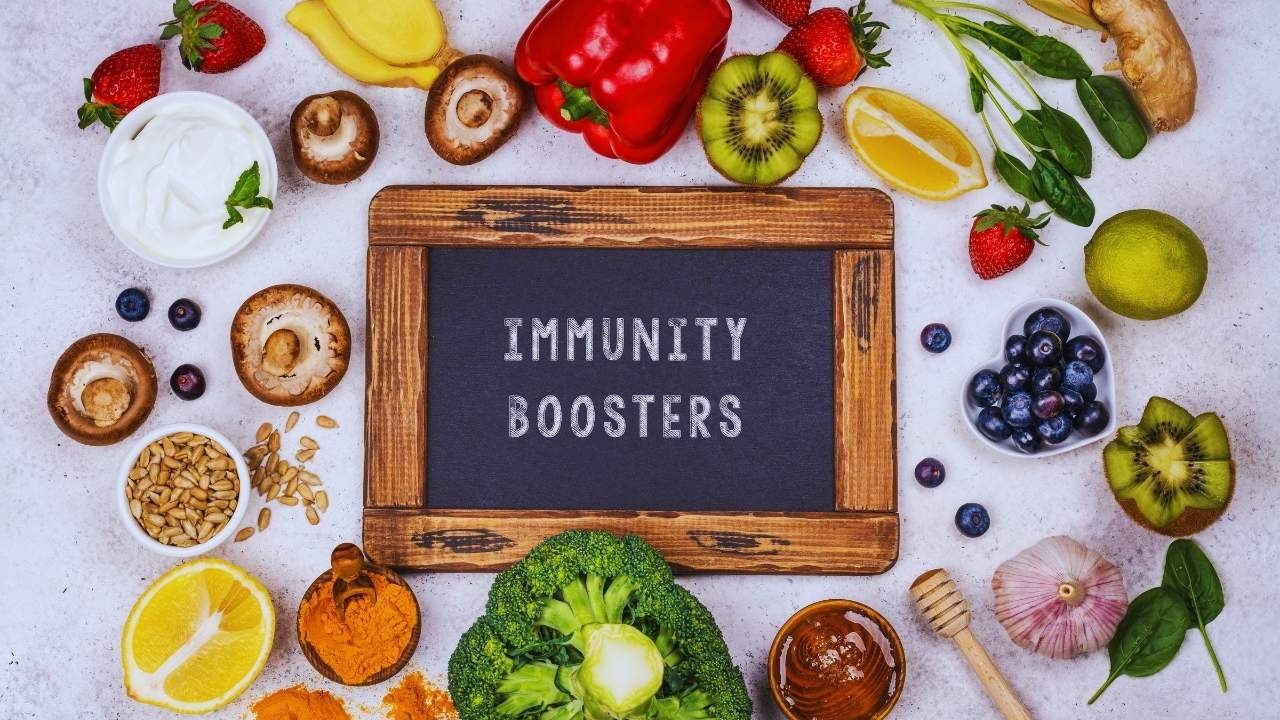
This Week's Surge in Immunity-Centric Cooking
This week, discussions revolving around immunity-oriented cooking have resurfaced in homes and cafés. Health forums and community wellness initiatives have sparked renewed interest in how our dietary choices can bolster our body's natural defenses. Unlike fleeting fads or fancy supplements, this trend emphasizes the importance of simple, evidence-supported ingredients that have stood the test of time.
Families are finding accessible ways to incorporate immunity-boosting foods into their daily menus. In light of seasonal changes, stressors, and unpredictable weather, there’s a growing demand for comforting, yet nourishing dishes. This week's dialogues underscored the gradual nurturing of immunity, reinforced through a balanced diet rich in nutrients, rather than rapid dietary changes.
The awakening to nutrition focuses on an integrated view of food and health, confirming that daily meals can serve both as comfort and as protection. From kitchen tables to online platforms, chefs and food enthusiasts are celebrating traditional Indian staples that enhance immunity.
Cooking for Immunity: Essential Components
Before we delve into the trending dishes, it’s vital to understand the fundamentals of immunity-boosting cooking. Contrary to popular myths, immunity cannot be credited to occasional superfoods but is supported by:
-
A myriad of colorful fruits and vegetables
-
Well-rounded macronutrients (proteins, healthy fats, and complex carbs)
-
Vital vitamins and minerals such as C, D, A, E, B-complex, iron, zinc, and selenium
-
Gut-friendly foods to maintain diverse microbiomes
-
Anti-inflammatory herbs and spices
-
Proper hydration and consistent meal timing
This week's discussions reiterated the importance of consistency over extreme dietary shifts. Foods that bolster immunity also contribute to overall health—enhancing digestion, sleep, focus, and energy levels.
The trending dishes of the week embody these principles: simple, comforting, nutrient-heavy, and deeply rooted in cultural familiarity.
Highlighted Ingredients Making a Comeback
Turmeric and Black Pepper: A Timeless Pair
Long acknowledged for its anti-inflammatory properties, turmeric's benefits multiply when paired with black pepper for enhanced curcumin absorption. Families are creatively incorporating turmeric in soups, lentils, and stir-fries beyond the typical turmeric milk.
Citrus & Seasonal Vegetables
The focus on Vitamin C sources like lemons, oranges, and green bell peppers has amplified, highlighting the importance of seasonal produce that promotes gut health through antioxidants and fibres.
The Ginger, Garlic, and Onion Trio
This familiar combination from Indian kitchens is trending for its potent antimicrobial and anti-inflammatory benefits, with home cooks using them more liberally in broths and curries.
Whole Grains and Millets
Whole grains, especially millets, are gaining popularity due to their rich mineral content and fibre that supports gut health.
Probiotic Elements
Homemade fermented foods like curd and pickled vegetables have garnered renewed interest, emphasizing gut health as a key player in immunity.
Healthy Fats: Seeds and Nuts
Nuts and seeds, including almonds and flaxseeds, contribute to immune regulation while cold-pressed oils provide essential nutrients.
Trending Immunity-Boosting Dishes
1. Turmeric and Ginger Lentil Soup
A favorite this week, the comforting turmeric-ginger lentil soup offers warmth and nutrients. Crafted with yellow lentils and spices, it supports muscle recovery and inflammation reduction.
2. Citrus Vegetable Stir-Fry with Sesame
Bright vegetable stir-fries with a zest of lemon have become a go-to quick meal, providing vital nutrients and healthy fats through sesame.
3. Garlic Spinach Millet Khichdi
A comforting khichdi featuring spinach and garlic, it's easy on digestion and rich in essential nutrients.
4. Amla and Mint Chutney
Rich in Vitamin C, this chutney blends amla with fresh herbs, adding a nutritious touch to meals.
5. Ginger-Lemon Rasam
A light and digestive-friendly rasam gains traction for its refreshing balance and restorative properties.
6. Yogurt and Fruit Breakfast Bowls
Probiotic-rich bowls featuring seasonal fruits and nuts have become widely popular for their simplicity and health benefits.
7. Masala Oats with Vegetables
An easy-to-digest dish, these masala oats offer essential nutrients while supporting metabolism.
8. Warm Herbal Kadha
This traditional drink remains popular, especially during cold evenings, with its blend of herbs for warming comfort.
9. Beetroot and Carrot Soup
A vibrant soup, rich in nutrients, has gained attention as a heart-friendly choice among families.
Modern Features of Trending Dishes
Many of these dishes appeal to busy lifestyles by offering:
1. Quick Preparation
Most dishes can be made in under 30 minutes, fitting easily into packed schedules.
2. Recognizable Ingredients
Familiar components attract families who prefer traditional, trusted foods.
3. Multifaceted Benefits
The dishes are designed to support immunity, gut health, and overall wellness.
4. Comforting Nature
Warm meals provide comfort, indirectly benefiting emotional well-being.
5. Versatility
These dishes can be altered for various dietary preferences, ensuring inclusivity.
Shifting Towards Preventive Dining
Current health discussions are emphasizing preventative measures over reactive approaches. Families are starting to recognize the necessity of regular incorporation of immunity-friendly foods into their routines rather than viewing them as last-minute solutions.
Community feedback reflects noticeable trends such as:
-
Earlier meal scheduling
-
Less reliance on takeout
-
Increased vegetable and fruit intake
-
Forgetfulness of processed foods
-
Renewed interest in scientifically supported traditional recipes
-
Improved hydration practices
This marks a conscious shift towards a more sustainable health philosophy in households.
The Influence of Culture on Immunity-Tailored Cooking
Several trending dishes are not novel, tracing back to time-honored traditions in Ayurveda, Siddha, and local wisdom. This week's focus showcases the revival of these culinary strategies with a modern twist, guided by nutrition science.
Food traditions are helping reinforce:
-
Rediscovered vegetable pairings
-
More consistent use of fermented items
-
Seasonal produce tailored to local climates
-
Mixing spices for health benefits beyond flavor
The blend of traditional food histories with contemporary nutritional insights enhances culinary practices that feel familiar yet scientifically informed.
Restaurants Joining the Immunity Cooking Movement
Numerous urban eateries are adapting their menus to reflect rising consumer interest in immunity-boosting options.
-
Soups infused with turmeric, ginger, and fresh herbs
-
Bowls with millets and leafy greens
-
Fermented sides paired with meals
-
Herbal teas on beverage menus
-
Seasonal vegetable platters
This reflects how immunity-focused meals are transcending the home kitchen and becoming a staple in urban dining culture.
Misinformation Surrounding “Immunity Foods”
While beneficial, it’s essential to address common misconceptions:
-
No single miracle ingredient exists.
-
Spices can support health but aren't substitutes for medication.
-
Supplements alone won’t compensate for poor diets.
-
Overuse of ingredients like turmeric can lead to digestive issues.
-
Cooking methods are crucial; overheating can ruin nutrients.
-
Moderation and consistency are vital.
Being informed helps individuals approach immunity cooking with realism.
Building a Well-Round Immunity Plate
Families can easily plan their meals following this straightforward guideline:
-
Half the plate: vibrant vegetables (raw or steamed)
-
One-quarter: protein sources (lentils, beans, or meats)
-
One-quarter: whole grains or millets
-
One tablespoon: nuts or seeds
-
One serving: fermented items (curd or pickles)
-
One small amount: spices (cumin, ginger, etc.)
This framework ensures a steady intake of nutrients conducive to enhanced immunity.
Final Thoughts
This week’s emphasis on immunity cooking signifies a profound change in how households perceive everyday nutrition. Rather than seeking quick fixes, there’s a collective embrace of enduring, evidence-rooted ingredients and time-tested culinary methods. The trending dishes reveal a cherished bond with comforting meals that simultaneously nourish and fortify the body. As families navigate busy lives and changing climates, immunity-boosting cooking serves as a practical and enriching pathway toward well-being.
Disclaimer:
This article is for educational purposes only and should not substitute for expert medical advice. Always consult a healthcare professional for health-related concerns.