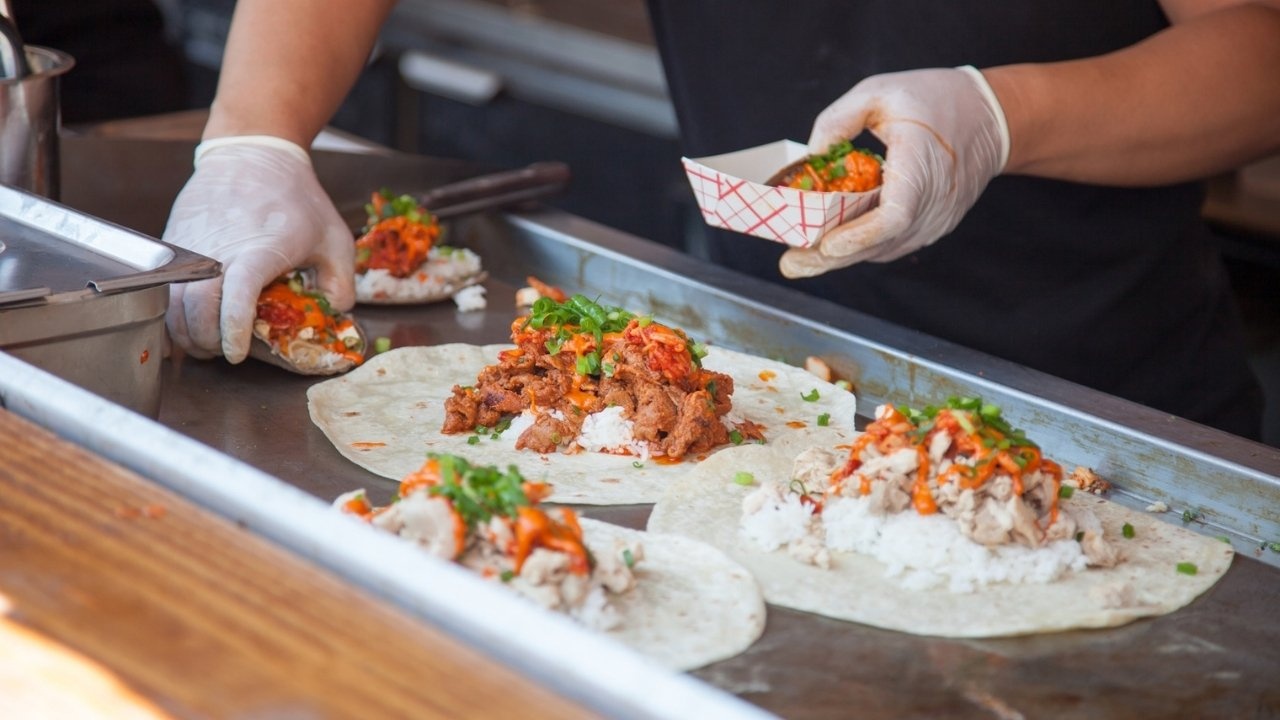
Street food is deeply ingrained in city life, offering delicious and affordable meals to countless diners. This week, new updates to street-food regulations have sparked discussions among both vendors and consumers. Aimed at modernising the street-food landscape, these changes focus on improving hygiene, enhancing safety, and simplifying licensing processes while respecting traditional practices.
For many, street-food culture transcends mere convenience; it's part of their identity, livelihood, and community. The revised regulations will reshape how street food is prepared and enjoyed, as while some vendors see these changes as a chance to elevate their business, others fear the financial and procedural burdens they may bring. Customers are enthusiastic about increased safety but are wary of potential price increases or reduced menu options.
This article breaks down the newly instituted rules in a clear and approachable way. Regardless of whether you're a vendor seeking compliance or a regular street-food lover curious about these updates, this guide covers every essential detail in 1800 words.
Why the Street-Food Regulations Needed an Update
Street-food regulations are revised periodically, but this update stands out due to its comprehensive nature. Officials highlighted the necessity of these changes given various evolving influences impacting the food sector.
Expansion of the Street-Food Landscape
Over the last decade, street food has transformed significantly, becoming a primary meal choice for many due to urbanisation and shifting lifestyles. This growth necessitates organised guidelines to ensure safety and quality.
Enhanced Public Health Awareness
Recent health crises have heightened expectations around hygiene, leading customers to expect safer cooking practices and ingredient transparency. In response, regulators have tightened cleanliness and waste management regulations.
Demand for Regulatory Adaptation
A significant gap was identified between previous regulations and current street-food operations, such as mobile vendors and pop-up stalls.
Improving Accessibility for Vendors
Recognising that many small vendors faced obstacles navigating old regulations, the new rules aim to simplify compliance and make licensing more attainable.
Key Changes in the Newly Updated Regulations
The recently imposed guidelines affecting various operational aspects include:
Essential Hygiene Training
Vendors must now complete basic hygiene training sessions, designed to be user-friendly and available in multiple languages, addressing key topics like handwashing and food storage.
Standardised Cooking Areas
Setups must now include:
-
Elevated cooking surfaces
-
Protected food storage
-
Separate boards for raw and cooked items
-
Routine sanitisation of equipment
-
Mandatory gloves and hair coverings
These changes aim to enhance sanitation and reassure diners regarding food safety.
Simplified Licensing Process
The licensing steps have been streamlined, encouraging digital registration while alleviating delays for small vendors.
Defined Waste Management Protocols
Vendors are now accountable for segmented waste disposal, including responsible oil disposal and maintaining cleanliness in crowded areas.
Regulations on Perishable Foods
Food items prone to spoilage should be kept in suitable storage to avoid contamination, adhering to strict temperature guidelines for perishable goods.
Ingredient Disclosure
Vendors must either display ingredient lists or provide verbal information about ingredients that may trigger allergies or specific dietary needs.
Health Assessments
Food handlers will undergo periodic health evaluations to ensure suitability for food preparation.
These extensive updates aim to bolster safety and reliability in the food sector.
Implications for Street Food Vendors
The updated guidelines translate into operational changes for vendors.
Financial Implications
Vendors will need to allocate funds for:
-
Safety gear
-
Upgraded storage
-
Waste management tools
-
Training sessions
While these expenses may seem overwhelming for small businesses, many regulators are offering financial support to mitigate the burden.
Adjustments in Daily Operations
Vendors must adapt to the new hygiene expectations through improved cleaning routines and protective measures.
Pathway to Professionalism
Some vendors view these new standards as an opportunity for growth, increasing customer trust and potentially accessing new markets.
Establishing Customer Confidence
Improved hygiene protocols help foster stronger connections with customers wary of street food safety.
Effects on Customers
Customers are positioned to gain the most from the revised regulations through standardized safety practices.
Enhanced Hygiene
With increased cleanliness, customers can expect safer and more reliably prepared food.
Ingredient Awareness
Requirement for ingredient disclosure enables customers to make informed choices based on health needs.
Price Stability
Despite concerns about potential price increases, vendor subsidies keep costs manageable.
Improved Food Quality
With more efficient procedures, customers should enjoy fresher products and a lower risk of food safety issues.
Enhanced Experience
Organised booths and dedicated service can elevate simple street eateries into delightful experiences.
The Importance of These Adjustments for Public Health
The evolving standards prioritise public health, particularly in densely populated areas.
Lowered Health Risks
Enhanced sanitary measures help reduce the chances of food-borne illnesses and contamination.
Cleaner Environments
Proper waste disposal contributes to cleaner neighbourhoods and a reduction in pest populations.
Safer Handling of Foods
Instructions on proper raw food handling minimise health risks caused by improper practices.
Officials anticipate positive public health outcomes with increased compliance.
Implementation Challenges for Vendors
Resource Limitations
Many vendors struggle financially to invest in equipment upgrades.
Awareness Gaps
Lack of understanding or training may hinder some vendors from meeting new standards.
Spatial Limitations
Adapting to new space requirements can be challenging in urban settings.
Change Resistance
Long-established vendors may be reluctant to adapt to new regulations.
Nonetheless, community support and resources are being mobilised to assist vendors in this transition.
Recommendations for Consumers During the Transition
Monitor Stall Conditions
Consumers can advocate for safety by supporting vendors that uphold good hygiene standards.
Practice Patience
Vendors may require time to adjust fully to the new guidelines.
Encourage Compliance
Showing appreciation for vendors adhering to standards can motivate others to follow suit.
Report Concerns
Consumers can alert authorities about significant violations to foster safer service environments.
The Future of Street Food Culture with New Regulations
Street food is poised to thrive as these regulations are not meant to restrain culture but to evolve it responsibly. Experts forecast a future with:
-
More structured street-food gatherings
-
Increased participation at food events
-
Greater acceptance and integration of food trucks
-
Cleaner and safer public dining environments
-
Recognition of street vendors as vital micro-entrepreneurs
With these higher standards, the cultural importance of street food is likely to deepen in the years to come.
Conclusion
The new street-food regulations represent a pivotal change in the dynamics of local food culture. They are designed to safeguard consumers, empower vendors, and modernise the street-food economy. While adapting may present some complications — from financial considerations to operational shifts — the long-term advantages are undeniable.
A cleaner environment, safer food, streamlined licensing, and reinforced customer trust pave the way for a healthier and more sustainable street-food future. As vendors navigate these changes, and customers engage with supportive practices, the street-food experience is set for transformative growth and appreciation.
Disclaimer:
This article serves as informative and journalistic content. It summarises the recent updates in street-food regulations and their implications for vendors and customers, and does not provide legal or business advice.