Supporting Seniors from Afar: Innovative Remote Health Technologies for Aging Parents
In a world where families often find themselves separated by vast distances, it is common for children to relocate for education or career opportunities while their elderly parents remain in familiar surroundings. However, this distance raises persistent questions concerning their well-being:
Are they managing alright on their own?
Concerns often emerge:
Did they take their medications on time?
Are they maintaining a balanced diet?
What happens if they have a fall or feel unwell?
Who will assist them in a crisis?
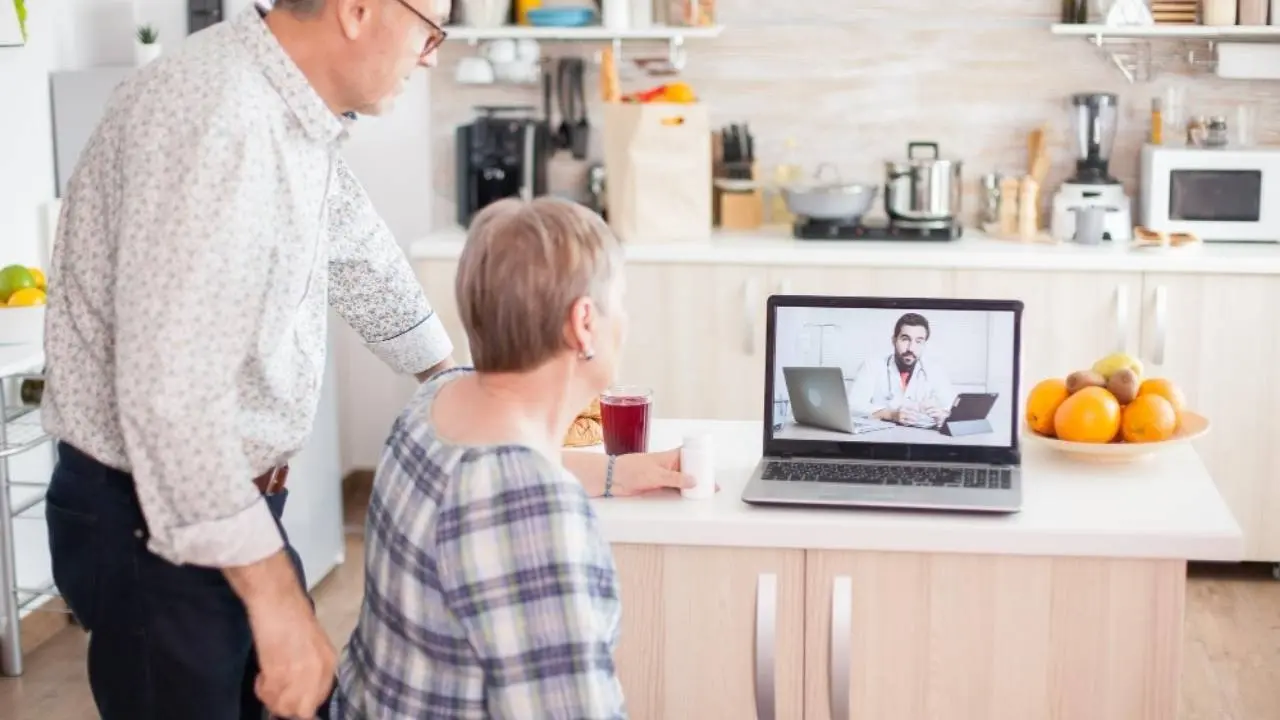
Traditionally, families relied on local friends or phone calls for reassurance. Today, though, technology allows families to monitor their parents' health remotely, offering tools that can track vital signs, alert caregivers in emergencies, and provide peace of mind from afar.
Remote health technology transforms loneliness into security.
Importance of Remote Care in Today’s World
Many seniors cherish the comfort and self-sufficiency that comes with aging at home, although they encounter new challenges as they grow older:
• Declining physical strength
• Increased risk of falls
• Slower memory function
• Difficulties managing medications
• Challenges during nighttime movements
Meanwhile, their adult children juggle demanding careers, making constant presence difficult. Remote health technologies emerge as a viable solution that helps safeguard independence while offering reassurance to families.
Effective Tools to Monitor Seniors’ Safety
Each parent has unique needs, and the following innovations simplify remote care:
1) Smartwatches — Personal Health Monitors
These wearable devices function like common watches but offer extraordinary capabilities.
They can:
• Track heart rate and blood oxygen levels
• Alert users of any anomalies
• Detect falls and notify contacts immediately
• Provide reminders for medications and meals
• Enable easy emergency calls
Even when your parent cannot access their phone, the smartwatch remains vigilant, providing protection 24/7.
2) Health Monitoring Applications — Instant Updates
These applications synchronize with devices at home, allowing caregivers to monitor:
• Quality of sleep
• Daily activity levels
• Medication schedules
• Any unexpected health changes
No need for frequent phone calls; updates come straight to your device.
3) Smart Pill Dispensers — Eliminating Medication Confusion
Seniors often find it challenging to keep track of prescriptions with varying schedules. Missing doses can lead to serious health risks.
Such devices:
• Ring alarms at proper times
• Dispense only the correct medications
• Notify caregivers if a dose was missed
A single device can avert major health complications.
4) Indoor Safety Sensors — Enhancing Home Security
Sensors installed within the home can detect:
• Smoke or fire
• Kitchen gas leaks
• Water leaks that pose slipping hazards
• Unattended doors or windows
Alerts are sent immediately to caregivers or emergency services, ensuring stability and safety.
5) Video Calling Devices — Providing Emotional Connection from Afar
There are times when parents don’t require assistance, just companionship. Smart video devices facilitate:
• Effortless voice-activated calls
• Face-to-face interactions at any time
• User-friendly features tailored for elderly users
A brief conversation can alleviate worries and reduce feelings of isolation.
Additional Technologies for Enhanced Senior Living
| Device |
Advantage |
| Smart Thermostats |
Preserve comfortable living environments |
| GPS Tracking Devices |
Assist in locating seniors with memory issues |
| Voice-Activated Assistants |
Facilitate calls and requests through voice commands |
| Digital Reminders |
Aid with scheduling meals and appointments |
Daily life becomes safer with these auxiliary supports.
Guiding Seniors in Adapting to New Technology
Many older adults fear they may struggle with gadgets. However, a bit of guidance can significantly ease their concerns.
• Provide slow, clear instructions
• Utilize larger fonts and louder volumes
• Program emergency contacts for quick dialing
• Configure devices to their preferred language
• Emphasize that technology is a supportive tool
Understanding usability paves the way for trust and reliability.
Benefits of Remote Technology for Families
• Parents maintain independence while feeling connected
• Children experience peace of mind from a distance
• Swift assistance during emergencies
• Reduced stress for everyone involved
• Early detection of health issues
Technology transforms anxiety into confidence.
Technology Cannot Substitute Personal Care
Even the most advanced devices cannot replace the value of human interaction. Emotional connection is equally vital.
Keep prioritizing these behaviors:
• Regular phone calls
• Visits whenever feasible
• Engage neighbors for additional assurance
• Organize consistent medical check-ups
While technology fosters physical health, familial support nurtures emotional well-being.
Future of Elderly Care
Anticipated advancements promise to further simplify senior living:
• Smart beds alleviating discomfort for improved rest
• Home robots aiding in everyday tasks
• Virtual consultations becoming the norm
• AI technologies predicting ailments before symptoms arise
Growing older won’t equate to dependency; rather, it will symbolize living securely with intelligent support.
Parents cared for us during our formative years; now it’s our responsibility to ensure their safety as they age. Remote health technologies empower us to provide care, regardless of distance.
It safeguards our parents.
It reassures us, their children.
It fosters family connections—always.
Good health stands as the finest gift we can return to those who have given us everything.
Disclaimer
This article serves informational purposes. Remote health devices can enhance safety but should not replace professional medical advice or emergency assistance. Every health situation is unique; families must consult healthcare providers before depending on technologies for critical care. While technology contributes to health, emotional engagement and routine communication with elderly parents are paramount.