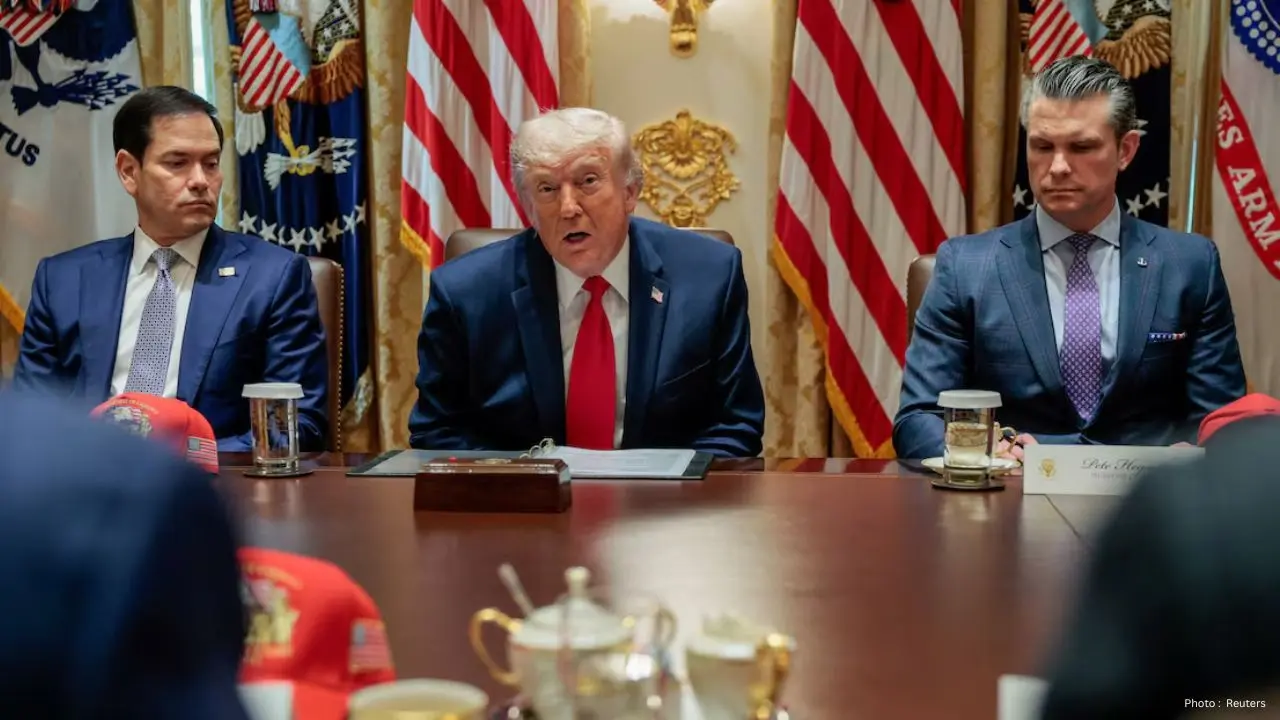
Recent reports indicate that Iran and the United States have reached a preliminary agreement to prolong an existing ceasefire, pending final approval from former U.S. President Donald Trump.
This agreement comes amid escalating concerns regarding military activities, regional security, and the safety of international oil shipping routes in the Gulf.
Diplomatic talks facilitated by third parties are ongoing, aimed at curbing military escalations and ensuring stability near the vital Strait of Hormuz, a crucial artery for global oil exports.
Negotiators are focusing on diminishing military tensions, safeguarding maritime commerce, and fostering broader diplomatic relations. The suggested ceasefire extension could mitigate immediate threats tied to regional unrest and its impact on energy markets.
Decades-long tensions between Washington and Tehran stem from disagreements over sanctions, nuclear ambitions, and military engagements, complicating international diplomacy and influencing oil prices.
The unfolding situation has captured the attention of global financial markets, as instability in the Gulf typically affects fuel pricing, transportation expenses, and international trade dynamics. Stakeholders are closely monitoring developments.
Security concerns have escalated recently due to reported military confrontations and increased naval presence around key shipping corridors. Various nations have urged both parties to avoid measures that could exacerbate the regional volatility.
The proposed extension of the ceasefire might temporarily ease market anxieties regarding disruptions in crude oil availability. Nations that rely on energy imports are particularly alert to changes, as rising oil prices can directly impact inflation and economic performance.
International mediation has been vital in keeping communication lines open between the two governments. Analysts emphasize the importance of ongoing dialogue to prevent inadvertent escalations and promote sustainable stability.
Simultaneously, experts caution that significant political tensions and strategic disagreements between Iran and the U.S. are far from resolved. While a temporary ceasefire might alleviate immediate military risks, underlying tensions related to sanctions and nuclear discussions continue to challenge relations.
The Strait of Hormuz is pivotal for global energy security, with a significant portion of international oil trade traversing this narrow corridor. Any disturbances in the region could swiftly impact fuel costs and global economic confidence.
Regional authorities are paying close attention, as Gulf stability influences trade, investment, tourism, and shipping throughout the Middle East.
Military experts suggest that ceasefire agreements can create opportunities for diplomatic dialogue, yet long-term peace necessitates ongoing communication and mutual understanding between the parties involved.
Global markets have responded with caution to the news of a potential agreement, with investors anticipating that decreased military activity could stabilize energy prices and mitigate geopolitical risks in the area.
This possible extension underscores the escalating importance of diplomacy in averting broader conflicts near critical shipping routes. Global powers continue to advocate for peaceful dialogue rather than military showdowns.
The focus now shifts to the final political approval and how both sides navigate future negotiations, with international observers alert to the pivotal weeks ahead in shaping Gulf security and wider regional stability.
While the ceasefire extension may not settle all disputes between Iran and the United States, it could help alleviate immediate military tensions and foster conditions aimed at preventing a larger regional crisis.