Photo : X / @OKCFOX
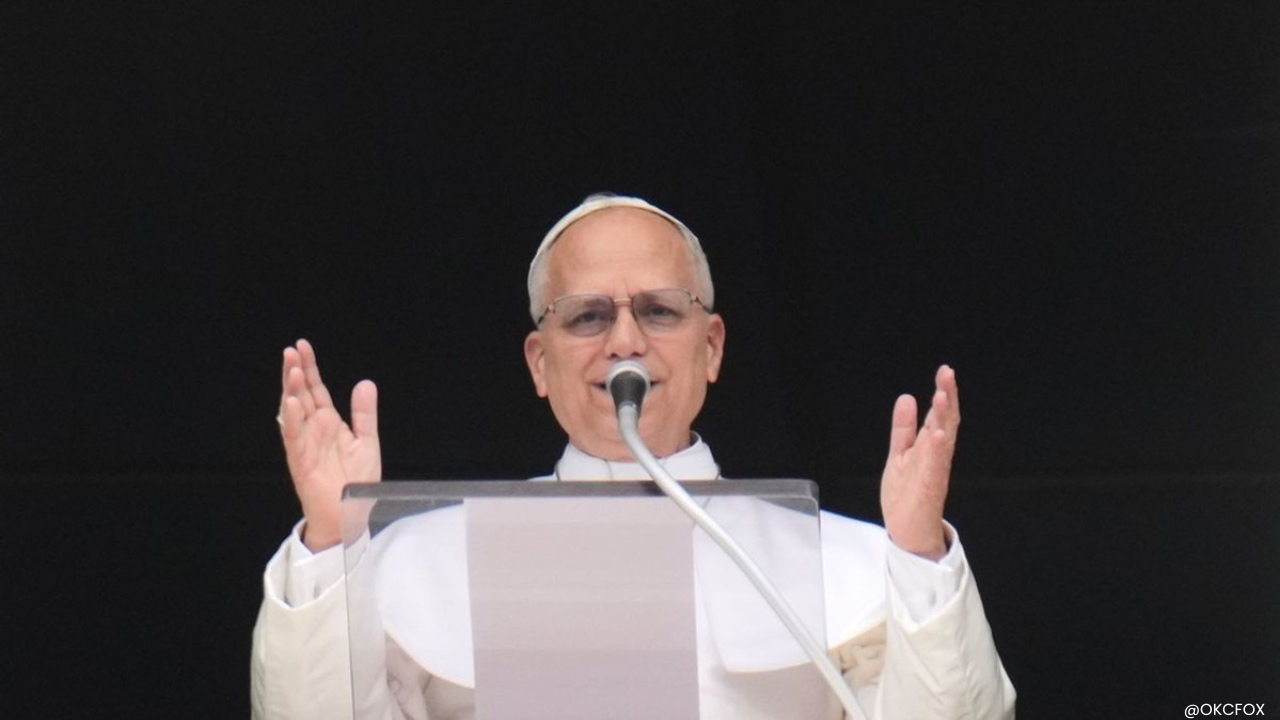
The geopolitical landscape is shifting dramatically as tensions escalate between Pope Leo XIV and former President Donald Trump regarding the Iran war. This rare ideological confrontation pits spiritual leadership against political authority and has ignited a global dialogue about morality in warfare. Initially a disagreement over military tactics, this clash has morphed into a broader discussion on diplomacy and conflict resolution in a time marked by economic challenges and disrupted global trade.
The backdrop of this conflict is the ongoing Iran war, which is already contributing to significant geopolitical chaos and affecting vital global trade routes. The strategically crucial Strait of Hormuz, a major shipping corridor, has found itself at the center of increased military activity, raising alarms for industries dependent on stable logistics and energy supplies.
This war has experienced cycles of ceasefires and renewed threats, bringing turmoil not only to oil prices but also fostering instability in transportation and infrastructure sectors worldwide. Industries reliant on constant global movement, from aviation to maritime logistics, are feeling the direct impact, highlighting the intricate ties between geopolitics and economic sustainability.
At the core of the dispute is Pope Leo's firm stance against conflict, continually advocating for dialogue over warfare. The pontiff has condemned what he sees as the 'madness of war' while urging global leaders to prioritize diplomatic solutions and humanitarian needs over military actions.
His criticisms are not mere rhetorical flourishes; rather, they present a direct challenge to the rhetoric that could drive mass destruction and civilian suffering. By emphasizing the moral obligations of leaders, Pope Leo aims to position the Vatican as a steadfast advocate for peace, especially in turbulent times.
Conversely, Trump's approach leans towards a more aggressive stance against Iran, which he argues is essential for addressing nuclear threats and enhancing global security. His open criticisms of the Pope’s effectiveness in international matters have escalated what began as a policy dispute into a highly publicized international conflict.
Trump’s doctrine prioritizes assertiveness and deterrence, especially in regions of strategic importance linked to energy security and military influence. Yet, this approach has faced backlash, with critics arguing it risks deepening tensions and jeopardizing diplomatic efforts at a time when global cooperation is essential.
The consequences of this clash extend far beyond political fallout, directly impacting global transport and industry trends. Instability in the Middle East has begun affecting aviation schedules, fuel pricing, and shipping routes—crucial components in today’s interconnected economies.
For the transportation industry highlighted by Armust’s coverage, the implications are severe. Disruptions in maritime routes lead to delays in supply chains, raised operational costs, and changes in global trade dynamics. This situation underscores how geopolitical choices are no longer isolated incidents but pivotal factors influencing infrastructure, logistics, and mobility worldwide.
The ongoing conflict in Iran serves as a critical juncture in the ongoing rivalry between Pope Leo and Donald Trump. It exemplifies a significant moment in how the 21st century addresses warfare—balancing calls for restraint and humanitarian dialogue against strategies rooted in military force.
This ideological schism may shape not just the path of the current crisis but also the framework of future global diplomacy and alliances. Navigating a world increasingly shaped by geopolitical tensions will be the challenge for governments and industries alike.