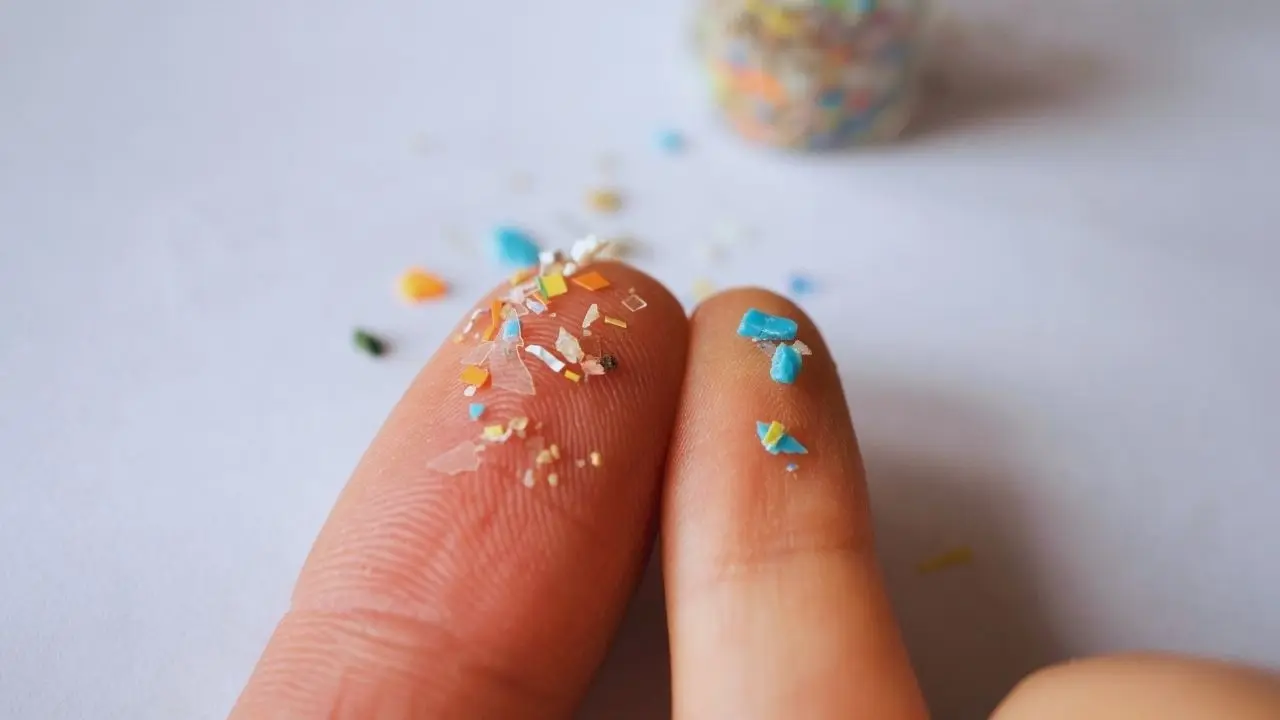
A Marvel of Modern Material, Now a Menace
Once hailed as a revolutionary material, plastic revolutionized daily life with its affordability and versatility. However, its ubiquity has shifted from convenience to concern.
Plastics have infiltrated more than just our homes; they have permeated our environments—soil, oceans, and even our bodies. Once a marvel, plastic is now discovered in our bloodstream and organs, highlighting an alarming trend in human health.
This is the stark reality we face today: plastic has become an invisible threat, silently invading our most vital systems.
Understanding the Biological Impact of Plastics
The reality is unsettling—plastic was never intended to enter our bodies. Sadly, it finds a way through ingestion, inhalation, or absorption. Once it enters, our bodies lack the means to eliminate it, leading to a troubling accumulation.
As tiny plastic particles mimic foreign substances, our immune systems fight back. Unfortunately, this leads to chronic internal exposure.
Initiation of inflammation
Conveying toxic chemicals
Endocrine disruption
Stress to critical organs
Long-term health consequences
Plastic doesn't act with immediacy. Instead, it lingers and deteriorates our well-being slowly over time.
Microplastics: A More Serious Concern
Plastic doesn't disappear; it reduces into smaller fractions known as microplastics and nanoplastics, which enter our bloodstream and organs undetected.
These particles behave more like toxic agents than waste, infiltrating our biological barriers and affecting both our health and future generations.
Contact Points: Plastic's Pathways
Via Food and Drink
Food packaged in plastic often leaks microscopic fragments into our meals, resulting in consumption that we don’t even recognize.
The danger escalates with heat that catalyzes chemical migration from plastic to food.
Through Airborne Particles
Indoor air is a cocktail of plastic fibers from everyday items like furniture and clothing. Outside, industrial pollution mingles with debris, increasing our exposure.
Through Skin Absorption
Many cosmetic and hygiene products contain microplastics, which steadily infiltrate through skin absorption.
The Toll on Our Body
In our bloodstream, plastic particles evoke consistent immune reactions, leading to chronic inflammation and weakened immune function—affecting numerous bodily systems.
Leading Towards Endocrine Disruption
Plastics can leach harmful chemicals that disrupt natural hormonal balances, impacting growth, metabolism, and overall hormonal health.
Children: The Most Vulnerable
Kids are particularly susceptible to the effects of plastics, facing threats ranging from hormonal disturbances to potential learning disorders.
Emergency Action Required
To mitigate exposure, we must change our habits:
Opt for glass or metal over plastic
Reduce reliance on packaged foods
Stay informed about sources of microplastics
Plastic has integrated itself into our lives and environments. It is crucial to acknowledge that the fight against plastic is not just environmental—it's a public health imperative.
This is more than a personal choice; it’s a collective requirement for the well-being of our future.
Disclaimer:
This article serves as an informational tool and should not be construed as medical advice. For health-related concerns, seek guidance from certified healthcare professionals.