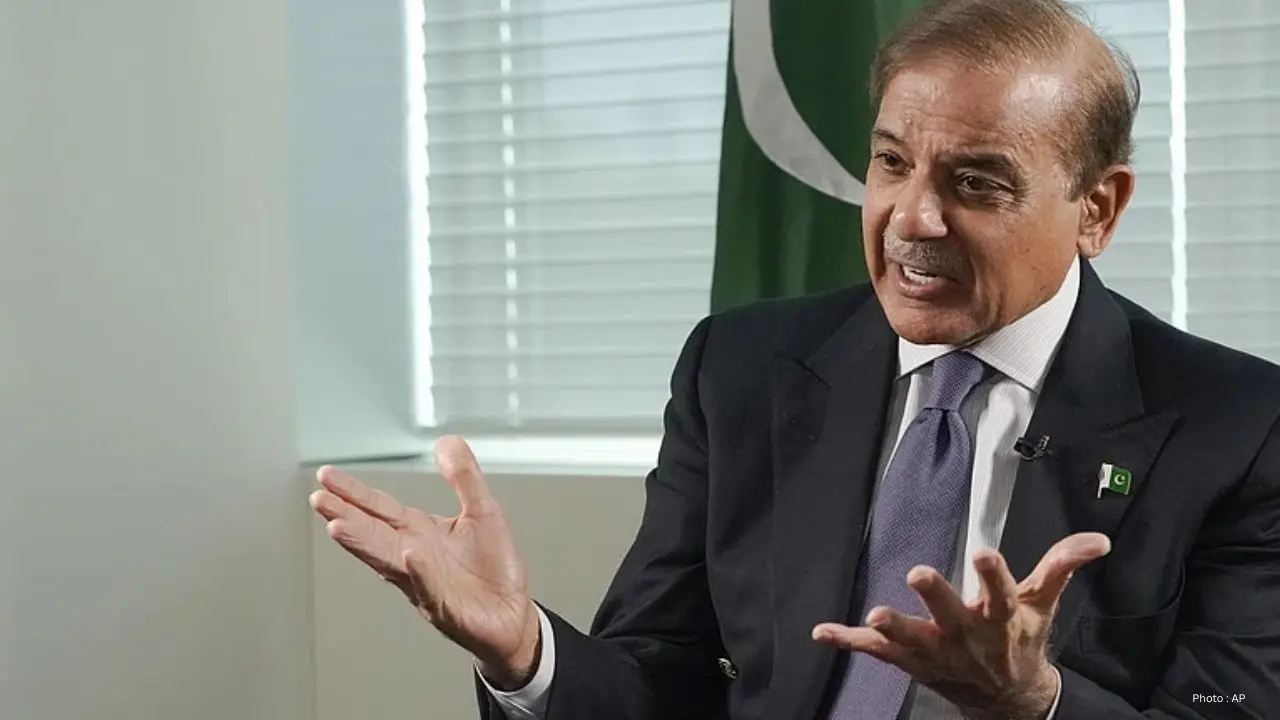
Shehbaz Sharif has announced the extension of Pakistan’s austerity measures as the country faces growing economic pressure and uncertainty linked to tensions in West Asia. The decision comes as the government continues efforts to stabilize the national economy, reduce public spending, and manage rising financial challenges affecting both regional and global markets.
According to government officials, the austerity drive will continue across several departments and public institutions. The measures include restrictions on unnecessary government spending, reductions in luxury expenses, limits on foreign travel by officials, and tighter controls on the use of public resources. Authorities said the goal is to protect Pakistan’s economy during a period of international uncertainty and rising financial risks.
Prime Minister Sharif stated that regional instability in West Asia has increased pressure on fuel prices, trade activity, and investment markets. Pakistan, which depends heavily on imported energy resources, remains vulnerable to sudden increases in oil and gas prices caused by geopolitical tensions. Officials warned that continuing instability in the region could affect inflation, foreign exchange reserves, and overall economic growth in the coming months.
The government said the extended austerity measures are part of broader economic reforms aimed at improving fiscal discipline and rebuilding investor confidence. Pakistan has faced serious economic difficulties in recent years, including high inflation, currency depreciation, rising debt levels, and pressure from international lenders. The administration believes controlling government expenses is necessary to avoid deeper financial problems.
Economic experts say the latest decision reflects concerns about the global economic environment and uncertainty surrounding conflicts and political tensions in West Asia. International energy markets have remained unstable, with fears that regional conflicts could disrupt oil supply routes and increase transportation costs worldwide. Such developments could create additional pressure on countries already dealing with fragile economic conditions.
The austerity campaign also includes efforts to reduce electricity consumption in government offices, limit official ceremonies, and delay non-essential development projects. Government departments have reportedly been instructed to focus spending only on critical sectors such as healthcare, education, energy, and national security. Officials argue that these temporary sacrifices are necessary to maintain long-term economic stability.
Supporters of the policy say fiscal discipline is important for improving Pakistan’s financial position and meeting commitments linked to international economic support programs. Critics, however, argue that austerity measures may place additional pressure on ordinary citizens already struggling with rising prices and unemployment. Opposition leaders have also called for stronger economic reforms focused on investment and job creation rather than spending cuts alone.
The Prime Minister assured citizens that the government remains committed to protecting vulnerable communities while continuing economic recovery efforts. He said Pakistan would closely monitor developments in West Asia and take further steps if global conditions worsen. Authorities are expected to continue reviewing the situation as regional tensions and international market uncertainty remain high