Global oil prices remained mostly stable as investors closely monitored rising tensions around the Strait of Hormuz following U.S. President Donald Trump’s new shipping protection plan and reports of another tanker attack near one of the world’s busiest energy trade routes. Traders remained cautious as concerns over Middle East security continued to influence global energy markets.
Brent crude and West Texas Intermediate (WTI) oil futures traded with limited movement during early market activity on May 4 as investors reacted to both diplomatic developments and security risks in the Gulf region. Analysts said oil prices were supported by fears of supply disruptions but were also limited by uncertainty over whether tensions would lead to a wider military conflict.
The Strait of Hormuz remains one of the most important maritime chokepoints in the world because nearly one-fifth of global oil shipments pass through the narrow waterway every day. Any threat to shipping activity in the area can quickly affect oil prices, shipping costs, and energy supplies worldwide.
Market attention increased after President Trump announced a new operation aimed at helping commercial vessels move safely through the Strait of Hormuz. Trump described the mission as a humanitarian and security effort designed to assist countries whose cargo ships remain stranded because of regional instability and military threats.
According to reports, the United States plans to use naval destroyers, surveillance aircraft, and military escorts to guide ships through high-risk waters near Iran. The operation is expected to involve coordination between the U.S. Navy, regional allies, and international shipping organizations.
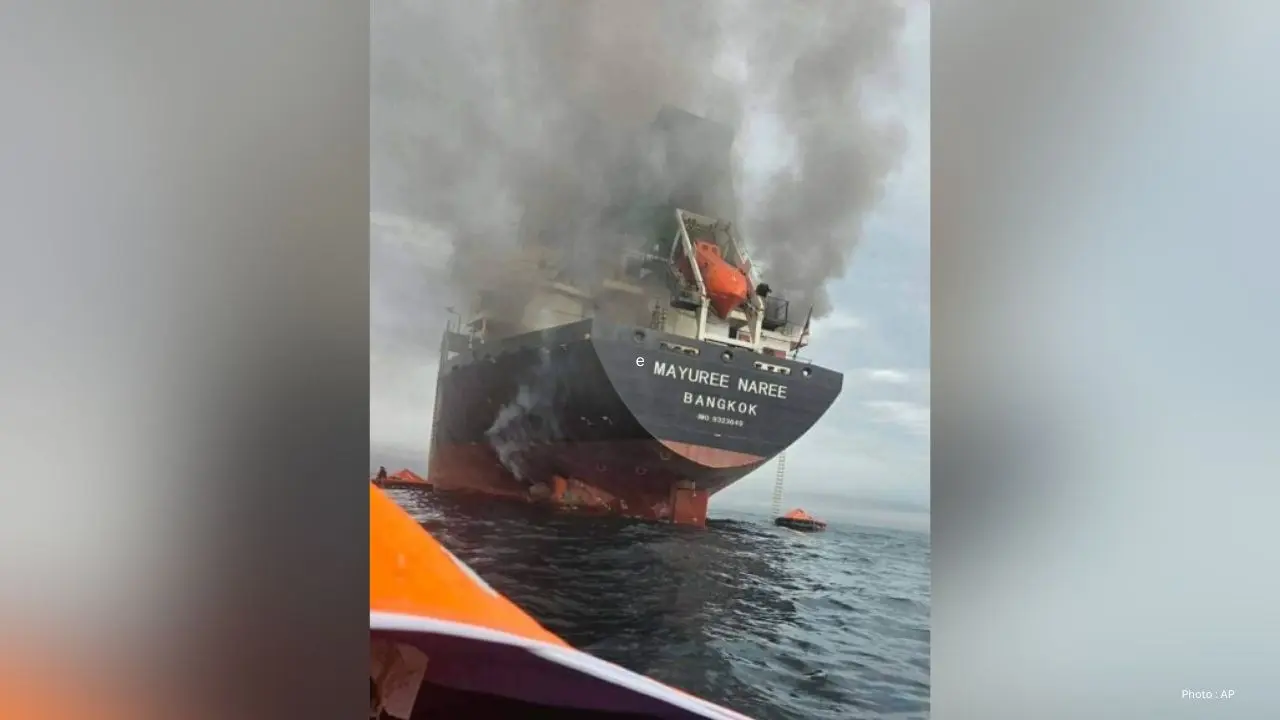
At the same time, maritime security concerns grew after a cargo vessel near the Strait of Hormuz reported being hit by unknown projectiles. The United Kingdom Maritime Trade Operations (UKMTO) agency confirmed the incident and warned ships operating in the area to remain highly alert because of possible attacks, floating explosives, and military activity.
Although no group immediately claimed responsibility for the tanker attack, security analysts believe the incident highlights how fragile the situation remains despite ongoing diplomatic discussions between Washington and Tehran. Several commercial vessels have already faced delays or route changes because of safety concerns in Gulf waters.
The latest developments come while the United States reviews a new Iranian peace proposal aimed at reducing military tensions in the Gulf. Iran has reportedly suggested a phased de-escalation plan involving sanctions relief, reduced naval pressure, and broader diplomatic negotiations. However, President Trump recently indicated that he remains skeptical about Tehran’s proposal.
Energy experts say oil markets are currently balancing two major risks — the possibility of military escalation and the hope that diplomacy could eventually stabilize the region. If tensions continue to rise near the Strait of Hormuz, analysts warn that oil prices could increase sharply because of fears over disrupted global supplies.
Shipping companies and insurers are also closely watching the situation because attacks on tankers or disruptions in Gulf trade routes could raise transportation costs across global markets. Some companies have already increased security measures or adjusted shipping schedules while operating near Iranian waters.
Financial analysts believe markets may remain volatile in the coming days as investors wait for clearer signals from both Washington and Tehran. Any new military incident, shipping disruption, or diplomatic breakthrough could quickly affect oil prices and global economic confidence.