Global oil markets showed unstable movement on Monday after Donald Trump issued a strong warning to Iran, demanding that it allow ships to pass through the critical Strait of Hormuz or face possible military action. The situation has increased tensions in the region and raised concerns about global energy supplies.
Oil prices initially rose sharply during early trading in Asia. Brent crude crossed the $110 per barrel mark before reducing some of its gains later in the day. The price movement remained uncertain as reports emerged about possible discussions between the United States and Iran over a temporary ceasefire. Market experts say this uncertainty reflects the high level of risk in the region and the importance of stable oil supply routes.
The Strait of Hormuz is one of the world’s most important shipping routes for oil and gas. Nearly one-fifth of global energy supplies pass through this narrow waterway. Any disruption in this route can quickly affect global oil prices and increase inflation in many countries. Recent threats by Iran to target ships in the region have already caused delays and disruptions in shipments from the Middle East.
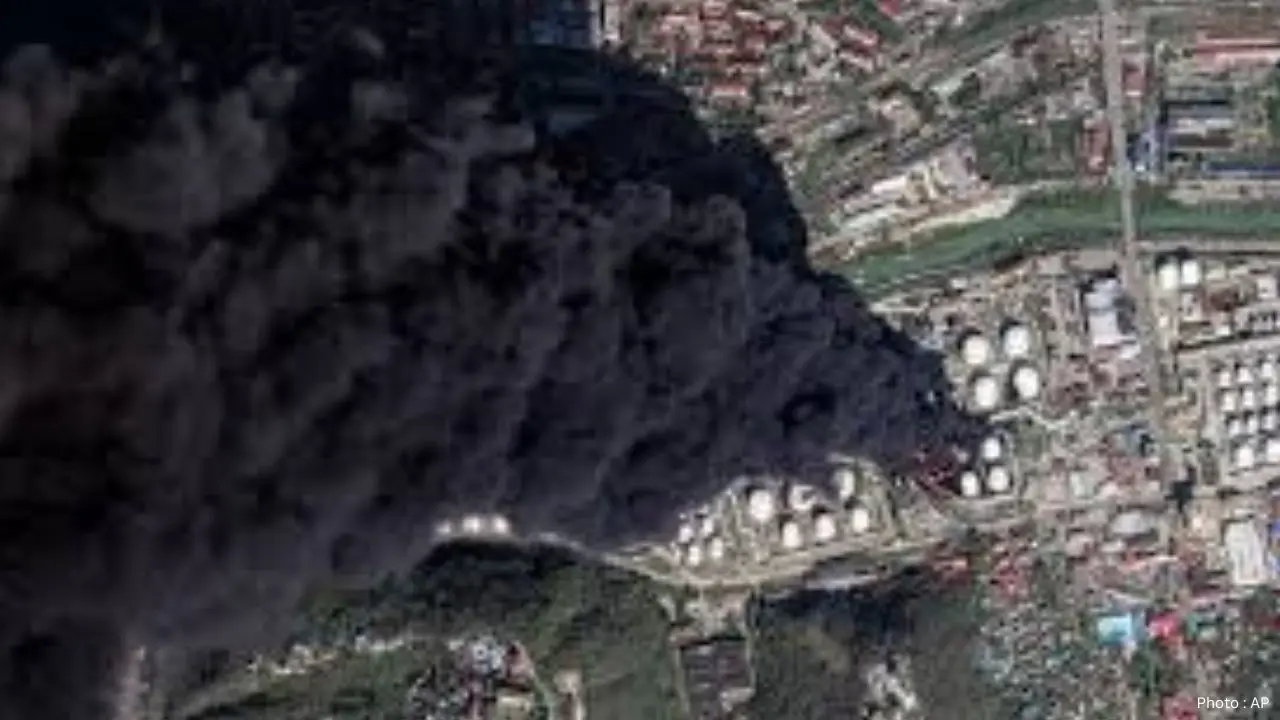
The current tensions come after weeks of conflict involving US and Israeli airstrikes targeting Iranian-linked facilities since late February. In response, Iran has reportedly carried out attacks on oil and petrochemical sites in Gulf countries, including Kuwait, Bahrain, and the United Arab Emirates. These actions have further increased fears of a wider regional conflict that could impact global markets.
Adding to the uncertainty, a report suggested that the US, Iran, and regional mediators are discussing a possible 45-day ceasefire agreement. While this has not been officially confirmed, such a deal could help reduce tensions and stabilize oil prices if successful. However, no immediate response has been given by US officials regarding these discussions.
Meanwhile, the Organization of the Petroleum Exporting Countries and its allies, known as OPEC+, announced a small increase in oil production for May. The group plans to raise output by about 206,000 barrels per day. However, analysts believe that this increase may have limited impact, as several member countries are currently unable to boost production due to ongoing regional conflicts.
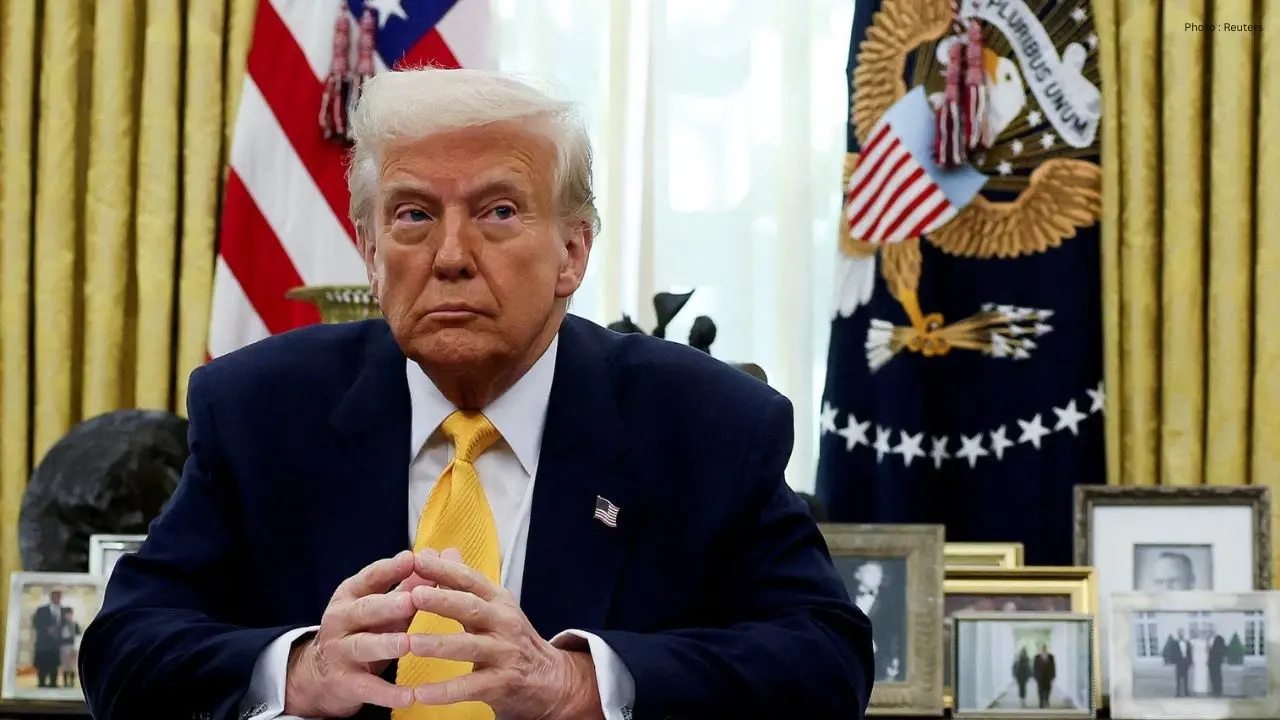
The situation intensified after Trump made a strongly worded statement on social media, warning Iran of severe consequences if the Strait is not reopened. He also indicated that military options were being considered if a resolution is not reached soon. In response, Iranian officials rejected the warning, with senior military leaders issuing their own strong statements and warning of further escalation if attacks on their infrastructure continue.
Experts warn that continued tensions in the region could lead to higher energy costs worldwide. Rising oil prices often affect transportation, manufacturing, and daily consumer goods, which can increase inflation globally. As a result, governments and markets are closely monitoring the situation for any signs of escalation or diplomatic progress.
For now, oil markets remain highly sensitive to developments in the region. Any positive news regarding negotiations could bring some stability, while further conflict may push prices even higher in the coming days.