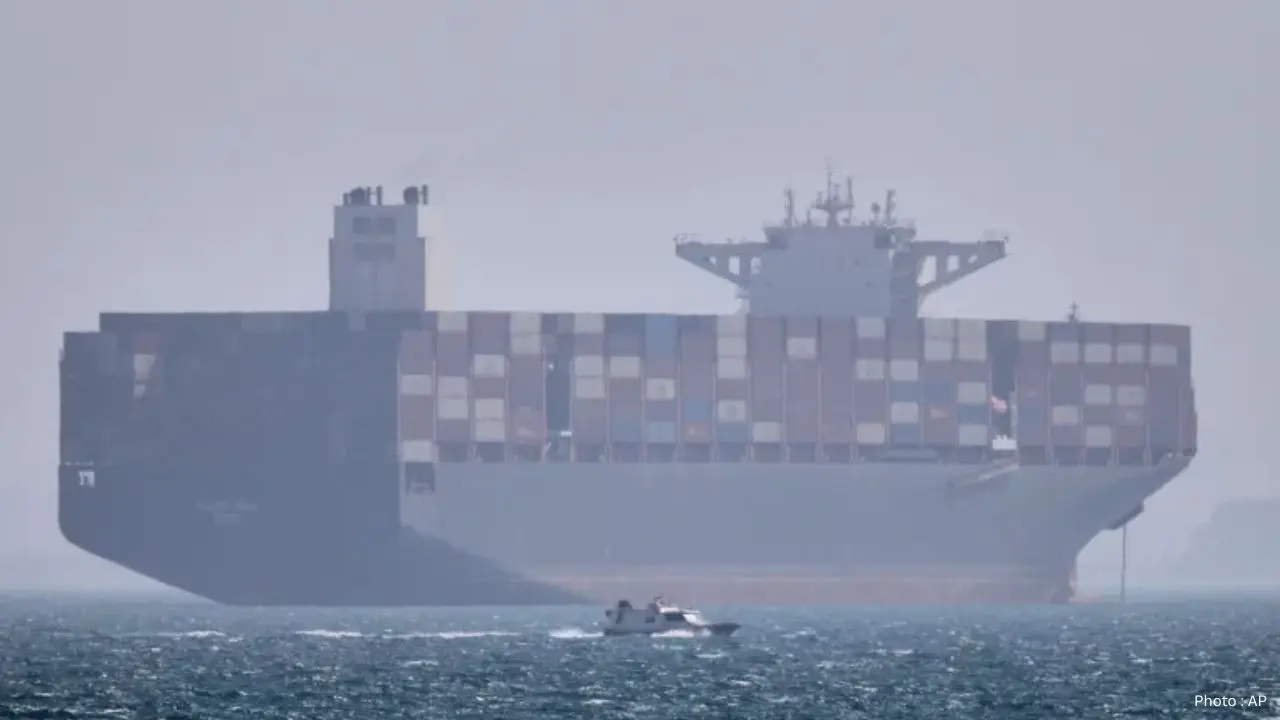
Recent unrest in the Strait of Hormuz, a critical corridor for oil transport, has led to a notable surge in oil prices globally. The ongoing violence and military escalations in this narrow passage, vital for transporting substantial volumes of crude oil, have generated widespread concerns in financial markets.
The Strait is a pivotal route where a significant portion of the world’s petroleum is shipped daily. Any disruptions here can have immediate repercussions on the global oil supply chain. Escalating conflicts, including hostile actions against vessels, have intensified the instability threatening oil transit.
In light of these developments, international oil prices have sharply escalated, prompting swift responses from traders who worry about potential shortages. When supply faces jeopardy, price increases typically follow, reflecting the current market behavior. Discussions around straining oil prices in 2026 and tensions in the Strait of Hormuz are dominating conversations globally.
The implications of rising oil prices resonate deeply, as soaring fuel costs amplify transportation expenses, leading to increased prices for various goods and services. This scenario can trigger inflationary pressures, particularly affecting nations reliant on oil imports.
Furthermore, this situation underscores the global market's vulnerability to geopolitical disturbances. Minor conflicts in key regions can result in significant price fluctuations on an international scale, emphasizing the need for stability in the Middle East, which is critical not only for local nations but for the global economy.
The enduring nature of this crisis raises questions about the potential long-term disruptions to oil supply. If the situation deteriorates further, it could precipitate even steeper price hikes, creating economic challenges for numerous countries.
Efforts to safeguard shipping lanes and mitigate risks in the region are underway, yet uncertainty looms large as markets respond to ongoing updates. Investors and policymakers are diligently observing developments, gauging their implications for worldwide energy supplies.
This crisis simultaneously highlights the urgency of energy diversification. Countries are increasingly prioritizing alternative energy sources to curb reliance on oil. The focus on renewable energy and local production is becoming essential in securing energy independence.
On the diplomatic front, endeavors to de-escalate tensions and ensure the safe navigation of the Strait of Hormuz remain crucial. Regional peace and collaboration are vital for stabilizing oil prices and supporting global market equilibrium.
The current rise in oil prices, driven by tensions in the Strait of Hormuz, serves as a poignant reminder of the intricate connections within the global economy. Events in one area can swiftly influence countries worldwide, making it imperative to approach conflict resolution thoughtfully and maintain robust energy supply systems.