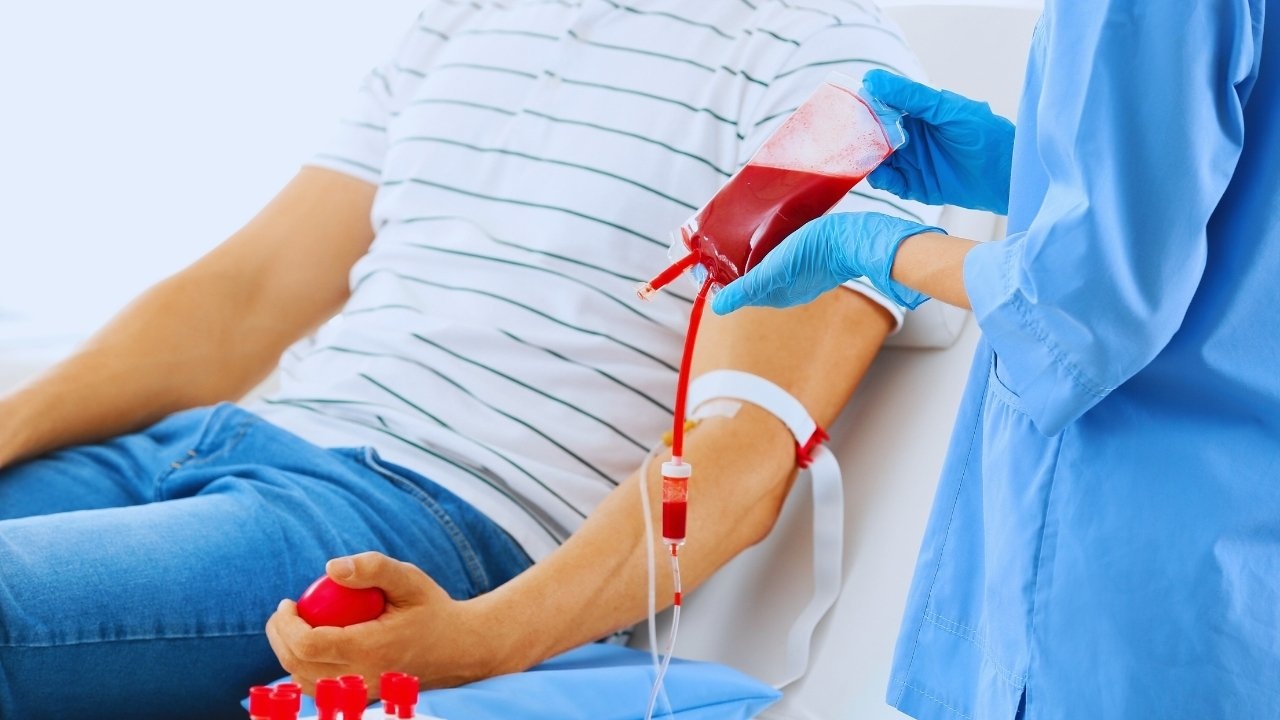
A series of global blood donation initiatives kicked off this week, sparking renewed discussions around community responsibility, health literacy, and the power of public involvement in health systems. Countries from Asia to Europe, Africa to the Americas, have launched synchronized campaigns urging individuals, workplaces, and local organizations to contribute blood amid surging demand and seasonal shortages. What makes these campaigns distinctive is not just their worldwide reach but how they are revolutionizing community interactions with health services.
In several regions, blood donation is often clouded by misconceptions. However, the campaigns this week leveraged storytelling and real patient testimonies to resonate deeply with potential donors of all ages. Social media is buzzing with accounts from first-time donors, workplaces encouraging team donation events, schools hosting awareness activities, and local governments highlighting the importance of habitual blood donation for public health.
Blood donation has always been crucial, but these recent campaigns portray it as an emblem of community unity rather than merely a medical duty. This evolution reflects a broader change in the perception of health participation as a communal responsibility, rather than a solitary concern that strengthens neighborhoods.
This comprehensive article explores the significance of this week's initiatives, how participation dynamics are evolving, and the implications for future community health engagement globally.
What Makes This Week’s Campaigns Unique
Though blood donation events are regular occurrences, the initiatives launched this week are noteworthy for several reasons.
Coordinated Global Effort
Countries united in simultaneous drives instilled a shared sense of urgency and solidarity. A united front amplifies the campaign message.
Human-Centric Messaging
The initiatives utilized relatable narratives instead of technical jargon, focusing on real patients whose lives were saved thanks to generous donors.
Engagement with the Youth
Schools and universities played a vital role in the initiatives, engaging younger audiences and normalizing blood donation from an early age.
Enhanced Visibility
For the first time, rural communities received significant attention, with mobile units ensuring access for populations who previously faced barriers.
Addressing Misunderstandings
The campaigns clarified common doubts regarding safety, eligibility, and misconceptions about health risks.
These differentiators fostered a welcoming environment, drawing in individuals who might not have otherwise considered donating.
The Critical Need: Why Blood Donation is Imperative Now
Ongoing blood shortages challenge healthcare systems globally, particularly during seasonal lulls or in regions with limited donor availability.
Increasing Medical Needs
Modern medical treatments, emergency interventions, childbirth complications, and chronic condition management all depend on a steady blood supply. As healthcare becomes more accessible, so does demand.
Emergency Care Requirements
Traffic accidents remain a leading cause of emergency transfusions, particularly in high-density traffic areas.
Aging Demographics
Older populations require more healthcare interventions, resulting in increased demand for blood products like platelets and plasma.
Surgical Innovations
Advancements in surgery, from transplants to cancer care, necessitate reliable blood supplies.
Seasonal Changes
Factors such as weather adjustments, student exams, and flu seasons impact donor turnout, leading to persistent shortages.
This week's initiatives stressed that blood donation is a communal requirement, not a seasonal event.
Transforming Community Participation
Shifting from Obligation to Collective Action
Campaigns presented donation not merely as a responsibility but as a joint act of solidarity, reshaping public perception.
Encouragement Through Workplace Initiatives
Employers facilitated colleague donations by providing transport and permitting time off, fostering a supportive atmosphere for new donors.
Family-Centric Donation Drives
Families attended donation centers together, turning donations into collective values instead of solitary tasks.
Community Leaders as Role Models
Local influencers, activists, and leaders publicly participated in donations, helping to destigmatize the act.
Localized Donation Points
In certain neighborhoods, communities organized localized donation stations, promoting grassroots involvement.
Increase in Repeat Donors
Many first-time donors are now committing to future donations, indicating a shift toward sustained engagement.
This week marked a cultural milestone in public health involvement.
Digital Media: A Key Driver of Increased Participation
The campaigns effectively utilized digital platforms to reach audiences.
Powerful Personal Stories
Videos featuring individuals whose lives were saved through blood transfusions provided emotional contexts, turning abstract needs into tangible outcomes.
Informative Clips
Brief videos simplified the donation process, explaining safety, eligibility, and recovery.
Real-World Testimonials
Individuals shared their motivations for donating, inspiring others to participate.
Social Media Recognition
Badges celebrating “I Donated Today” encouraged sharing, amplifying campaign visibility.
Live Streaming of Drives
Live coverage of donation events built trust and strengthened community engagement.
These tactics successfully translated awareness into action.
New Trends in Donor Demographics
Engagement Among Younger Generations
The involvement of youth surged thanks to relatable content and campus campaigns.
First-Time Donors
This week saw a remarkable rise in first-time givers due to improved transparency and diminished fears.
Increased Participation from Women
More women took part than in previous years, encouraged by outreach tailored to address myths surrounding iron health.
Corporate Sector Engagement
Workplace campaigns integrated busy professionals into the community of donors.
Higher Participation from Rural Areas
Mobile donation units reached into the depths of rural regions, leading to increased participation.
Collectively, these factors contributed to one of the most impactful global blood donation movements recently.
Effects on Community Health Systems
Enhanced Emergency Preparedness
Increased donation volumes are replenishing supplies, ensuring that hospitals can react effectively in crises.
Strengthened Public Confidence
Transparent communication during the campaigns built credibility in health institutions.
Elevated Public Health Awareness
Communities now better grasp blood types, donation intervals, and the impact on survival rates.
Promotion of Preventive Health
Donors received health checks at the camps, enabling early detection of potential health issues.
Development of Volunteer Networks
These campaigns established databases for committed repeat donors and volunteer organizers.
The impacts on the health system reach far beyond the events of this week.
Blood Donation as a Community Ritual
In many locations, blood donation is evolving into a communal, ritualistic event.
Regular Donation Events
Communities are organizing consistent donation events instead of waiting for urgent needs.
Social and Wellness Activities
Donation drives now feature music, refreshments, and health events to create inviting environments.
Community Pride
Cities are celebrating donation milestones, fostering friendly competition.
Symbolic Significance
People are marking special life events through donations, reinforcing community bonds.
Dispelling Myths and Misconceptions
Despite increased participation, certain myths persist.
Myth: Donation Weakens the Body
Reality: Healthy individuals typically recover quickly.
Myth: Unsafe or Unhygienic
Reality: Standard practices ensure high safety levels with sterile equipment.
Myth: Minor Health Issues Disqualify Donors
Reality: Many lifestyle conditions do not restrict donation eligibility.
Myth: Only Rarer Blood Types Are Important
Reality: All blood types are crucial, especially O and A.
These campaigns are pivotal in rectifying these misunderstandings.
Role of Healthcare Professionals
Welcoming Staff Interaction
Healthcare professionals guided donors, alleviating anxiety along the way.
On-Site Health Assessments
Brief screenings ensured safety for all donors.
Efficient Collection Processes
Organized procedures enhanced the donor experience, making them feel valued.
Recognition Initiatives
Thank-you gestures like cards and tokens uplifted donor spirit.
Healthcare workers formed the backbone of this movement.
Cultural Changes from Recent Campaigns
Normalization of Health Participation
Individuals are starting to regard health involvement as a community standard rather than a rare responsibility.
Youth Engagement as a Foundation
Experiences for young donors today are likely shaping future behaviors.
Emerging Public Health Networks
Volunteer groups formed during this time will persist in promoting awareness and engagement.
Global Connection
Worldwide participation nurtured a collective alignment towards shared responsibility.
These transformations hold promising potential for reshaping public health culture into the future.
Outstanding Challenges
Inconsistent Donor Participation
Many individuals donate infrequently; consistent involvement is vital.
Accessibility Challenges in Rural Areas
Mobile units must continue to serve remote communities effectively.
Education on Blood Donations
Understanding the importance of platelet and plasma donations requires heightened awareness.
Clarification on Health Guidelines
Communication must become clearer regarding eligibility for borderline cases.
Ongoing efforts to refine messaging and increase accessibility are crucial.
Final Thoughts
This week's global blood donation initiatives have achieved much more than temporary spikes in donor numbers. They are transforming societal views on public health participation, redefining blood donation as an emblem of community bonding, empowering newcomers, enhancing trust in healthcare systems, and fostering a culture that surpasses individual needs.
As the world grapples with rising healthcare demands, fluctuating blood supply, and uncertain emergencies, these campaigns provide a clear model for rallying public involvement effectively. If this momentum continues, blood donation could emerge as one of the most celebrated and cohesive habits in community health—an uncomplicated action yielding profound effects on survival, resilience, and collective welfare.
Disclaimer:
This article serves informational purposes only and does not dispense medical advice. Blood donation eligibility varies by region and individual health. Readers should refer to local guidelines or consult healthcare professionals before donating.