Photo:Reuters
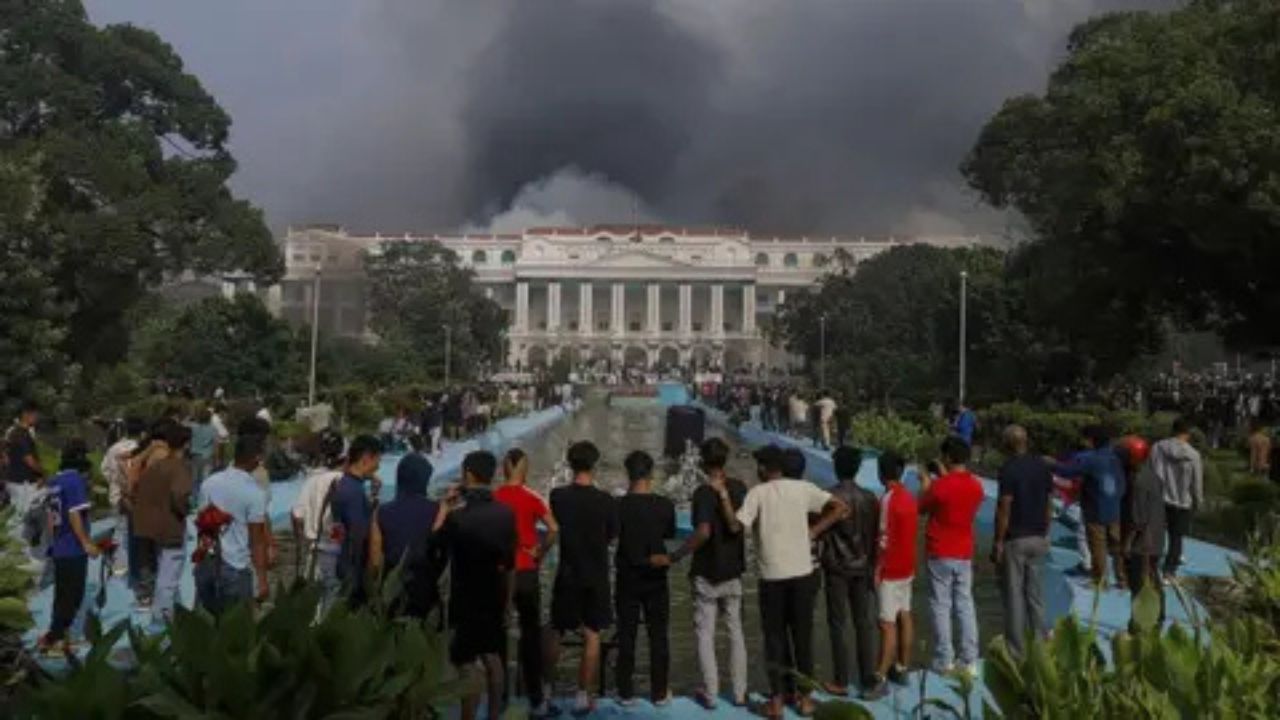
Nepal is facing its worst political unrest in decades. The country has seen violent protests, curfews, and government buildings set on fire. Thirty people died in clashes after the government briefly banned social media, causing widespread anger, especially among young people. The Prime Minister, KP Sharma Oli, resigned amid the crisis, leaving Nepal without a government.
This unrest has forced many Nepali migrant workers in India to return home. Cities across northern India, such as Lucknow, have bus stands crowded with anxious faces of people hurrying back to Nepal. For these migrants, the journey is about more than money. It is about family, safety, and uncertainty about the future.
Who Are Nepali Migrants in India?
Nepali migrants in India generally fall into three groups:
Seasonal Workers: These migrants leave their families in Nepal to work in India as domestic helpers, construction workers, security guards, or in low-paying jobs. They do not have official Indian identification and often lack access to basic services.
Family Migrants: Some Nepali families settle in India, obtain identity cards, and build lives there while retaining Nepali citizenship. They may return to vote or stay in touch with political developments at home.
Indian Citizens of Nepali Descent: These are families who moved to India generations ago but maintain cultural ties with Nepal.
Nepal also has many students in India, with more than 13,000 currently enrolled in schools and universities. Many others travel to India for healthcare, trade, or family visits, taking advantage of the open 1,750 km border between the countries.
Economic Importance of Migrants
Nepal relies heavily on remittances from migrants. In 2024, remittances contributed 27–30% of Nepal’s GDP, supporting over 70% of households. India provides about one-fifth of these remittances. For many poor households, money sent home from India is crucial for survival.
Despite their economic importance, Nepali migrants often live in tough conditions. Studies have found them living in small, shared rooms with poor sanitation. Many face discrimination at work and have limited access to healthcare. For example, migrant workers in Maharashtra and Delhi often work just to survive, with little chance of improving their standard of living.
Stories from the Migrants
Take Dhanraj Kathayat, a Nepali security guard in Mumbai. He came to India in 1988 seeking work. Over the years, he moved through several cities before settling in Mumbai. He earns enough to support his family in Nepal but has little opportunity to improve his own life. His story reflects the struggle of many migrants who live in India year after year while sending money home.
Meanwhile, students like Anant Mahto and Tekraj Koirala remain hopeful about the future. They follow political developments in Nepal closely and want to see a stable government emerge. Many say they would join protests if they were in Nepal but are careful to avoid destructive actions.
Impact of the Crisis
The political crisis in Nepal is pushing more young people into India’s informal labour market. This market offers work but little protection, making life difficult for migrants. Analysts believe that if instability continues, more Nepalis will leave for India in search of safety and jobs.
The open border between India and Nepal makes migration easy, but migrants remain tied to the politics of their home country. They balance survival in India with concern for family and political developments in Nepal.
Nepal’s recent unrest has caused fear and uncertainty among its citizens, especially those living abroad. Nepali migrant workers in India face a difficult choice between safety, family, and livelihood. Their contributions to Nepal’s economy are significant, yet their own lives often remain precarious. The crisis highlights the challenges of migration, the importance of family and safety, and the deep connections between India and Nepal.