In September 2025, Nepal faced one of its most violent and tragic periods in recent history. The country, known for its beautiful mountains and rich culture, became the site of widespread anti-government protests. Citizens, especially young people, took to the streets to express their anger over corruption, government mismanagement, and restrictions on freedom of expression.
The protests began peacefully but quickly escalated. Demonstrators gathered outside government offices, including the Prime Minister’s office, Supreme Court, and other public buildings.
They were demanding accountability from political leaders accused of corruption and misusing public funds. Many of these young protesters, mostly Generation Z and young adults, were frustrated with limited job opportunities and rising costs of living.
The Escalation of Violence
Initially, the demonstrations were non-violent. Protesters held banners, chanted slogans, and posted videos online calling for transparency and justice. They also criticized the government for blocking several social media platforms, which they said prevented citizens from speaking freely.
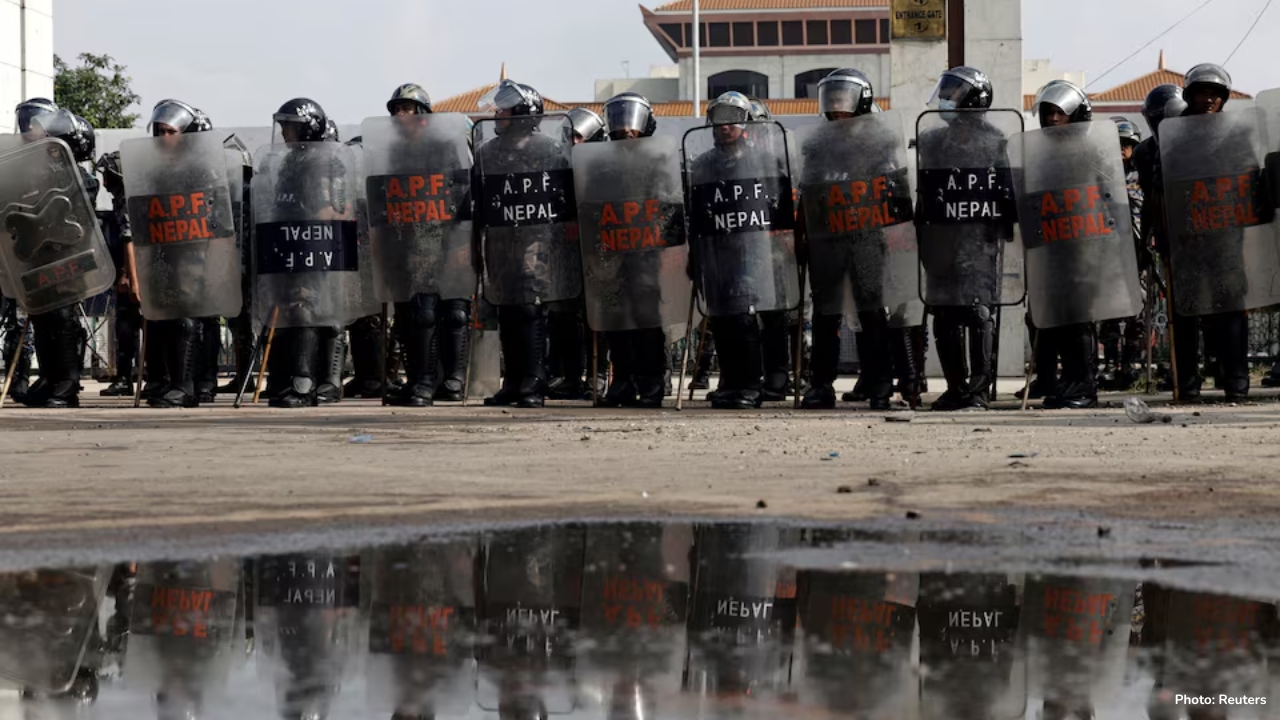
However, tensions rose when protesters attempted to storm government buildings and luxury homes of high-ranking officials. In response, Nepalese security forces, including the police and paramilitary units, were deployed to control the crowd. The clashes quickly turned violent. Protesters threw stones, damaged property, and tried to resist arrests, while police used force to disperse crowds.
Eyewitnesses reported seeing security personnel shooting bullets directly at protesters. Many citizens feared for their lives as the situation deteriorated. Hospitals received dozens of injured people, with some in critical condition. By the end of the first week, at least 74 people were confirmed dead, and over 2,000 were injured.
Forensic Investigation Reveals Use of Live Ammunition
After the violence, an interim government was established to investigate the events. Led by former Chief Justice Sushila Karki, a three-member committee was formed, headed by retired judge Gauri Bahadur Karki. Their task was to examine the incidents, review police actions, and determine whether excessive force had been used.
The forensic team from Tribhuvan University Institute of Medicine conducted autopsies and analyses. Their findings were shocking. They confirmed that at least 33 protesters were killed by live, high-velocity bullets, fired directly by security forces. Most victims had head and chest wounds, while only one was hit by a rubber bullet. This was the first official acknowledgment that live ammunition had been used during the protests.
The forensic report raised serious questions about the rules of engagement followed by police during civil unrest. Normally, law enforcement is expected to use non-lethal means first, such as water cannons, tear gas, or rubber bullets. The confirmation of live bullets indicates a severe breach of protocol and international standards.
Political Repercussions
The protests and resulting violence caused a political crisis in Nepal. Prime Minister K.P. Sharma Oli and Home Minister Ramesh Lekhak resigned after facing immense pressure from citizens and opposition parties. Their resignations came as a relief to many protesters, but questions about accountability remained.
Oli has denied ordering the use of live bullets. He claimed that some external elements may have been responsible for the deaths. Nevertheless, citizens and political analysts are demanding his arrest and a full investigation into the chain of command that led to the killings.
The events highlighted deep divisions in Nepalese society. Supporters of the government argued that police had no choice but to act to maintain order. Critics claimed that the response was disproportionate, targeting citizens exercising their right to protest.
Human Stories from the Protest
Behind the statistics are real human stories. Families mourned the deaths of children, siblings, and parents who joined protests hoping to demand change. Many of the victims were students or young professionals.
One mother, whose 19-year-old son was shot during a protest, described how she found him at a local hospital, barely alive. Doctors said he had multiple bullet wounds and required immediate surgery. She said she had encouraged him to speak out against corruption, never imagining that he would lose his life fighting for justice.
Another survivor, a 23-year-old college student, recounted being chased by police and seeing friends fall to gunfire. He described the fear and chaos as bullets flew through the crowd. Such testimonies paint a vivid picture of the trauma experienced by ordinary citizens during the unrest.
Interim Government and Investigation Panel
The interim government, led by Sushila Karki, emphasized transparency and justice. The committee is mandated to complete its investigation within three months. Their responsibilities include:
- Examining police tactics and whether excessive force was used.
- Identifying the chain of command that authorized the use of live ammunition.
- Investigating alleged acts of vandalism and resistance from protesters.
- Recommending changes in law enforcement and public safety policies.
The interim government is also preparing for national elections in March 2026. Observers suggest that the election schedule may be affected if the committee requires more time to complete its work, especially to address systemic governance issues and police reform.
International Response
The violence in Nepal has drawn global attention. The United Nations called for an independent, transparent investigation into the police response. International human rights organizations expressed concern about the use of live ammunition against civilians.
Analysts note that the events raise questions about the balance between security and human rights. While governments have a responsibility to maintain order, citizens also have the right to protest peacefully and demand accountability.
Lessons from the Protests
- The Nepal protests demonstrate several key lessons for governments worldwide:
- Respect for Human Rights – Citizens must be allowed to express concerns without fear of lethal violence.
- Police Training and Rules of Engagement – Security forces must follow protocols that prioritize safety and minimize casualties.
- Transparency and Accountability – Governments must act swiftly to investigate misconduct and prevent future incidents.
- Youth Engagement – Young people are a powerful force in demanding change, and their voices must be heard in political decision-making.
Rebuilding Trust
Rebuilding trust between the public and government in Nepal will be a long process. The use of live bullets has left a deep scar on society. Communities are calling for reforms to ensure that protests can occur safely in the future.
Local NGOs have started support programs for affected families, including counseling and financial assistance. Schools and universities are also helping students cope with the trauma of losing friends or family members.
Continuing Political Debate
The political debate in Nepal continues. Citizens are divided over whether the interim government will be able to implement meaningful reforms before elections. Supporters of the government insist that restoring order was necessary, while critics argue that excessive force undermined democracy.
Political parties are also discussing reforms to the police and security forces, including the proper use of force, accountability for commanders, and independent oversight. Many observers believe these changes are crucial to prevent similar tragedies in the future.
Moving Forward
As Nepal prepares for elections in March 2026, the country faces a challenging path. Citizens demand justice, accountability, and reforms to prevent future violence. The forensic confirmation that live ammunition was used adds urgency to these demands.
Experts emphasize that this moment is critical for Nepalese democracy. How the government handles the investigation, holds those responsible accountable, and reforms its security protocols will determine the future stability of the country.
For many Nepalese, the events of September 2025 are a wake-up call. They highlight the risks of unchecked power and the importance of protecting human rights even in times of crisis.
The September 2025 protests in Nepal were a tragic clash between citizens demanding change and security forces tasked with maintaining order. The confirmation that live bullets killed 33 protesters marks a grim milestone in the country’s history.
Families mourn their lost loved ones, survivors struggle with trauma, and the nation faces pressing questions about governance, accountability, and justice.
The interim government, forensic teams, and independent investigation panel are all working to uncover the truth and recommend reforms. As Nepal moves toward elections in 2026, the world watches closely. The lessons learned from this tragedy will shape the country’s democratic practices, human rights policies, and public trust for years to come.
Nepal’s citizens continue to demand accountability, justice, and reforms that will ensure peaceful protests can occur safely, marking a turning point in the nation’s political and social history.