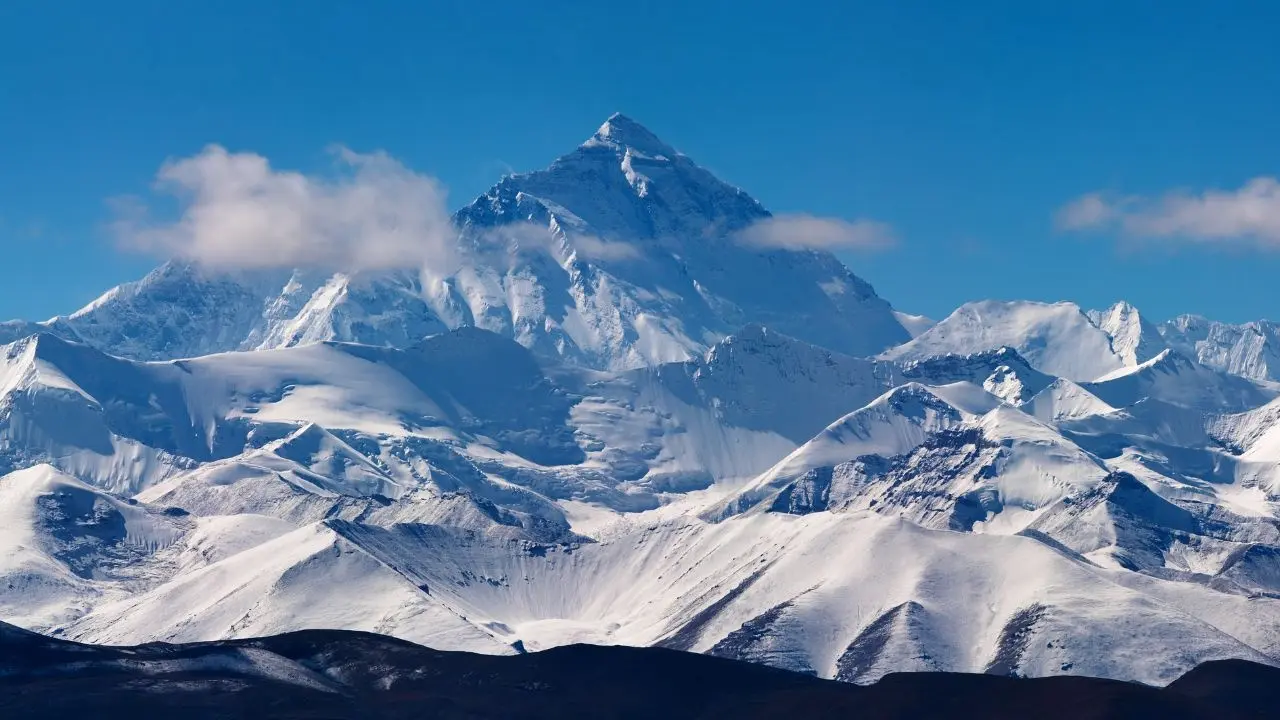
Nepal has revealed an ambitious five-year initiative aimed at cleaning Mount Everest along with other majestic peaks in the nation. Spearheaded by the Ministry of Culture, Tourism, and Civil Aviation, this plan will span from 2025 to 2029, focusing on safeguarding the mountains and enhancing climber safety.
Over the years, Mount Everest has suffered from significant pollution. Waste generated by climbers, guides, Sherpas, and porters—including plastic bottles, ropes, food scraps, oxygen tanks, and even human excrement—has contributed to this issue. Plastic waste poses a severe threat, as it remains in the environment for centuries, contaminating both soil and air.
Many climbers, like Japanese mountaineer Ken Noguchi, have expressed their dismay at witnessing the litter on Everest. “Before going, I saw beautiful images of Everest on TV. But when I reached there, I saw trash everywhere,” he remarked.
As part of the initiative, all climbing teams are now required to attend a briefing on mountain cleanliness before their expeditions commence. A temporary waste management center will be established at Camp 2 on Mount Everest. Climbers will be mandated to retrieve a certain quantity of waste from higher elevations and deposit it at this center to mitigate litter accumulation.
The plan also explores innovative waste management solutions. Nepal may deploy ropeways and drones to gather refuse from inaccessible spots above base camps, while GPS tracking could be piloted to safely locate human remains in these rugged terrains.
In 2024, the country made it obligatory for climbers to utilize waste bags, especially for human refuse, above base camp. The new plan will introduce regulations to control the influx of climbers, addressing the 'traffic jams' frequently seen on Everest when overcrowding occurs. The government intends to create laws that regulate climber numbers according to the mountain’s natural capacity and advisable weather conditions.
Additionally, the strategy proposes a study into possibly relocating Everest Base Camp to minimize environmental harm. Himal Gautam, director at the Department of Tourism, commented, “The base camp is overcrowded and fragile. We want to see if there is a more suitable location to protect the mountain.”
Nepal has undertaken cleanup initiatives in the past. In 2019, a collaboration between the Sagarmatha Pollution Control Committee (SPCC) and Khumbu Pasang Lhamu Rural Municipality facilitated a mission to remove refuse. The Nepali Army supported this effort, retrieving 10.8 tonnes of waste and uncovering four deceased individuals. To date, they have cleared 119 tonnes of refuse along with 12 human remains and four sets of human remains.
Despite such efforts, Everest still grapples with a significant waste challenge. From 2000 to 2007, Noguchi and his crew managed to collect approximately 90 tonnes of waste; yet, two decades later, pollution continues to plague the peak.
Nepal boasts eight of the globe’s 14 tallest mountains, all standing taller than 8,000 meters, in addition to 28 mountain ranges and over 6,000 rivers. This new five-year initiative is designed to protect these precious natural assets while promoting safer and more responsible climbing practices.
The Everest Cleaning Action Plan signifies a pivotal movement towards preserving the mountains from becoming waste dumps, ensuring that future climbers can safely appreciate the allure of Nepal’s splendid peaks.