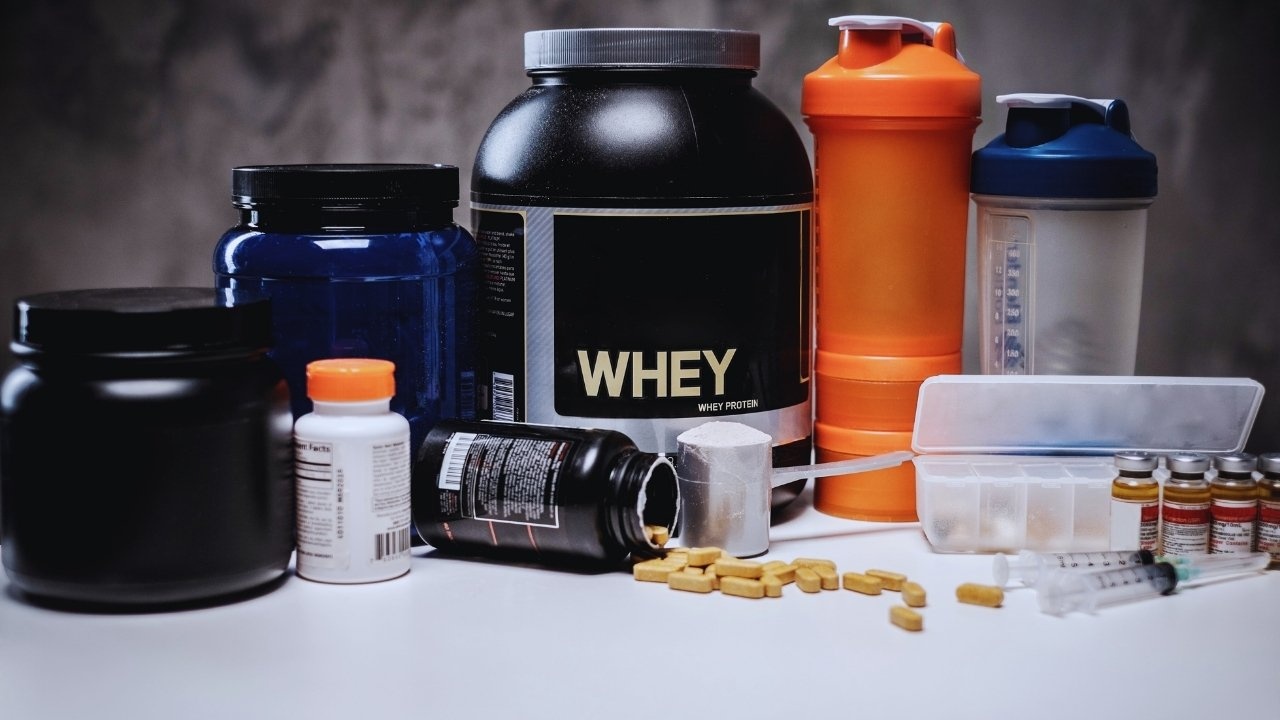
Why the Surge in Supplement Usage?
Step into any store or browse online in 2025, and you’ll encounter an array of supplements, all claiming to enhance immunity, sharpen mental clarity, improve skin appearance, aid weight loss, promote digestion, or ensure better sleep. The supplement industry has emerged as a lucrative segment of the wellness market, with no signs of slowing down.
Today, individuals often view supplements as a simple solution for nutritional gaps, energy boosts, or to help reach personal health goals. With hectic schedules, irregular diets, and escalating stress levels, there’s a growing demand for quick and seemingly effective solutions.
Nevertheless, the flourishing supplement market can also be confusing. For every legitimate product backed by research, there’s likely a range of others that rely more heavily on marketing than on real benefits. Distinguishing between genuine efficacy and trivial claims is crucial.
Grasping this distinction is vital since supplements can be powerful allies—but only when used wisely and in the appropriate context.
Why Are Supplements So Popular?
Contemporary lifestyles have boosted reliance on supplements. Factors such as long working hours, erratic eating habits, fast-food preferences, lack of sleep, and a sedentary lifestyle contribute significantly to nutritional deficiencies.
For many, supplements represent a safety net, providing convenience and confidence. Individuals lacking vitamin D due to indoor work might resort to tablets, while those facing digestive issues may opt for probiotics. People pursuing improved concentration may explore nootropic options.
Yet, these motivations often stem from habits that could be improved through healthier eating, better sleep, and overall balanced living.
Supplements are most beneficial when they enhance—not supplant—healthy lifestyle choices.
Recognizing Supplements Aren't Medicines
A prevalent myth about supplements is their perceived similarity to medications. While medications target specific ailments and undergo rigid regulation, supplements are designed to support daily nutritional intake.
They are not cures.
They don't act instantaneously.
They shouldn't replace professional medical guidance.
Supplements address deficiencies only when they exist. If a person's diet meets their nutritional needs, adding supplements won't automatically enhance their health.
This underlines the importance of knowing your body's requirements as the first step in identifying which supplements are truly beneficial and which are unnecessary.
Effective Supplements Backed by Research
Some supplements are well-researched and provide meaningful benefits when utilized correctly.
Vitamin D
Vitamin D deficiency is widespread, particularly among those indoors for long periods. It is vital for bone health, mood stability, and immune support. For many, including this vitamin can help restore optimal levels.
Omega-3 (Fish oil or plant-based alternatives)
Omega-3 fatty acids are essential for heart health, cognitive function, and managing inflammation. Those who don’t consume oily fish may require supplemental support.
B12
Dietary B12 is crucial for vegetarians and vegans or those with certain digestive issues. It plays an essential role in energy production, red blood cell formation, and nerve health.
Iron (only when verified deficiency exists)
Iron supplements are recommended for individuals with confirmed iron deficiency or low hemoglobin levels. Unverified consumption of iron should be avoided.
Probiotics
Probiotics can be beneficial for restoring gut health disrupted by a poor diet or antibiotics. While helpful for some, they are not universally necessary.
Magnesium
Magnesium contributes to muscle relaxation, sleep quality, and stress management. Many with stressful lives or variable diets find it advantageous.
Calcium
Calcium supplements are essential for bone health, particularly for older adults or those who lack sufficient dietary intake.
Protein Powders
Protein powders can assist those struggling to meet their protein requirements through diet alone, such as athletes, vegetarians, busy professionals, and seniors.
These supplements are considered beneficial as they address genuine deficiencies or provide support where daily nutrition may not suffice.
Supplements That Fail to Deliver
For each effective supplement, numerous others thrive on attractive marketing slogans and unfulfilled promises.
Detox Pills
The body naturally detoxifies through the liver and kidneys. Detox pills often merely encourage water loss or affect bowel movement, without real detoxification.
Fat-Burner Capsules
Most fat-burning pills overstate their efficacy. Genuine weight loss relies primarily on lifestyle choices, not just capsules.
Collagen Gummies
Collagen is broken down during digestion. Consuming collagen doesn't guarantee enhanced skin appearance; hydration and overall diet are key.
Superfood Powders
While superfood powders may contain essential nutrients, they typically come at a premium price. Whole foods often provide the same benefits more cost-effectively and with better absorption.
Nootropic “Brain Boosters”
Many nootropic blends make exaggerated claims about their effects. Unless prescribed, these typically do not significantly enhance focus or memory.
Immunity Shots
Instant immunity boosters are a popular marketing gimmick. Real immunity depends on consistent healthy habits—rest, nutrition, hydration, and overall well-being—not one-off shots.
These products might provide minimal benefits, but seldom meet the expectations set by their marketing.
Marketing Tactics That Mislead
The supplement industry excels at using persuasive marketing language. Tactics commonly include:
“Clinically proven” — frequently based on limited or irrelevant studies.
“Fast results” — deceptive, as results are rarely immediate.
“Natural” — not always safer; many natural ingredients can be quite potent.
“Doctor-formulated” — while it may be accurate, it doesn’t guarantee effectiveness.
“Metabolism booster” — often vague claims without solid scientific backing.
Being aware of these phrases helps consumers avoid impulsive buying driven by misleading promises.
Quality Over Quantity
Many assume that more supplements equate to better results. However, vitamins and minerals have thresholds. Excessive intake can lead to discomfort, interact negatively with medications, or lead to other health complications.
For instance:
Excess vitamin D can disrupt calcium levels.
Overdosing on B6 may provoke nerve issues.
High iron levels can be dangerous and should only result from verified deficiencies.
Taking several overlapping supplements raises the risk of unintentional overdoses.
Remember, more isn't better—just the right amount is what your body craves.
Prioritize Whole Foods for Nutrition
No supplement can replicate the rich variety and nutritional density of whole foods. Real foods offer fiber, enzymes, antioxidants, and phytonutrients that supplements simply cannot match.
A balanced diet enhances digestion, boosts energy, elevates mood, and strengthens immunity far more effectively than mere capsules. Supplements are ideally tools—not the foundation—of nutrition.
Assessing Personal Nutritional Needs
The best way to identify supplement requirements is by:
routine health check-ups
routine blood analysis
doctor consultations
monitoring long-standing symptoms
documenting dietary habits
Select supplements based on solid evidence, not fleeting trends.
Supplements for Fitness: The Facts
Fitness trends have spawned their own supplement culture. Some products genuinely assist, while others lean on hype.
Beneficial fitness supplements:
protein powders
creatine
electrolytes (especially for intense workouts)
Largely hype:
extreme pre-workouts
BCAA drinks (often unnecessary)
expensive “muscle boosters” with no established backing
Achieving fitness objectives is best facilitated through consistent exercise and balanced nutrition—rather than complex supplement combinations.
Modern Stress as a Driver for Supplement Demand
Stress plays a significant role in the choices surrounding supplements. Many seek calming products, sleep assistance, or adaptogen supplements for relief. While certain components may deliver modest benefits, true stress management is rooted in lifestyle adjustments—adequate sleep, establishing boundaries, physical activity, and managing mental workloads.
Supplements may aid in alleviating stress but cannot single-handedly resolve long-term stressors.
Different Age Groups Have Unique Needs
Supplement requirements evolve with age:
children should depend on whole foods, not supplements
young adults might need B12 or vitamin D
middle-aged individuals could benefit from calcium or iron
older adults may require increased vitamin D and protein
Supplements must cater to different age-related needs and intents.
A Balanced Future in Supplement Choices
The prudent approach to supplements in 2025 is one rooted in balance and informed decision-making. As the industry adapts, introducing new formulations and trends, one crucial fact persists:
Supplements yield the greatest benefits when they are used consciously, based on genuine needs, alongside a commitment to healthy living.
Disclaimer:
This article is intended for informational purposes only and does not offer medical, nutritional, or treatment guidance. It is advised to consult a qualified healthcare professional before making any adjustments to supplement intake.