NATO leaders have expressed confidence in the future of the military alliance despite growing tensions involving Iran and the increasingly dangerous situation in the Strait of Hormuz. The crisis has become one of the biggest international security concerns in recent months, with fears that further escalation could disrupt global energy supplies and increase military instability across the Middle East.
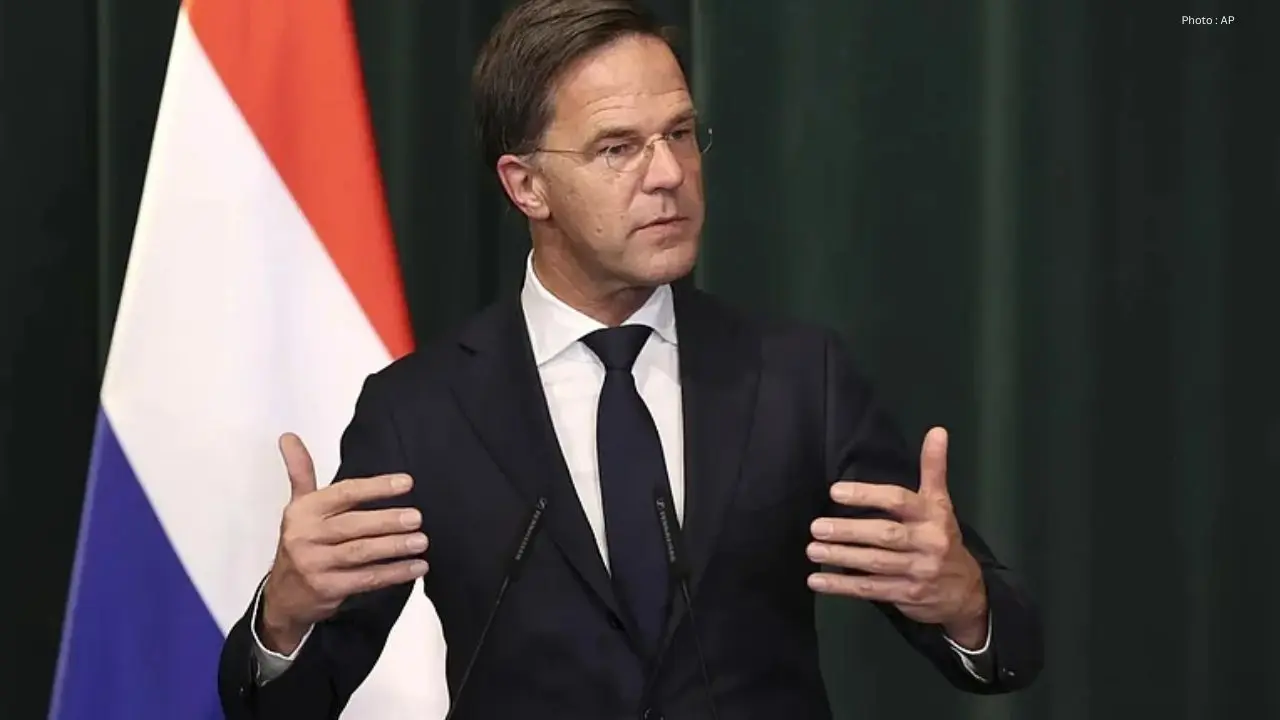
NATO Secretary General Mark Rutte said alliance members remain “extremely optimistic” about NATO’s long-term strength even though discussions about Iran and maritime security are now dominating many international meetings. Speaking during recent visits in Europe, Rutte stressed that NATO countries are continuing to coordinate closely on how to respond to the situation in the Gulf region.
The Strait of Hormuz has become the center of the crisis because it is one of the world’s most important oil shipping routes. Around 20 percent of global oil and liquefied natural gas supplies pass through the narrow waterway every day. Any disruption in the area immediately affects global energy markets, oil prices and international trade.
Tensions sharply increased after clashes between Iran, the United States and allied countries led to attacks on commercial shipping, military operations and threats against oil tankers traveling through the region. Reports suggest shipping traffic in some parts of the Strait of Hormuz has slowed significantly due to security concerns and naval activity.
Despite the growing crisis, NATO officials insist the alliance is prepared to protect regional security if necessary. Mark Rutte recently said NATO allies are discussing ways to help secure maritime routes and support stability in the Gulf. He also said several countries are considering possible military or logistical contributions if the situation worsens further.
The crisis has also exposed some disagreements inside the alliance. Reports indicate that several European countries remain cautious about direct military involvement in the conflict. Some governments are worried that aggressive military action could increase tensions with Iran and trigger a wider regional war. Other NATO members, however, argue that protecting global shipping routes is essential for economic and energy security.
U.S. President Donald Trump has publicly criticized some NATO allies for reacting too slowly to the Hormuz crisis. Trump previously called on European partners to provide more naval support and stronger cooperation in protecting commercial shipping in the region. His comments created tensions inside the alliance, although NATO leaders continue trying to present a united front publicly.
Germany, France and Britain have all supported diplomatic efforts aimed at reducing tensions while also discussing possible security measures to keep shipping lanes open. European leaders say they want to avoid a larger war while still protecting international trade and energy supplies.
The crisis has also caused major uncertainty in global financial markets. Oil prices have remained unstable as investors monitor developments in the Gulf. Energy experts warn that any major attack on shipping infrastructure or a complete blockade of the Strait of Hormuz could push oil prices sharply higher and affect economies worldwide.
Military analysts say the situation remains extremely sensitive because the Strait of Hormuz is difficult to secure during active conflict. The narrow waterway can be threatened by naval mines, drones, missiles and fast attack boats, making protection operations highly complex even for large military alliances.
NATO leaders continue emphasizing that the alliance remains focused on collective security and stability despite the current tensions. Officials say discussions among member states are ongoing and that maintaining cooperation between North American and European allies remains a top priority during the crisis.