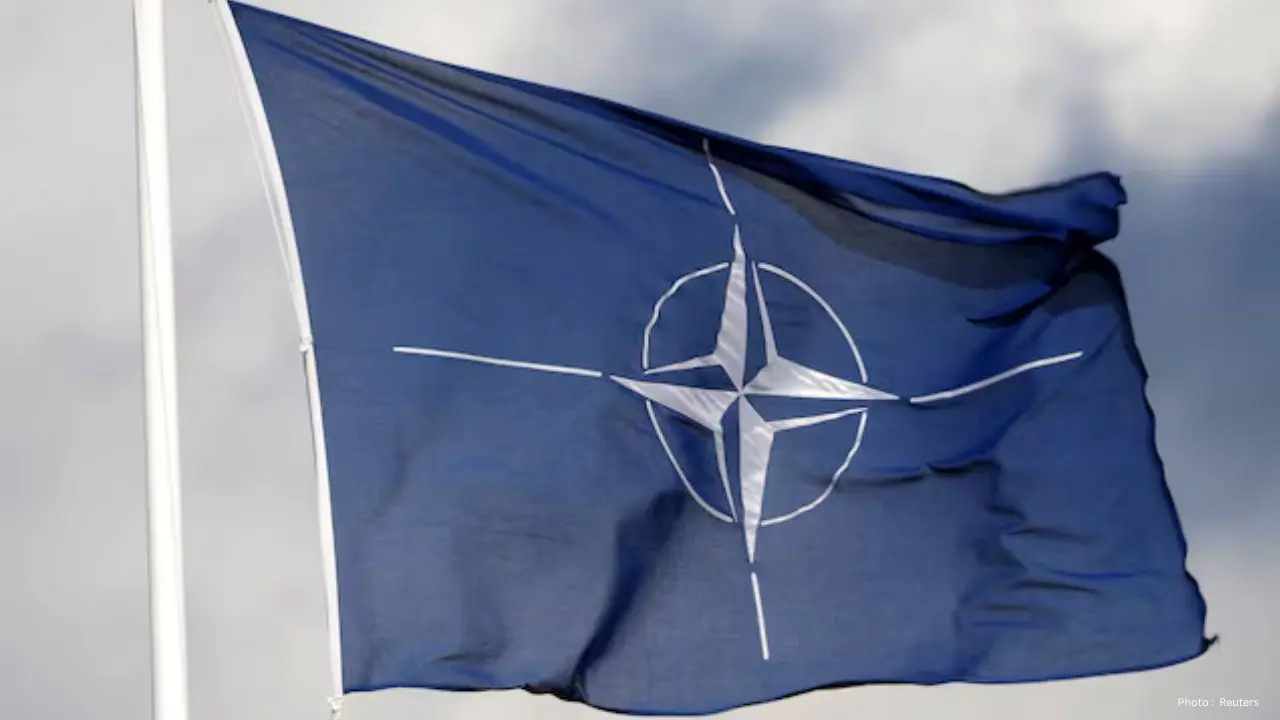
NATO has expressed deep concern over the nuclear strategies employed by Russia and China, emphasizing the urgent need for collaboration with the United States to enhance global security. This plea comes at a crucial time when international tensions are escalating and as preparations are underway for a significant gathering focused on nuclear weapons regulation.
The alliance has pointed out that Russia has utilized aggressive and threatening rhetoric regarding nuclear armament while withdrawing from essential arms control agreements. NATO also cast doubt on China's commitment to transparency as it expands its nuclear stockpile.
Leaders within NATO believe that active collaboration among global powers is essential to mitigate risks and avert misunderstandings. They have advocated for increased transparency, improved communication, and a stronger commitment towards stability, which will be vital in preventing an unconstrained arms buildup.
These concerns were voiced just ahead of a crucial review session for the Treaty on the Non-Proliferation of Nuclear Weapons (NPT), which is scheduled to be held at the United Nations in New York City. The NPT stands as one of the foremost international frameworks aimed at curbing the proliferation of nuclear arms while promoting peaceful nuclear energy utilization.
NATO has firmly backed this treaty, reinforcing its significance in upholding global security. However, historical discussions have often faltered, reflecting the complexities of achieving consensus on such delicate matters.
A representative from NATO highlighted Russia’s deployment of a nuclear-capable missile in the ongoing conflict in Ukraine as an example of what the alliance terms “irresponsible nuclear signalling.” Such actions contribute to global anxiety and uncertainty, according to NATO.
Conversely, Russia maintains its position as a conscientious nuclear power, accusing NATO of actions that exacerbate tensions. Similarly, China has dismissed these allegations, asserting that its nuclear initiatives are strictly defense-oriented.
The intricacies have intensified following the lapse of significant arms reduction treaties such as the New START, which had legally bound the US and Russia to specific nuclear limits. Experts caution that without such frameworks, the likelihood of a renewed arms race could significantly rise.
The primary nuclear powers globally include Russia and the United States, succeeded by China, France, and the United Kingdom. The decisions made by these nations are pivotal in influencing international peace and security.
NATO underscores its identity as a defensive entity, asserting that its focus is on safeguarding its members and bolstering global stability rather than instigating threats. At the same time, it has stood by the actions executed by its members as necessary responses to emerging threats.
This call for partnership indicates that dialogue is essential even during periods of heightened tension. The absence of communication can lead to misunderstandings and escalating risks. Many analysts advocate for renewed discussions among the United States, Russia, and China to prevent further conflicts.
The impending conference is anticipated with great interest by the global community as leaders seek avenues to reinforce current accords and potentially introduce new agreements. Achieving consensus, however, may prove challenging due to varying interests and levels of trust.
This scenario underscores a considerable challenge that the global community faces today. With technological advancements and rising geopolitical tensions, the management of nuclear arsenals becomes crucial. Nations must navigate their security imperatives while being vigilant against conflict.
NATO’s communication is unequivocal: cooperation, transparency, and dialogue are paramount for sustaining peace. The realization of these aspirations will hinge on the readiness of major powers to collaborate in the forthcoming months.