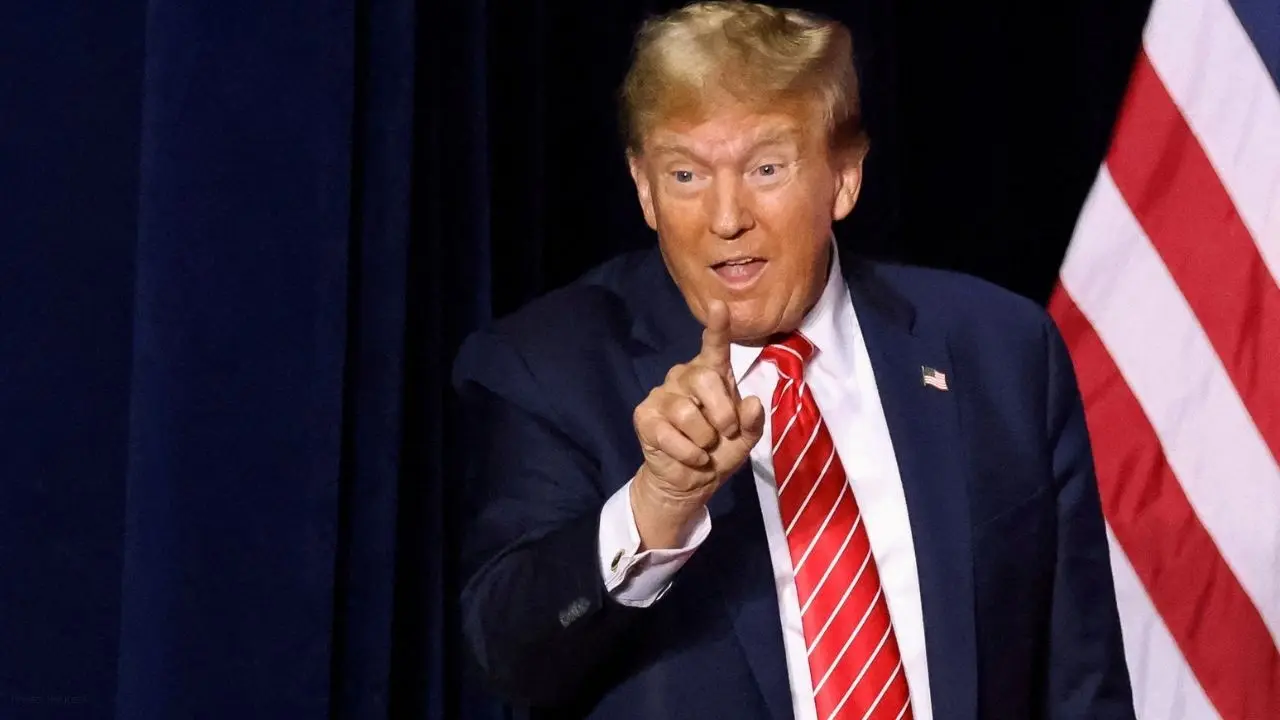
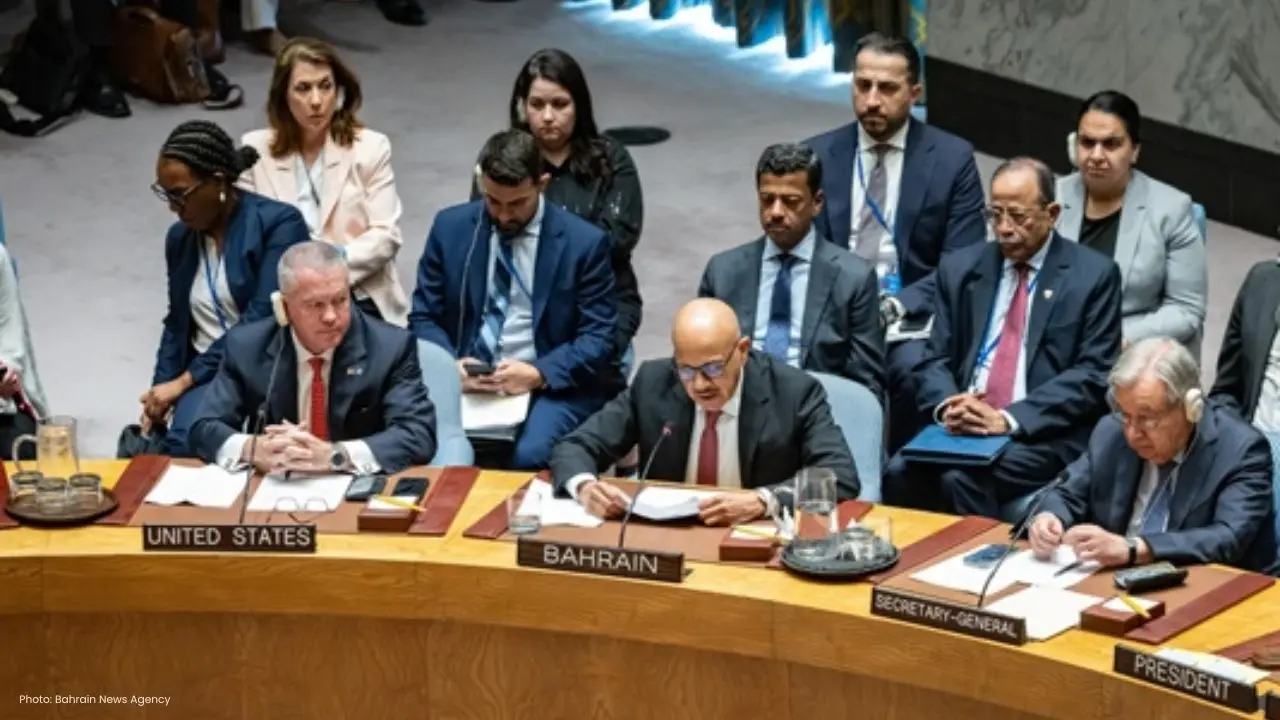
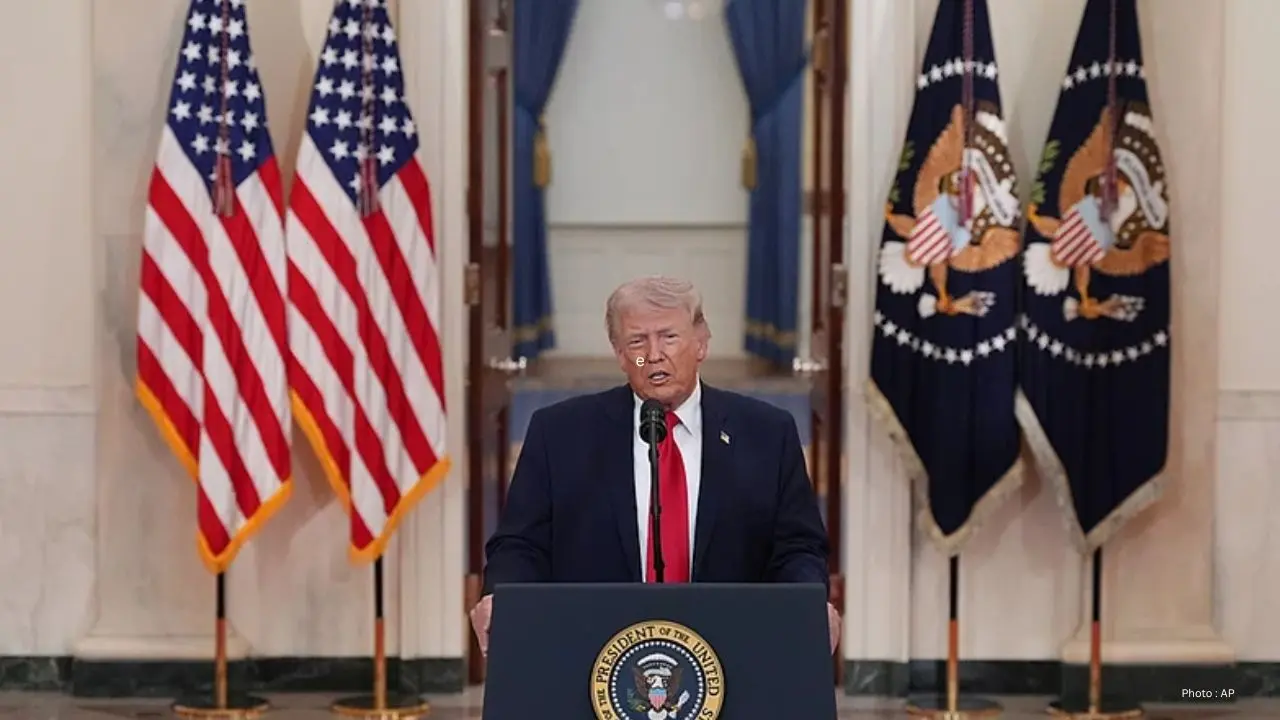
Several NATO member countries are expressing confusion and concern after US President Donald Trump reportedly changed his position on American troop deployment plans in Europe. The sudden policy shift has created uncertainty among European allies at a time when security tensions with Russia remain high and NATO countries continue focusing on regional defense and military cooperation.
According to diplomatic and defense officials, the Trump administration had earlier signaled support for maintaining or even strengthening American military presence in Europe because of ongoing concerns related to the war in Ukraine and broader regional security issues. However, recent comments and policy discussions from the White House reportedly suggested that the administration may now consider reducing or reorganizing US troop deployments in parts of Europe, surprising several NATO partners.
European officials said the sudden change created confusion because many NATO countries rely heavily on American military support as part of the alliance’s collective defense system. Several Eastern European countries in particular view the US military presence as an important security guarantee against possible threats from Russia. Diplomats from multiple NATO nations have reportedly requested clarification from Washington regarding future troop plans and long-term American commitments to the alliance.
The United States currently maintains tens of thousands of military personnel across Europe, including major bases in Germany, Poland, Italy, and other NATO member states. Since Russia’s invasion of Ukraine in 2022, NATO has increased military readiness, expanded troop deployments, and strengthened defense coordination across the region. American forces have played a major role in these operations, including intelligence sharing, logistics, training missions, and rapid-response planning.
Trump has repeatedly criticized NATO members in the past for not spending enough on defense and relying too heavily on the United States for military protection. During both his earlier presidency and recent political statements, Trump argued that European countries should take greater responsibility for their own defense budgets. His administration has often linked American military commitments to whether NATO members meet defense spending targets agreed upon by the alliance.
Some analysts believe the latest policy discussions may be connected to broader debates inside the Trump administration over military costs, foreign policy priorities, and long-term strategic planning. Others say the changing position could also reflect internal disagreements between White House officials, defense leaders, and military commanders regarding Europe’s future security situation.
European leaders are now carefully watching Washington for more official details about any possible troop reductions or restructuring plans. Several NATO governments reportedly fear that uncertainty about American military commitments could encourage geopolitical instability and weaken deterrence against potential security threats in Europe.
Defense experts say any major change in US troop levels would likely have significant political and military consequences for NATO operations. American forces stationed in Europe support not only regional defense but also intelligence gathering, military exercises, logistics operations, and rapid deployment capabilities across the alliance. Changes in troop presence could therefore affect NATO’s overall preparedness and strategic planning.
Despite the concerns, NATO officials have publicly emphasized that the alliance remains united and committed to collective security. However, political analysts say Trump’s changing stance has once again highlighted ongoing debates within NATO about burden-sharing, defense spending, and the future role of the United States in European security affairs.