A strong thunderstorm swept across Montreal and other parts of Quebec on Monday, bringing with it heavy rainfall, flash floods, power failures, and major disruptions at the city’s international airport. The storm hit fast and hard, with rainfall levels not seen before in Montreal during the month of July.
What Happened?
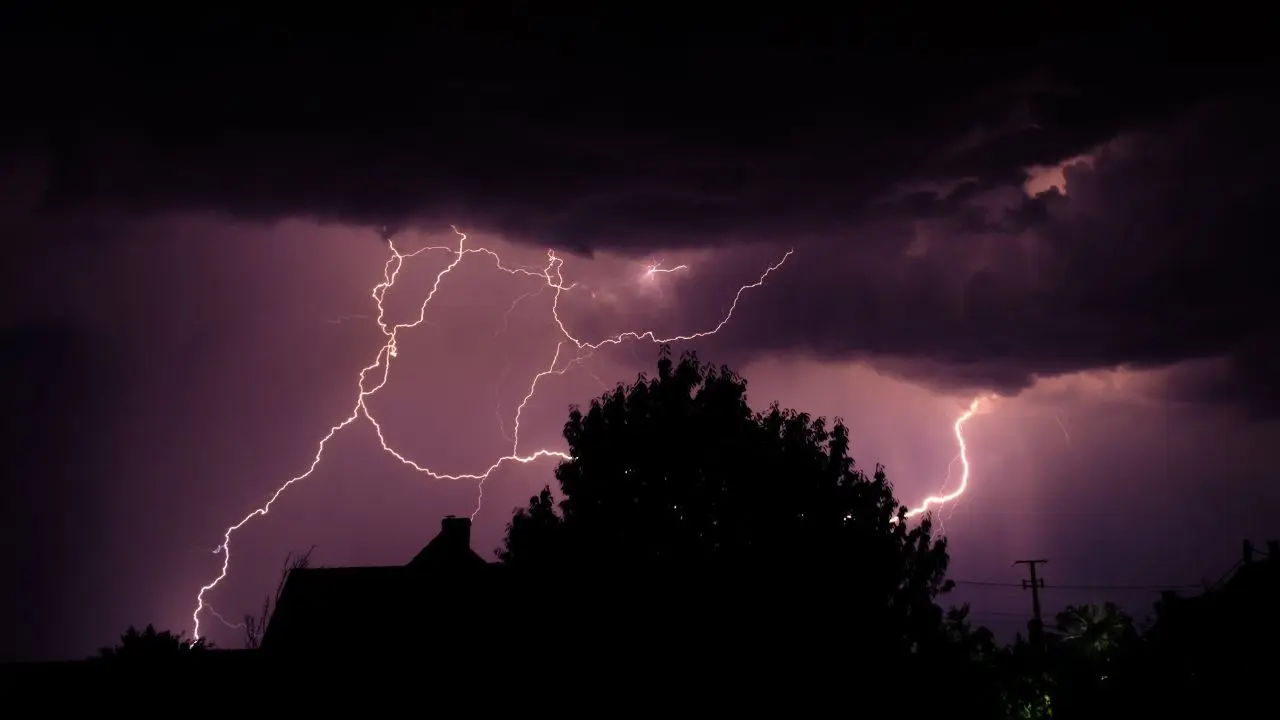
On Monday, a very strong thunderstorm moved across the city of Montreal in the afternoon. The skies quickly turned dark, and heavy rain started pouring down. In some areas, more than 150 millimetres of rain fell in just one hour — that’s more than what usually falls in an entire month.
One of the worst-hit places was Montréal–Trudeau International Airport, where 57.5 mm of rain was recorded in less than one hour. The airport experienced flooding on runways and in passenger areas. Many flights were delayed, while others were cancelled. Travelers were left confused and stranded as water collected both inside and outside the airport.
Streets Flooded Across the City
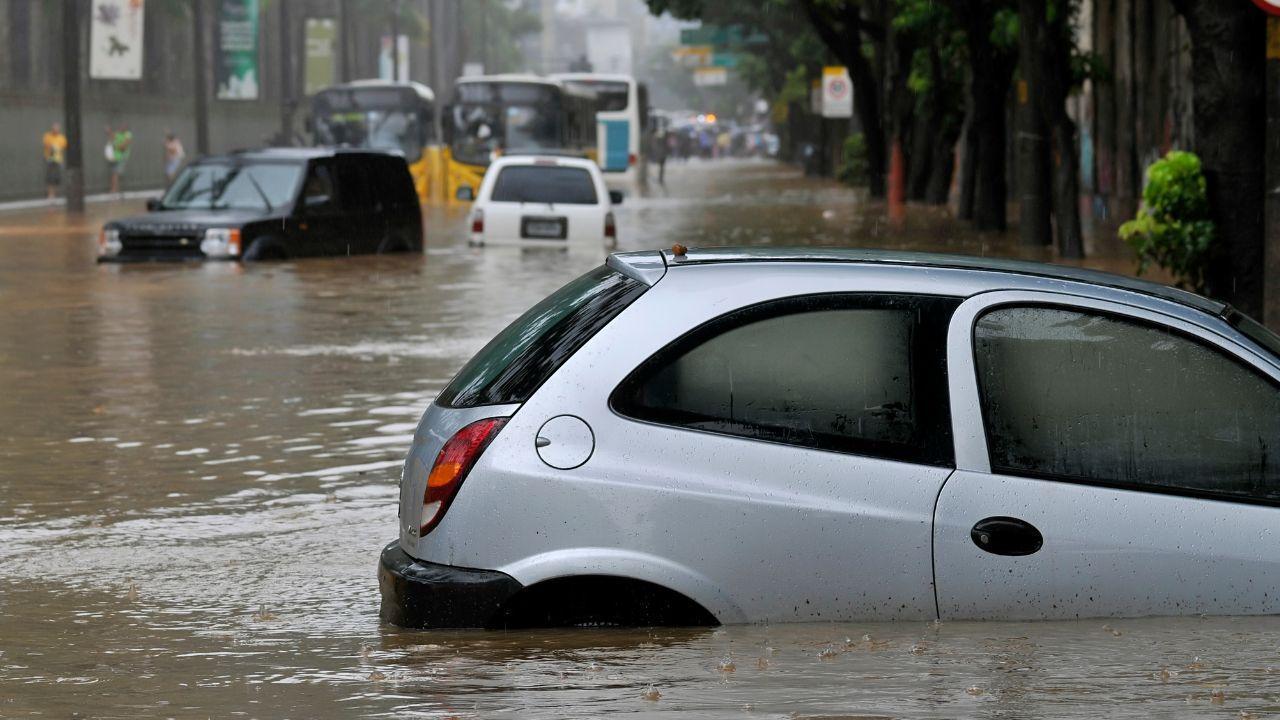
In many parts of Montreal, including downtown and suburban areas, the rain caused sudden flash floods. Some areas received up to 80 mm of rainfall in a very short time. This led to roads becoming rivers. Cars were stuck. Basements and homes were flooded. Public transport was also delayed or stopped in some areas due to water on the tracks or roads.
People shared videos and pictures on social media, showing how quickly the water filled streets and parking lots. Some stores and buildings had water pouring in through doors and windows.
Power Out for Thousands
At the peak of the storm, Hydro-Québec reported that nearly 100,000 homes and businesses lost electricity. Trees fell on power lines, and lightning strikes damaged parts of the grid. Many people were left in the dark for hours, with no lights, air conditioning, or working devices.
Hydro-Québec sent repair crews across the province to fix the damage. By late Monday night, power had returned to many areas, but some homes remained without electricity the next morning.
Record Rainfall for July
This storm brought record-breaking rain to Montreal for the month of July. The previous record was set just last year, on July 10, 2024, when the leftover winds and rains from Hurricane Beryl dropped 79.2 mm of rain in one day.
This time, the rain in some parts of the city surpassed that amount in less than an hour. It was one of the heaviest downpours ever seen in such a short time during a Montreal summer.
However, the wettest day in Montreal’s history is still August 9, 2024, when Hurricane Debby passed over the region and brought 145 mm of rain in one day. That storm also caused widespread damage and flooding.
Was There a Tornado Risk?
Even though the thunderstorm was powerful, there was no tornado warning for Montreal on Monday. Weather officials from Environment Canada said that the conditions were not right for tornadoes to form.
Still, with so much lightning, heavy wind, and rain, the storm caused serious damage without the need for a tornado. Emergency teams were ready, and thankfully, no injuries or deaths were reported at the time of writing.
More Trouble Ahead: Heatwave Warning
As Montreal begins to clean up after the floods, a new weather problem is approaching. A heat warning has been announced for Tuesday and Wednesday.
Daytime temperatures are expected to rise to 31 to 33 degrees Celsius. When humidity is added, it will feel like almost 40 degrees. Nights will not bring much relief either, as lows will stay between 20 and 23 degrees Celsius.
Health experts are warning people, especially the elderly and young children, to drink water often, stay indoors when possible, and avoid heavy work during the hottest parts of the day.
What You Can Do
Authorities are asking the public to be careful and prepared. Here are some safety tips being shared:
- Stay away from flooded streets or sidewalks.
- Avoid driving through water, as it might be deeper than it looks.
- Don’t touch fallen power lines or broken wires.
- If your home floods, turn off electricity from the main switch if it’s safe to do so.
- During the heatwave, drink lots of water and rest in cool places.
This storm was another reminder of how fast weather can change and how serious the effects can be. Montreal is no stranger to storms, but this one set new records and caused problems across the city.
The city is now focused on cleanup and recovery. Emergency crews, airport staff, and Hydro-Québec workers are all working hard to bring things back to normal.