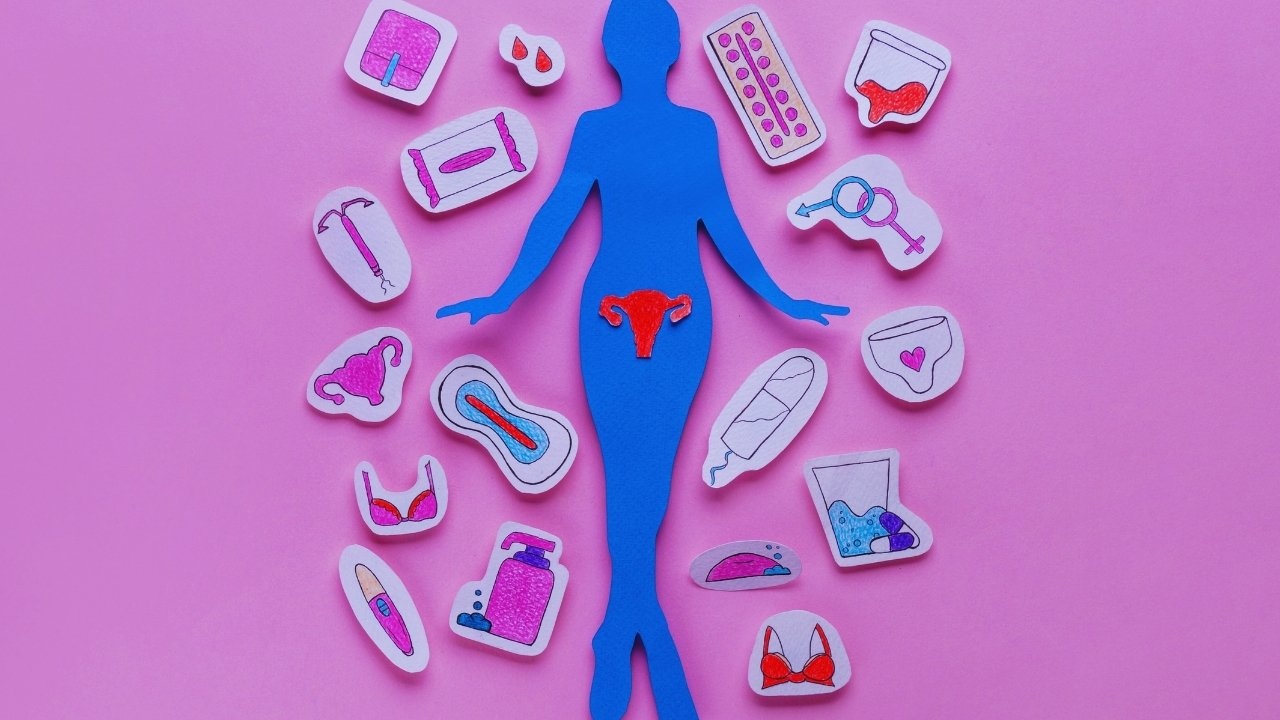
Experiencing periods is a common aspect of life for many women, yet achieving comfort during menstruation remains elusive. Juggling workplace demands, chaotic schedules, and a lack of open conversations about menstrual health often makes this natural cycle a significant challenge.
Whether you're facing debilitating cramps, unexpected mood fluctuations, fatigue, or heavy days, menstruation often calls for self-care and gentleness. However, many women suffer in silence.
Understanding menstrual wellness goes beyond merely enduring discomfort; it's about familiarizing yourself with your body, embracing it, and honoring every phase of your cycle. With appropriate strategies, menstrual experiences can shift from overwhelming to manageable.
This guide sheds light on pain relief methods, insights into your cycle, symptoms to watch for, and actionable tips that easily fit into daily living.
Decoding Your Menstrual Cycle
Gaining insight into your cycle is the first step toward effective management. The menstrual cycle isn't just about the days of bleeding; it unfolds in a rhythm characterized by four distinct phases, each carrying its own set of hormones and emotional responses.
Menstrual Phase (Days of Bleeding)
Lower energy levels and heightened sensitivities
The body flushes out the uterine lining
You may experience tiredness, emotional fluctuations, or cramps
Follicular Phase (Recovery After Menstruation)
Estrogen levels rise, leading to improved energy
Renewed motivation and creativity
The ideal time to initiate new projects or habits
Ovulation Phase (Peak Energy)
Hormones peak, resulting in heightened confidence and mood
Many experience radiant skin
Stronger workouts feel effortless
Luteal Phase (Pre-Menstruation)
Progesterone rises
Symptoms may include bloating, fatigue, and irritability
PMS may present: headaches, cravings, and emotional shifts
Recognizing your cycle’s nuances is essential for treating yourself with kindness instead of battling against your body.
Common Menstrual Symptoms: Causes and Insights
Cramps
The uterus contracts to expel the lining, resulting in discomfort.
Fatigue
Energy levels can drop due to hormonal changes and fluctuating iron levels.
Bloating
Water retention and slow digestion often occur.
Mood Swings
Hormonal shifts affect serotonin and emotional balance.
Breast Tenderness
Hormonal surges can lead to sensitivity in breast tissue.
Back Pain
Tension in uterine and adjacent muscles can radiate discomfort.
These indications do not signify weakness—they are biological responses. If they become too challenging, it’s crucial to seek help.
Consulting Your Doctor: When to Seek Help
Pay attention to your body's signals. If you observe:
Intense pain disrupting daily activities
Excessive bleeding
Regularly inconsistent cycles
Bleeding lasting beyond 7-8 days
Pain during intercourse
Extreme fatigue
Sudden changes in your cycle
Such symptoms might indicate conditions like PCOS, endometriosis, hormone imbalances, or anemia. Early consultation aids in effective wellness management.
Daily Habits for Menstrual Health
Menstruation feels more manageable when your body receives consistent support—not just during the bleeding days.
Regular Nutrition
Focus on:
Avoid skipping meals throughout your cycle—dropped blood sugar can intensify mood fluctuations.
Hydration is Key
Warm beverages and herbal teas can ease cramps and minimize bloating.
Gentle Movement
Rather than strenuous workouts, opt for activities that soothe your muscles:
Walking
Light stretches
Yoga
Deep breathing
Physical movement enhances blood circulation and releases natural pain-relieving hormones.
Emphasize Quality Sleep
Your body restores itself during rest. Try to sleep earlier during your cycle.
Effective Pain Management Strategies
Heat Therapy
Using heating pads or hot water bottles helps alleviate cramps and back pain.
Gentle Yoga and Stretching
Recommended poses include:
Child’s pose
Cat-cow stretch
Butterfly stretch
Knees-to-chest pose
Pelvic tilts
Relaxing Baths
Soak in warm baths to release muscle tension and calm the nervous system.
Massage with Care
Gently massaging the lower abdomen with warm oil can ease tension.
Tea Rituals
Herbal teas such as ginger, chamomile, and peppermint assist with digestion and relief.
Foods that Alleviate Menstrual Discomfort
Beneficial Options
Bananas (reduce bloating and cramps)
Jaggery (supports iron levels and mood)
Warm soups or dal khichdi
Oats and millets for sustained energy
Curd (if it suits you)
Spinach, beetroot, and legumes (combat low iron)
Nuts, pumpkin seeds, and sesame for nutrition
Coconut water for hydration
Foods to Avoid
Remember, optimizing balance instead of restriction is key.
Tracking Your Cycle: A Valuable Self-Care Method
Your menstrual cycle isn’t random. Monitoring it assists in recognizing patterns, predicting discomfort, and making informed health choices.
Monitor Aspects Like
Flow intensity
Mood variations
Appetite changes
Sleep quality
Energy levels
Days with cramps
Digestive variations
Benefits
Greater control when planning
Less anxiety about unanticipated cycles
Early recognition of any changes
Understanding ovulation and fertility windows is valuable for family planning
Track your cycle using:
Awareness leads to empowerment.
Your Period Comfort Kit
Assemble a small kit for your menstrual days including:
Sanitary pads, tampons, or menstrual cups
Pain-relief roll-ons or heat patches
Extra underwear
A treat like chocolate or a nut mix
Soft tissues
A discreet disposal pouch
This preparation can ease stress when you're on the go.
Choosing Your Menstrual Products
Each individual has unique comfort needs.
Sanitary Pads
Convenient, comfortable, and easy to access.
Tampons
Best for travel and active lifestyles.
Menstrual Cups
An eco-friendly option, economical for the long term, requiring comfort with usage.
Period Underwear
Suitable for home use or light flow days.
No method is universally ideal; comfort and hygiene matter most.
Essential Hygiene Practices
Change products routinely
Clean with mild soap and lukewarm water
Avoid heavily scented items
Opt for breathable cotton underwear
Don’t miss bathing—warm baths bring relief
Prioritizing hygiene, comfort, and gentle care fosters well-being.
Managing Work, Study, and Life During Periods
Listen to Your Body
Establish a Comfort Routine
Soothing music
Warm compresses
Leisurely walks
Tea breaks
Don’t Hesitate to Say No
Menstruation doesn’t denote weakness, but over-exerting yourself can harm your well-being.
Setting boundaries protects your health.
Addressing Emotional Fluctuations
Hormones can sway moods—acknowledge these feelings with compassion.
Helpful practices include:
Emotions are valid; provide comfort to yourself without judgment.
Challenging Cultural Narratives & Myth-Busting
Menstruation isn’t dirty, shameful, or impure; it’s a fundamental biological process.
Engaging openly about it reduces stigma, enhances care, and paves the way for healthier mindsets for generations to come.
A Concluding Thought
Menstrual wellness isn't merely about enduring pain or acting unaffected. It's about understanding your body, taking necessary rest, nourishing yourself, and incorporating small self-care practices each month.
Your cycle represents a rhythm, not a burden. Treat it with kindness. Acknowledge every phase of your body. You are worthy of comfort and support throughout every day of your cycle—not just those that are easy.
Menstrual wellness begins with self-awareness and continues through self-compassion.
Disclaimer:
This article offers general guidance on menstrual wellness. Persistent or intense symptoms should be discussed with a qualified healthcare professional. Each body is unique—seek tailored advice from healthcare experts.