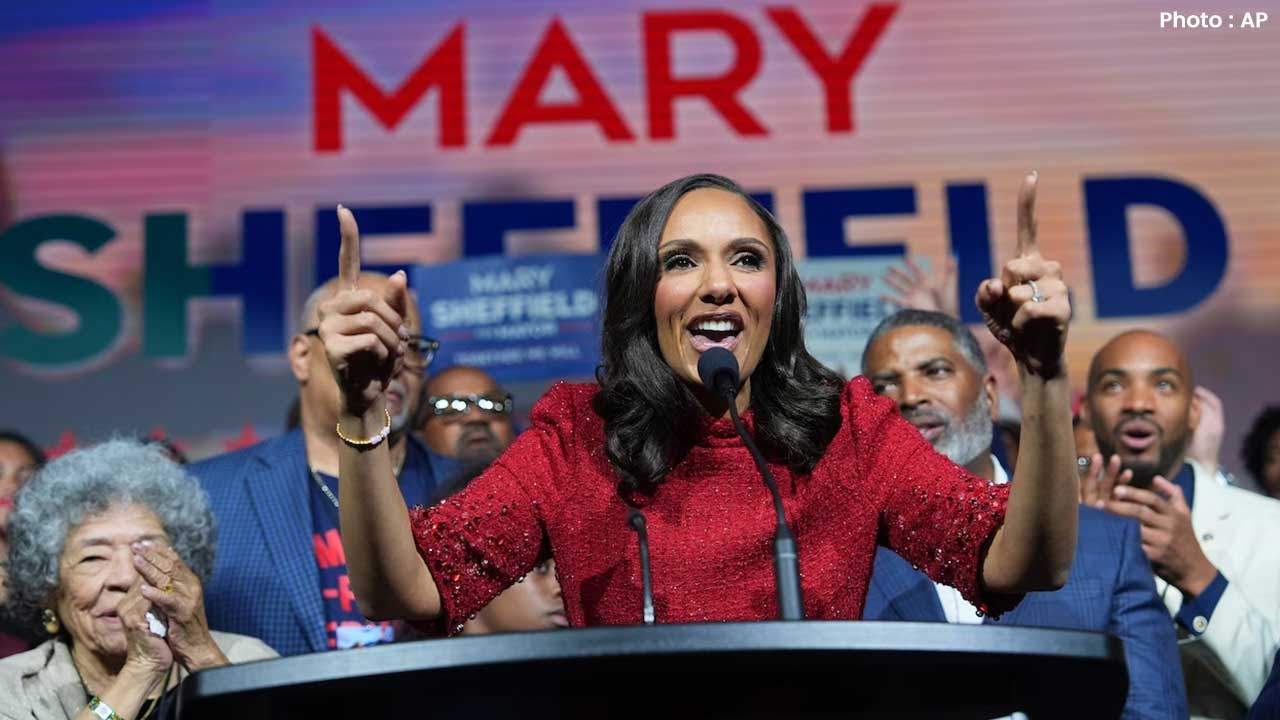
Detroit has turned a new page with the election of Mary Sheffield as the city’s first female mayor — a milestone that underscores the long, ongoing story of the city’s renewal. Sheffield, who serves as president of the Detroit City Council, prevailed over Reverend Solomon Kinloch in Tuesday’s general election.
Sheffield is due to be sworn in in January 2026 and will follow Mayor Mike Duggan, who opted not to run for a fourth term after 12 years leading the city. Duggan, widely credited with steering Detroit’s financial recovery and rebuilding infrastructure after the 2014 bankruptcy, is pursuing a bid for Michigan governor as an independent.
Her victory comes as Detroit continues to reshape its economy and civic life. Sheffield ran on a platform aimed at making the city’s comeback more equitable, with special emphasis on neighborhoods that have often been left behind. At a campaign appearance she said she intends to expand opportunity, shore up neighborhood life and ensure the city’s gains touch every family and block.
A Detroit native, Sheffield grew up immersed in the city’s civic culture as the daughter of pastor and activist Horace Sheffield III. She entered public service at 26 and was elected to the Detroit City Council in 2013, later winning the council presidency in 2022. Her rise reflects more than a decade of experience in governance, community work and efforts to steer economic change.
Outgoing Mayor Duggan publicly backed Sheffield, calling her the most prepared candidate to lead next. Her agenda prioritizes stronger public schools, improved safety, and continuing neighborhood revitalization — with a clear focus on directing investment beyond the downtown core so all communities benefit.
The city’s transformation over the past decade has been notable: since emerging from bankruptcy in 2014 Detroit has posted a dozen consecutive balanced budgets, upgraded street lighting, seen reductions in some crime measures and improved police response times. The U.S. Census Bureau reports the population now at 645,705, a rare upswing after many decades of decline from a mid-20th-century peak.
In his concession, Solomon Kinloch congratulated Sheffield and urged leaders to distribute development gains across the entire city, not just central neighborhoods, while encouraging residents to stay engaged in civic life and governance.
As Sheffield prepares to assume office, Detroit faces a pivotal moment. Her leadership is expected to merge continuity with fresh energy — a chance to deepen the city’s recovery while addressing persistent inequalities and forging a more inclusive future for its residents.