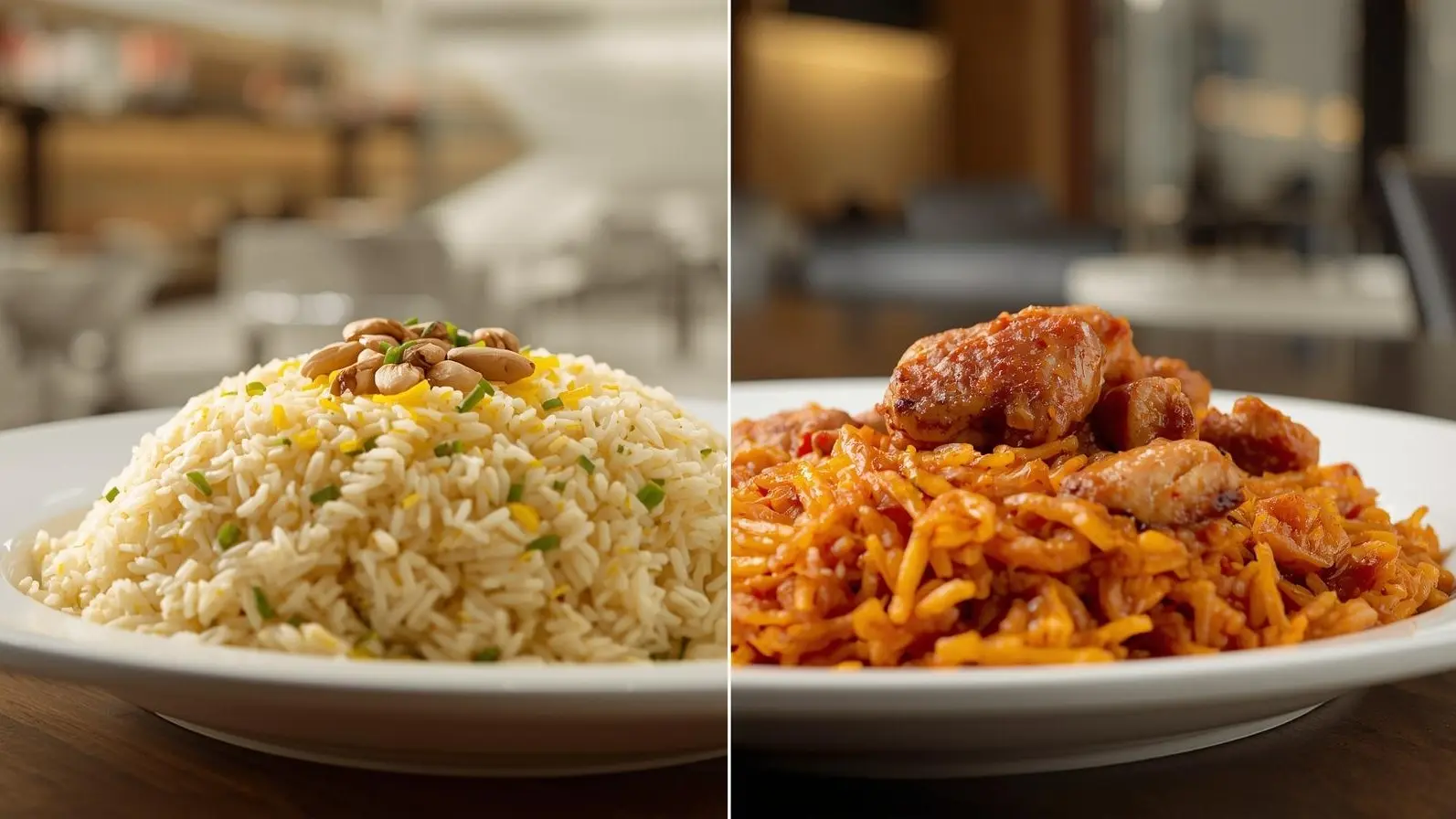
Mandi vs Bukhari Rice: The Dish That’s Winning Hearts in Dubai 2026
As Dubai’s culinary scene evolves, locals and visitors indulge in a variety of flavors from the Middle East. Two rice dishes, mandi and bukhari rice, have garnered significant attention. Both are rich, aromatic, and satisfying, but they represent different culinary traditions. In 2026, these dishes can be found in casual eateries, specialty restaurants, and family-run spots. This overview details their differences, rising popularity, flavor nuances, dining settings, and where to savor each in Dubai.
Culinary Roots
Mandi hails from Yemen and is traditionally prepared in a unique underground cooking method. Featuring long-grained rice infused with spices like saffron and cardamom, this dish often includes slow-cooked meats such as lamb or chicken. Mandi is a staple for community gatherings across the Arabian Peninsula.
Bukhari rice, also known as “Kabsa” in the Gulf, is intertwined with Saudi culinary heritage. Its distinct taste comes from an array of spices, such as cinnamon and black lime, cooked alongside the meat, delivering a unified, spiced dish.
Contrast in Flavor and Preparation
Cooking Method and Texture —
• Mandi: Fluffy rice grains with a smoky flavor due to traditional cooking techniques. The meat is served separately but shares similar spices.
• Bukhari Rice: The rice absorbs the flavors of the meat, resulting in a deeply aromatic dish where rice and protein blend seamlessly.
Spice Characteristics —
• Mandi: Utilizes gentler spices, emphasizing smokiness.
• Bukhari Rice: Rich spice profiles dominate, with hints of sweetness from dried fruits or nuts.
Accompaniments —
• Mandi: Served with tomato salsa, yogurt, and fresh salad.
• Bukhari: Typically accompanied by pickles and nuts.
Trends in Popularity: 2026
Although both dishes remain favorites, preferences vary based on context and demographics.
Mandi’s Appeal:
• Lunch Options: Its lighter profile makes mandi a hit for office lunches.
• Delivery Convenience: Many delivery services now offer mandi, ensuring it retains its flavor during transport.
• Familiarity: Favored by diners from Yemen, Oman, and East Africa.
• Family Dining: The dish’s generous portion size suits communal dining.
Bukhari Rice’s Allure:
• Weekend Dining: Its intricate flavors make it popular for leisurely dinners.
• Celebratory Events: Often featured in family gatherings due to its tasty richness.
• Gourmet Diners: Food enthusiasts often gravitate toward bukhari for its vibrant spice blend.
2026 Order Trends:
Data indicates that mandi has a small edge in overall demand, especially during weekdays, while bukhari rice thrives in special occasions and group settings where deeper flavor profiles are sought.
Where Preferences Lie
If Quick Comfort is Desired:
• Busy areas with popular mandi outlets.
• Reliable kitchens for home delivery.
• Casual restaurants well outside tourist hubs.
If Looking for Rich, Festive Meals:
• Traditional Gulf eateries focusing on bukhari rice.
• Upscale dining spots that feature bukhari rice.
• Venues ideal for family celebrations.
Influences on Dining Choices
Expats in Dubai:
With a diverse expat community, many prefer mandi for everyday meals due to its milder spice palette and broader cultural influences.
Local Preferences:
Many Emiratis favor bukhari rice due to its robust spice profile, particularly when paired with grilled meats, aligning with traditional Gulf dining practices.
Differences in Dining Experience
Serving Style:
• Mandi: Served family-style on platters.
• Bukhari Rice: Often with mixed meat and rice, enhanced with garnishes.
Visual Appeal:
• Mandi: Simple and rustic plating.
• Bukhari Rice: Rich golden tones adorned with spices and nuts.
Meal Structure:
• Mandi: Lighter fare complemented by cooling drinks.
• Bukhari Rice: Robust enough for a hearty meal often enjoyed with salads or complementary beverages.
Best Spots for Mandi in Dubai
Top Recommendations for 2026:
• Traditional mandi venues in Deira famous for their smoky flavor.
• Well-reviewed delivery services with generous portions.
• Authentic Yemeni kitchens upholding age-old mandi traditions.
Common Mandi Orders:
• Chicken mandi platter
• Lamb mandi with extra gravy
• Mixed mandi ideal for groups
Best Places for Bukhari Rice in Dubai
Top Picks for 2026:
• Gulf restaurants in Karama known for traditional spices.
• Upscale eateries showcasing bukhari as a signature dish.
• Family-style restaurants pairing bukhari with grilled meats.
Popular Bukhari Dishes:
• Chicken bukhari with roasted vegetables
• Lamb bukhari served with nuts
• Bukhari rice accompanied by pickles and salad
Cost Insights for Dubai 2026
Mandi Price Range:
• Chicken mandi: AED 35–55
• Lamb mandi: AED 55–95
• Family platters: AED 120–160
Bukhari Rice Price Range:
• Chicken bukhari: AED 45–70
• Lamb bukhari: AED 70–110
• Mixed meat bukhari: AED 90–140
Note that prices change based on restaurant type and serving sizes.
Ordering Patterns
Mandi:
• Popular for delivery and take-out.
• Commonly prepared in quick-service kitchens for lunchtime diners.
• Mid-range pricing is prevalent.
Bukhari Rice:
• Commonly ordered for dine-in experiences.
• Priced on the higher end for premium dining atmospheres.
• Frequently shared as part of larger platters.
Ideal Pairings
Mandi Pairings:
• Tomato salsa or hot sauce
• Fresh salad or pickles
• Yogurt drink (Laban)
• Chilled soft drinks
Bukhari Rice Pairings:
• Pickled vegetables
• Raita or yogurt
• Arabic salad
• Traditional tea or Arabic coffee afterwards
Why Preferences Shift
Mandi:
• A taste that remains light, ideal for lunch.
• Popular across various cultures.
• Economical portions without compromise.
Bukhari Rice:
• A flavor that feels more extravagant.
• A favored choice for dinners and special events.
• Robust spices resonate with Gulf taste.
Concluding Thoughts on 2026 Dining Trends
In 2026, mandi and bukhari rice continue to play vital roles in Dubai’s vibrant dining landscape, each fulfilling differing culinary needs. While mandi serves as the preferred comfort food with strong casual dining trends, bukhari rice appeals more to those seeking richer experiences in dining. This diversity in choice reflects Dubai's multicultural identity, where traditional flavors are both celebrated and innovated upon.
Disclaimer
This article serves as a guide. Details on restaurant offerings, prices, and trends can evolve. Diners should refer to current menus and recent reviews before making dining choices.