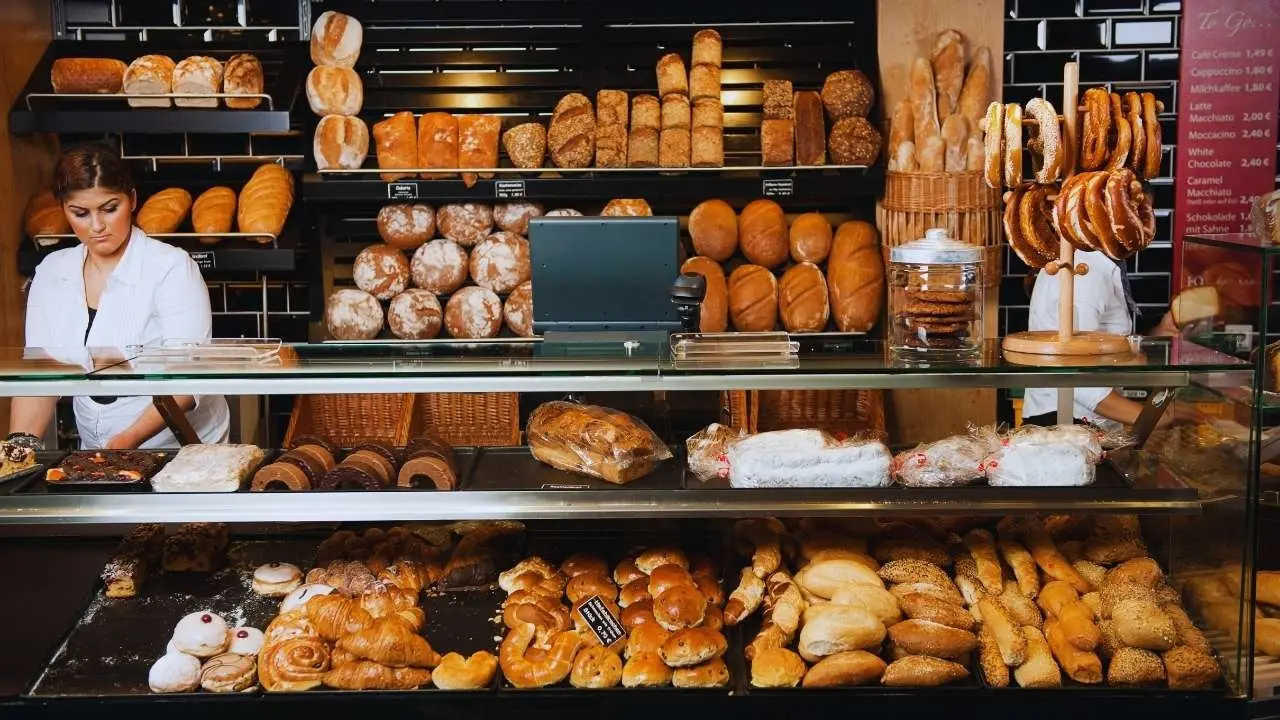
A Resurgence of Traditional Baking
Step into a neighborhood bakery today, and you might be greeted by the sight of rustic loaves, slowly fermented breads, and beloved classic recipes that had faded from view. From crusty sourdough to wholesome country loaves and artisanal buns, traditional bread styles are gaining traction once more.
For years, mass-produced bread reigned supreme, valued for its speed and affordability. Yet, as consumers grow increasingly conscientious about their food choices, traditional bread is experiencing a remarkable comeback. Bakeries are harking back to cherished recipes, utilizing hand-crafted techniques, and reintroducing nostalgic flavors that resonate strongly with customers.
Changing Tastes: Moving Away from Factory-Made Breads
Today's shoppers are more discerning than ever. They scrutinize labels, question ingredient lists, and prioritize the absence of additives and preservatives. As a result, many families are turning away from mass-produced options due to:
– Inclusion of stabilizers and preservatives
– A standard texture that lacks character
– Quick staleness
– An overly processed taste
Consumers now seek authenticity, desiring breads that lean towards natural ingredients. This shift in consumer enthusiasm has propelled local bakeries back into authentic, slow bread-making traditions.
The Health Factor Behind the Resurgence
Today's health-conscious consumers are opting for options that align with their wellness goals. Traditional breads often fit perfectly into this perspective, featuring:
– Fewer ingredients
– Extended fermentation periods
– Superior grains
– Handcrafted processes
– Absence of artificial components
Slow-fermented varieties like sourdough have garnered attention for their digestibility and nutrient richness, while country loaves made with whole grains or millet resonate with families seeking healthier meals.
Nostalgia in Every Bite
Traditional breads evoke strong emotional connections. They spark memories of childhood, local bakeries, and family kitchens. As families seek to reconnect with their culinary roots, nostalgic options like classic breads hold special significance.
Bakeries are often reviving recipes straight from the past, including:
– Old-fashioned milk breads
– Crusty pavs
– Wholegrain loaves
– Handcrafted buns
– Rustic breads
These products rekindle cherished memories, delivering comfort and familiarity.
Embracing the Slow Food Movement
The global slow food movement invites individuals to value thoughtfully prepared foods made through time-honored methods. This philosophy is strongly mirrored in traditional bread-making.
Time-consuming practices such as slow fermentation, hand kneading, and natural yeast cultures yield breads that showcase superior flavor, texture, and nutrition. Bakeries embracing these techniques cultivate a loyal following of consumers who value craftsmanship.
Bringing Classic Techniques Back
The resurgence of traditional breads isn't accidental; it reflects intentional strategies from both new bakers and longstanding family-run operations.
They are reviving:
– Natural fermentation via wild yeast
– Stone-ground flour options
– Hand-shaped loaves
– Wood or clay oven baking
– Ancient grain recipes
– Long-rest dough for texture enhancement
This dedication to authenticity aligns well with contemporary tastes for quality and flavor.
Exploring Regional Bread Varieties
Every region showcases its own traditional breads. Bakeries are proudly resurrecting local varieties that embody cultural heritage and geography. Once commonplace, these breads waned in popularity due to the rise of industrial options.
Some notable mentions include:
– Soft pavs from Western India
– Hearty ragi and jowar loaves
– Traditional Goan poee
– Rustic Himalayan sourdough
– Sweet milk breads from Bengal
– Coconut-infused buns from Kerala
These offerings allow customers to savor the essence of their cultural roots.
Utilizing Ancient and Local Grains
An exciting element in this revival is the reintroduction of underappreciated grains such as:
– Ragi
– Jowar
– Bajra
– Amaranth
– Barley
– Rye
– Buckwheat
These grains enhance nutritional profiles and bring depth to the flavor and texture of breads. As families gravitate towards healthier options over refined flour, bakeries are innovating by mixing these grains with wheat or producing entirely grain-based loaves.
Reimagining the Community Oven
Traditionally, bread emerged from small community ovens rather than commercial factories. Local bakeries are rekindling that sense of community.
More and more, consumers prefer fresh bread from their neighborhood bakers who:
– Bake in small batches
– Share beloved recipes
– Use familiar, quality ingredients
– Accept custom orders
– Foster personal connections with patrons
This bond enriches the community's appreciation for traditional bread.
Artisanal Bakers at the Helm
A fresh wave of bakers, many trained in culinary arts or self-taught, is championing the return of traditional baking. Their approach balances creativity with a deep respect for culinary customs.
These artisanal bakers tend to focus on:
– High-hydration doughs
– Natural leavens
– Hand-scoring techniques
– Small-batch production
– Unique signature loaves
By blending tradition with modern innovation, they offer consumers exciting options.
The Impact of Home Baking Culture
Recently, baking at home has surged. Social platforms are abuzz with bread-making tutorials and communities sharing their endeavors.
This movement has helped:
– Familiarize consumers with traditional breads
– Educate on dough, fermentation, and grains
– Foster appreciation for artisan products
– Motivate bakeries to broaden their selections
As public knowledge of bread increases, so does enthusiasm for local options.
Exceptional Taste and Texture
Traditional bread evokes remarkable sensory experiences:
– Crisp crusts
– Soft and airy interior
– Inviting aromas
– Unique sour or sweet notes
– Artisan-like appearance
– Rich flavor layers
Local bakeries employ crafts that elevate flavor without relying on artificial enhancers, making these breads stand apart from industrial alternatives.
Fitting into Modern Nutritional Patterns
Today, many people adhere to specific dietary choices such as:
– High-protein diets
– Low-GI preferences
– Plant-based lifestyles
– High-fiber regimens
– Gut-friendly options
– Low-gluten requirements
Traditional breads naturally accommodate these dietary needs through whole grains, fermentation, and minimal processing. This versatility has widened their appeal.
Integrating Bread into Meals
Families are shifting from viewing bread as merely a quick snack to featuring it prominently in their meals:
– Sourdough with hearty soups
– Wholegrain loaves alongside salads
– Multigrain bread for sandwiches
– Seeded breads for breakfast
– Rustic loaves paired with dips
This evolution enriches daily dining and promotes healthier eating habits.
Local Bakeries Emphasizing Sustainability
Traditional bread production often aligns with sustainable practices:
– Sourcing local grains
– Producing in small batches
– Minimizing food waste
– Implementing low-impact packaging
– Utilizing energy-efficient equipment
Environmentally aware customers are drawn to bakeries that prioritize responsible practices.
Building Community Through Workshops
Many bakeries now host workshops to share knowledge about:
– Sourdough techniques
– Fermentation fundamentals
– Nutritious grain baking
– Traditional shaping practices
These events foster loyal community ties and spark renewed interest in traditional bakeries.
Celebrating Seasonal Breads
Seasonal and festival breads are re-emerging, offering experiential delights tied to local traditions:
– Holiday loaves
– Autumn harvest specialties
– Festive milk buns
– Breads for special occasions
– Seasonal sesame treats
These additions expand cultural connections within bakery offerings.
The Sustainability of the Revival
The resurgence of traditional bread styles appears to be more than just a trend, supported by lasting factors such as:
– Increased health awareness
– Demand for genuine flavors
– Support for local enterprises
– Cultural pride
– Craftsmanship appreciation
– Shifts in how value is perceived
Society now regards bread as a significant part of life, transcending its status as just another product.
Community Heart: The Role of Local Bakeries
Beyond nourishing needs, local bakeries are vital connections within communities. They are spaces for socializing, for families, and for cultural engagement, transforming simple food consumption into shared experiences around traditional bread.
This emotional bond solidifies the revival into a lasting trend.
Disclaimer:
This piece aims to inform. Readers are encouraged to choose bakeries that prioritize hygiene and select breads suited to their diets.