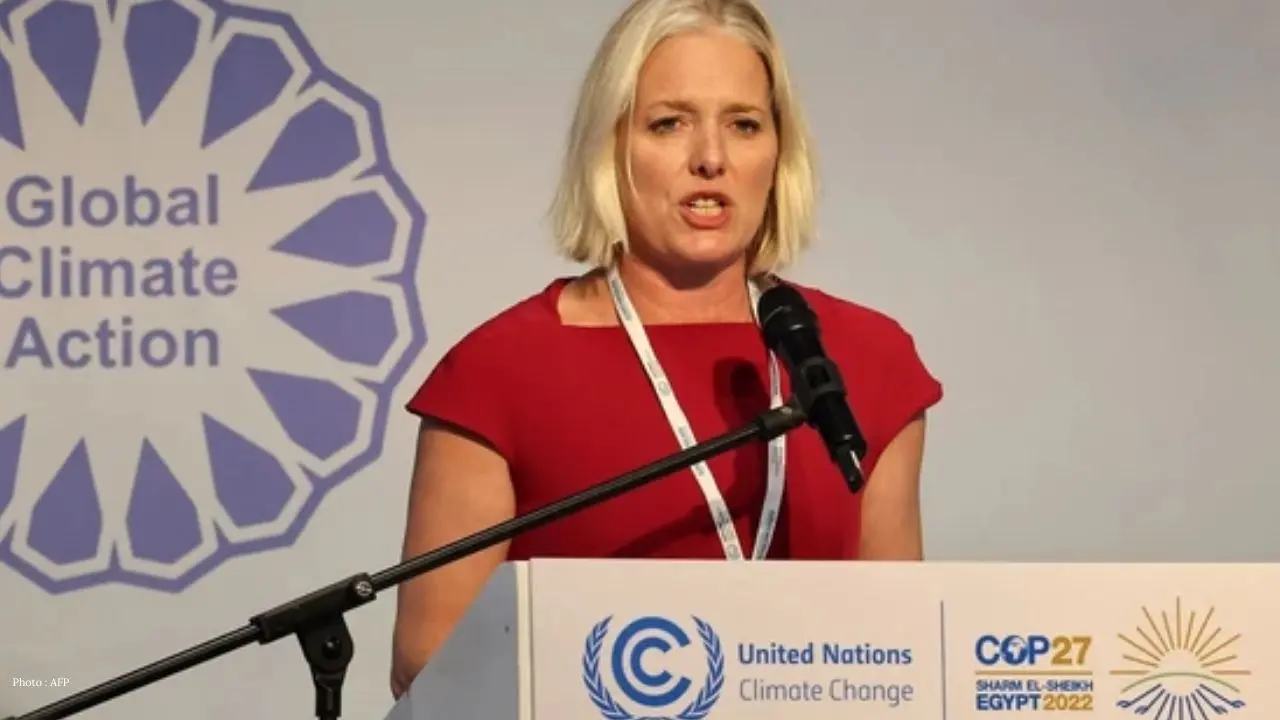
Former Canadian environment minister Catherine McKenna has raised concerns about the future of climate discussions inside Canada’s Liberal Party after the departure of Steven Guilbeault from a major government role. McKenna said that Liberal leaders and members who strongly believe in climate action now need to speak more openly and clearly about the climate crisis and its long-term impact on Canadians.
Steven Guilbeault has been one of the most recognized climate-focused voices in Canadian politics for years. During his time in government, he supported policies linked to reducing emissions, protecting the environment, and pushing Canada toward cleaner energy goals. His political role often placed climate change at the center of national discussions, especially during debates over carbon pricing, oil production, and green energy investment.
After Guilbeault stepped away from a leading cabinet position, McKenna warned that climate issues could slowly lose importance inside political conversations if strong voices do not continue speaking publicly. She said climate change remains one of the biggest challenges facing Canada and the world, and political leaders should not avoid discussing it because of public pressure or changing political trends.
McKenna explained that many Canadians are already experiencing the effects of climate change through wildfires, extreme heat, floods, and other severe weather events. According to her, governments must continue working on environmental policies while also balancing economic growth and energy needs. She stressed that silence on climate issues could weaken public awareness at a time when global climate concerns are increasing.
The comments come during a period when Canadian politics is seeing stronger debate over environmental rules, energy projects, and the future of carbon taxes. Some political groups believe climate policies are becoming too expensive for families and businesses, while others argue that delaying action could create bigger environmental and economic problems in the future.
McKenna also suggested that younger voters and environmental supporters are closely watching how political parties respond to climate challenges. She said many citizens expect leaders to present clear plans on clean energy, emissions reduction, and environmental protection instead of avoiding difficult conversations. Her remarks highlight growing pressure within Canadian politics to keep climate change as a major national priority.
The Liberal Party has often promoted itself as supportive of environmental action, but internal disagreements over energy development and climate policies have sometimes created political tension. Analysts believe Guilbeault’s reduced role may open a wider debate about how strongly the party will continue defending aggressive climate goals ahead of future elections.
Political observers say climate policy is likely to remain a key issue in Canada because of rising environmental concerns and international pressure for cleaner energy transitions. McKenna’s comments have already started discussion among Liberal supporters and environmental groups about whether the party needs stronger public leadership on climate action moving forward.
As climate discussions continue across Canada, many experts believe political parties will face increasing pressure to explain how they plan to balance economic stability with environmental responsibility. McKenna’s message reflects growing concern among climate advocates that political silence could slow progress at a time when many countries are increasing efforts to fight climate change.