Lebanon finds itself in a precarious situation as its internal political fragmentation hampers progress on negotiations with Israel. These rifts have also complicated Saudi Arabia's role as a mediator, making it increasingly challenging to achieve peace.
Recent events indicate that Lebanon’s leadership is far from united in approaching Israel. While some officials advocate for open dialogue, proposing that negotiations could ease tensions and forestall future conflicts, others vehemently oppose engaging directly, fearing it might jeopardize Lebanon's standing and overlook longstanding grievances.
This disunity creates a formidable hurdle. A lack of consensus complicates Lebanon’s ability to engage in substantial discussions, as effective negotiations hinge on robust domestic backing.
A key factor driving this division is the varied influence of political factions within Lebanon. Certain leaders are amenable to discussing limited agreements aimed at de-escalation or a ceasefire, while others outright dismiss any notion of formal discussions or peace accords.
Hezbollah, a powerful entity in Lebanon, staunchly opposes any normalization efforts with Israel. Its entrenched position adds layers of difficulty to the situation, as it resonates with a significant segment of both political and public opinion.
The internal discord has severely impacted Saudi Arabia's initiatives to foster dialogue. Saudi officials have been striving to unite Lebanese leaders and advocate for a collective approach, but these efforts have yet to yield any substantive consensus, underscoring the profound divisions at play.
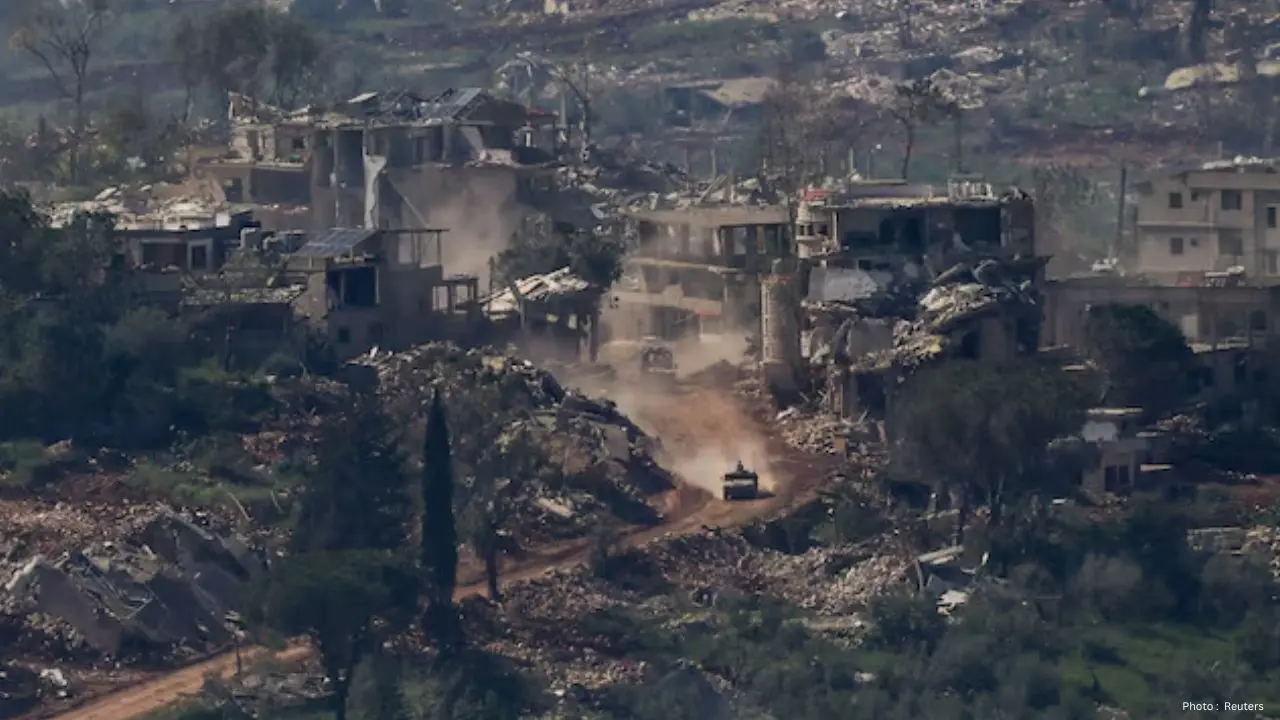
Compounding the issue is an enduring state of tension. Although a ceasefire exists, it remains tenuous, and the specter of conflict looms large, with sporadic incidents and military escalations contributing to the prevailing uncertainty.
The ramifications of this ongoing unrest are evident in Lebanon, which has been grappling with years of economic distress and political chaos. The combination of conflict and insecurity exacerbates the challenges faced by the populace, already burdened by soaring prices and dwindling opportunities.
This internal schism is not a new phenomenon; Lebanon has long been characterized by political disparities tied to sectarian and regional narratives. Such differences thwart decisive action, particularly in crises.
The current landscape illustrates the critical importance of internal unity for any peace initiative. While external support is vital, meaningful progress relies heavily on consensus within Lebanon itself. Without solidarity, establishing trust and advancing negotiations become nearly impossible.
Saudi Arabia's involvement in navigating this crisis is crucial yet delicate. While it endeavors to stabilize the situation, it must tread carefully—excessive pressure could heighten tensions, while an overly cautious approach may stall potential advancements.
The broader regional context also exacerbates Lebanon's plight. Ongoing conflicts across the Middle East exert additional pressure, complicating Lebanon's strategic decisions.
For ordinary Lebanese citizens, the emphasis lies on the everyday struggles of life. A backdrop of economic instability, uncertainty, and historical conflict makes existence challenging. Many yearn for stability, yet political schisms persist, obstructing any clear trajectory forward.
Different factions view negotiations with Israel through varied lenses; for some, it represents a pathway to peace, while others perceive it as fraught with risks. This divergence epitomizes the larger difficulties in reconciling national interests with prevailing political dynamics.
Lebanon now stands at a pivotal juncture. The question looms: can the country unite its leadership and pave the way to consensus, or will it continue to grapple with division and uncertainty?
Charting the course ahead demands judicious choices, decisive leadership, and a commitment to finding common ground. Absent these elements, the quest for peace and stability may continue to encounter significant roadblocks.