Kohinoor Diamond: From Indian Crown to British Controversy
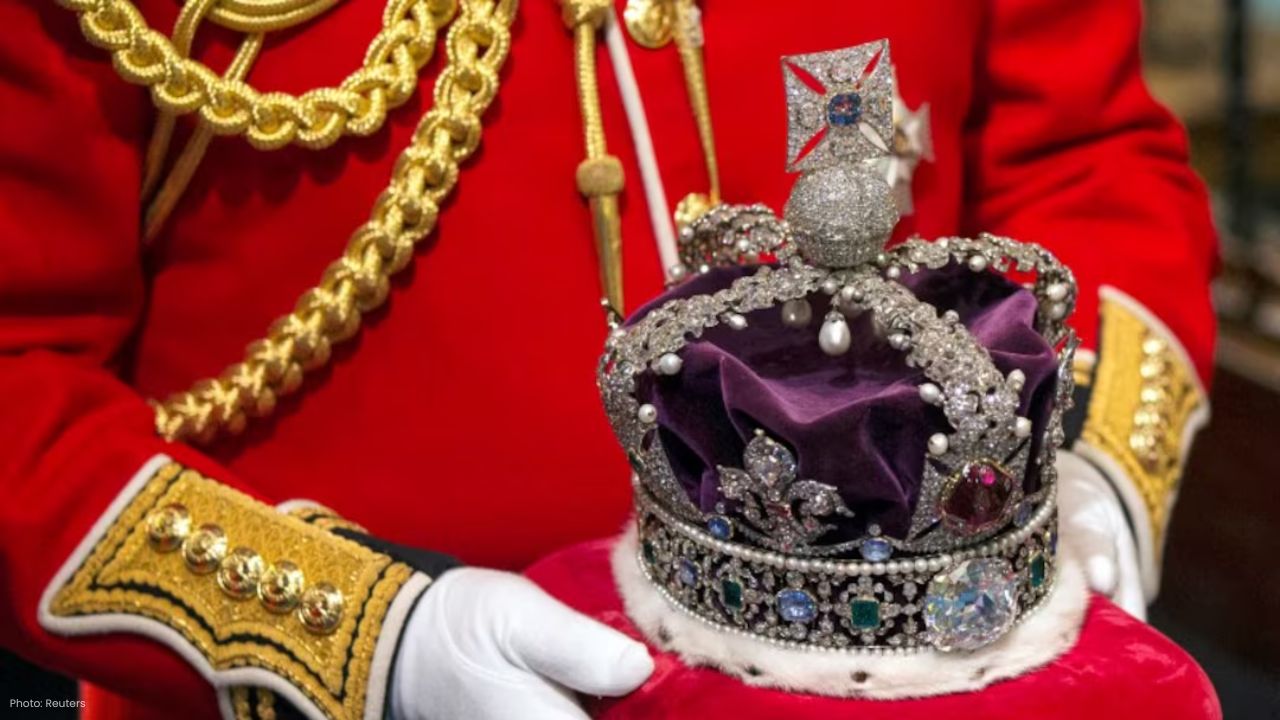
The Kohinoor diamond, one of the most famous gemstones in the world, carries a history steeped in royalty, intrigue, and controversy. Weighing 105.6 carats, this flawless D-color diamond is an iconic symbol of power and heritage. Currently, it forms the centerpiece of the British Crown Jewels in the crown of Queen Elizabeth the Queen Mother, drawing fascination from historians, jewel enthusiasts, and the public worldwide.
Origins: The Jewel of Indian Heritage
The journey of the Kohinoor diamond begins in the Kollur mines of Andhra Pradesh, India, during the 13th century. Originally weighing an astonishing 793 carats, it was renowned even in ancient times for its unmatched clarity and brilliance. Over centuries, it changed hands multiple times, passing through the vaults of Mughal emperors, Persian rulers, and finally the Sikh Maharaja Ranjit Singh. The diamond’s turbulent history reflects centuries of conquest, trade, and political power shifts in South Asia.
Following the British annexation of Punjab in 1849, the diamond was ceded to the British under the Treaty of Lahore, marking a turning point in its history. From this point, the Kohinoor entered the British royal collection, forever entwining its story with colonial legacy and international debates.
Transformation into a Brilliant Gem
In 1852, Queen Victoria ordered the Kohinoor to be recut to enhance its brilliance. This decision reduced its weight to 105.6 carats but resulted in the sparkling oval brilliant cut that dazzles today. The recutting not only enhanced its beauty but also aligned it with European tastes of the era, cementing its status as a crown jewel of unparalleled elegance.
The diamond’s refinement into a flawless, transparent gem ensured it became the center of attention in royal ceremonies and a symbol of power and prestige for the British monarchy.
Royal Legacy Across Centuries
The Kohinoor diamond has adorned several royal crowns over the years. It was first mounted in the crown of Queen Alexandra in 1911, followed by Queen Mary’s crown, and eventually the crown of Queen Elizabeth the Queen Mother. Notably, the diamond was prominently featured in the coronation of Queen Elizabeth II in 1953, cementing its status as one of the most recognizable gemstones in the world.
Beyond its physical beauty, the Kohinoor symbolizes authority, prestige, and the enduring legacy of the British monarchy. Its placement in crowns worn by queens highlights its association with feminine power and royal elegance.
Controversies and Ownership Claims
The Kohinoor diamond is not just prized for its beauty—it is also at the center of one of the longest-running ownership disputes in history. India, Pakistan, Iran, and Afghanistan have all claimed the diamond at various times, arguing that it was taken under duress during British colonial rule.
These claims are fueled by historical grievances and the desire to reclaim cultural heritage. Despite these demands, the British government maintains that the diamond was legally acquired and has refused to return it. The Kohinoor thus remains a symbol of colonial-era controversies and ongoing debates about historical restitution.
Value Beyond Measure
While modern gemstones can be appraised monetarily, the Kohinoor's value transcends price. Experts estimate its worth at over €140 million, yet its historical and cultural significance makes it truly priceless. It is not only a jewel of incredible brilliance but also a symbol of centuries of history, artistry, and political power.
Myths and Legends Surrounding Kohinoor
Legends surrounding the Kohinoor add to its mystique. According to popular belief, the diamond brings misfortune to male owners but prosperity to female possessors. This myth has fascinated generations and has only increased the allure and intrigue surrounding the Kohinoor, making it as legendary for its stories as for its sparkle.
Public Display and Significance
Today, the Kohinoor is displayed in the Tower of London as part of the British Crown Jewels. It attracts millions of visitors each year, offering a glimpse into its storied past and serving as a tangible connection to centuries of history. Its presence continues to spark debates about rightful ownership while also captivating audiences with its unmatched beauty.
Ongoing Debates and Legacy
The question of who truly owns the Kohinoor remains unresolved. While the UK maintains its legal possession, the calls for repatriation continue, reflecting broader conversations about colonial history, justice, and cultural heritage. The diamond’s story reminds the world of the complex interplay between beauty, power, and history.
The Kohinoor diamond is more than a gemstone. It is a symbol of cultural heritage, a testament to human craftsmanship, and a jewel intertwined with centuries of history. Its journey from Indian mines to British crowns embodies stories of conquest, colonialism, and enduring fascination, making it one of the most legendary and discussed diamonds in the world.
Disclaimer
The information in this article is for educational and informational purposes only. CNI strives for accuracy, but readers are encouraged to verify historical facts and claims independently. Opinions expressed do not constitute legal or professional advice.