Photo: AP
Klarna Steps Into Wall Street
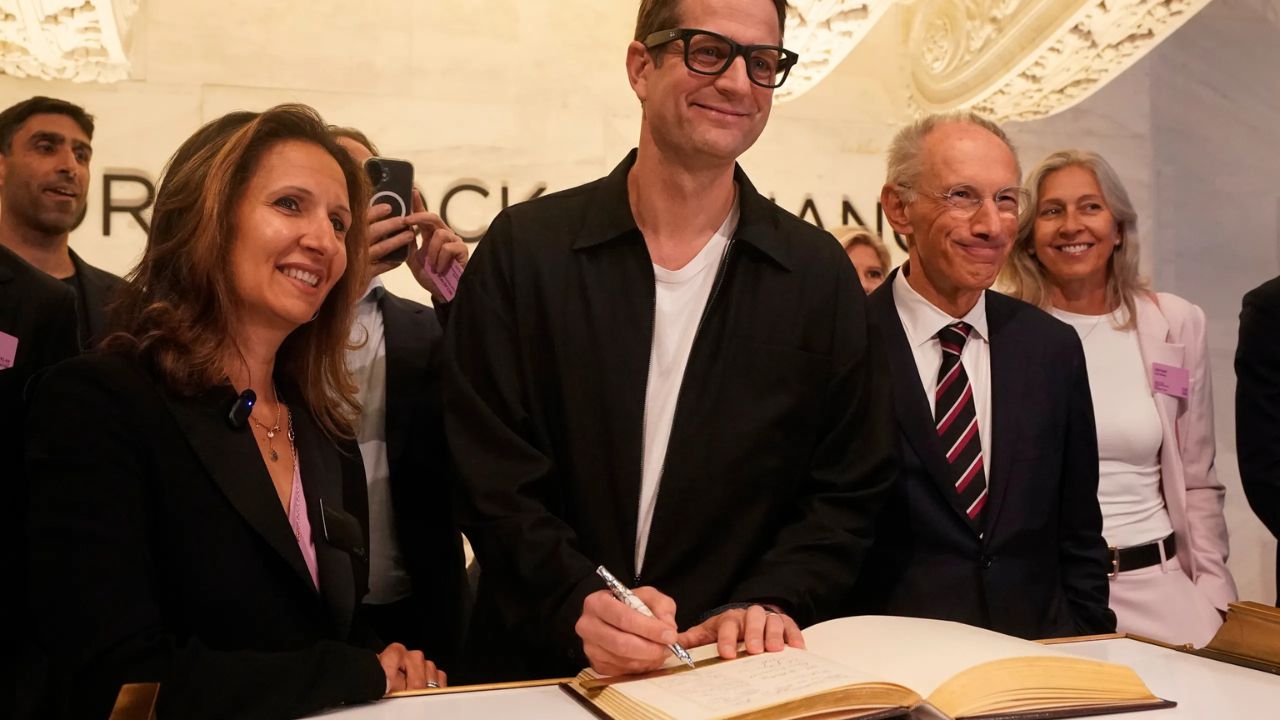
Klarna, the Swedish company known for its “buy now, pay later” service, has officially gone public. On Wednesday, September 10, 2025, the company made its debut on the New York Stock Exchange (NYSE). This moment was highly awaited in financial circles, and it turned out to be the largest initial public offering (IPO) of 2025.
The company priced its shares at $40 each, above the expected range of $35–$37. Klarna sold 34.3 million shares, raising around $1.37 billion. This deal gave Klarna a market value of more than $15 billion before trading began. When shares opened, they jumped 30 percent higher, pushing the company’s valuation close to $19.65 billion.
Why This IPO Matters
The listing is not only big news for Klarna but also for the entire financial technology industry. Klarna’s IPO is the largest of the year, showing investor interest in new financial services even in a competitive market.
2025 has been a busy year for stock listings. Other notable IPOs included Figma, the design software company, and Circle Internet Group, which manages the USDC stablecoin. More big names like StubHub and Gemini are expected to follow later this year.
Klarna’s successful debut adds momentum to this wave of public offerings.
Klarna’s Journey From Sweden to Wall Street
Klarna started in 2005 in Sweden as a small payments company. Over time, it became one of the most recognizable names in the buy-now-pay-later (BNPL) sector.
The company entered the United States market in 2015, partnering with Macy’s, a well-known department store chain. Since then, Klarna has spread across hundreds of thousands of merchants worldwide. Today, it works with major retailers, online platforms, and even supermarkets like Walmart.
Klarna now boasts 111 million users globally, making it one of the largest BNPL companies in the world.
What Makes Klarna Different?
Klarna’s most famous service is its “Pay-in-4” plan. With this, customers split a purchase into four payments spread over six weeks. Unlike credit cards, this short-term plan usually avoids high interest. Klarna also offers longer-term loans with interest for bigger purchases.
CEO Sebastian Siemiatkowski has long argued that Klarna is a better alternative to credit cards, which he sees as expensive and risky for consumers. “It’s the largest consumer market in the world, and it’s the biggest credit card market in the world,” he said about expanding in the US.
The company hopes to attract shoppers who dislike credit cards or prefer more flexible payment options.
A Growing Market – and Rising Concerns
The BNPL model has become very popular in recent years, especially among younger buyers. Klarna, along with its US rival Affirm, is trying to change how people shop. Investors believe these companies could take market share from traditional banks and credit card firms.
But not everyone is convinced. Consumer groups and regulators worry that BNPL services may encourage people to borrow more than they can repay. Governments in both the US and Europe are watching closely.
Klarna says it is aware of these concerns. The company claims that the average balance of its users is less than $100 and that its loans are short, so risks are easier to manage. Klarna reported a delinquency rate of just 0.89% for short-term loans and 2.23% for longer loans, both lower than the average rates on credit cards.
Klarna’s Financial Health
Ahead of its IPO, Klarna reported $823 million in revenue for the second quarter of 2025 and an adjusted profit of $29 million. These numbers helped build confidence among investors.
The company now becomes the second-largest BNPL company by market value, right behind Affirm, which is worth around $28 billion. Shares of Affirm have already risen more than 40% this year. Klarna’s strong debut suggests investors believe BNPL firms have room to grow further.
Why New York, Not Stockholm?
Some may wonder why Klarna, a Swedish company, chose to list in New York instead of Stockholm. The answer is simple: the US is the world’s biggest market for consumer credit. Klarna wants to grow faster in America and compete directly with credit card giants.
By listing in the US, Klarna sends a clear signal that it sees American shoppers as its future.
What This IPO Means for the Future
Klarna’s debut shows that investors are still excited about fintech, even with concerns about regulations. The company’s ability to raise over a billion dollars in its IPO proves there is confidence in the BNPL model.
For consumers, this means BNPL services will likely become even more common. More stores will offer Klarna at checkout, and shoppers will see it as a normal part of online and in-store purchases.
At the same time, Klarna’s rise will push regulators to create stricter rules to protect consumers from falling into debt. This balance between growth and regulation will define the next stage of the BNPL industry.
Editorial View
Klarna’s IPO is not just a business story; it is a signal of how shopping and payments are changing worldwide. The company’s growth shows that millions of people want alternatives to credit cards. But it also raises questions: will easy installment plans make life better for consumers, or will they create new debt problems?
Klarna’s leadership says it is ready to manage risks and act responsibly. If true, this could mark a turning point in how we pay for everyday items. The next few years will decide if Klarna can truly live up to its promise of being a safer and smarter option than credit cards.
Klarna’s record-breaking IPO is a major moment for fintech and global finance. With its bold entry into the New York Stock Exchange, Klarna has placed itself at the heart of the world’s largest consumer market.
For shoppers, this may mean more freedom and more choices. For investors, it signals that BNPL is not just a trend but a growing industry. For regulators, it is a reminder to watch closely.
One thing is certain: Klarna has just begun a new chapter in its journey, and the world will be watching.