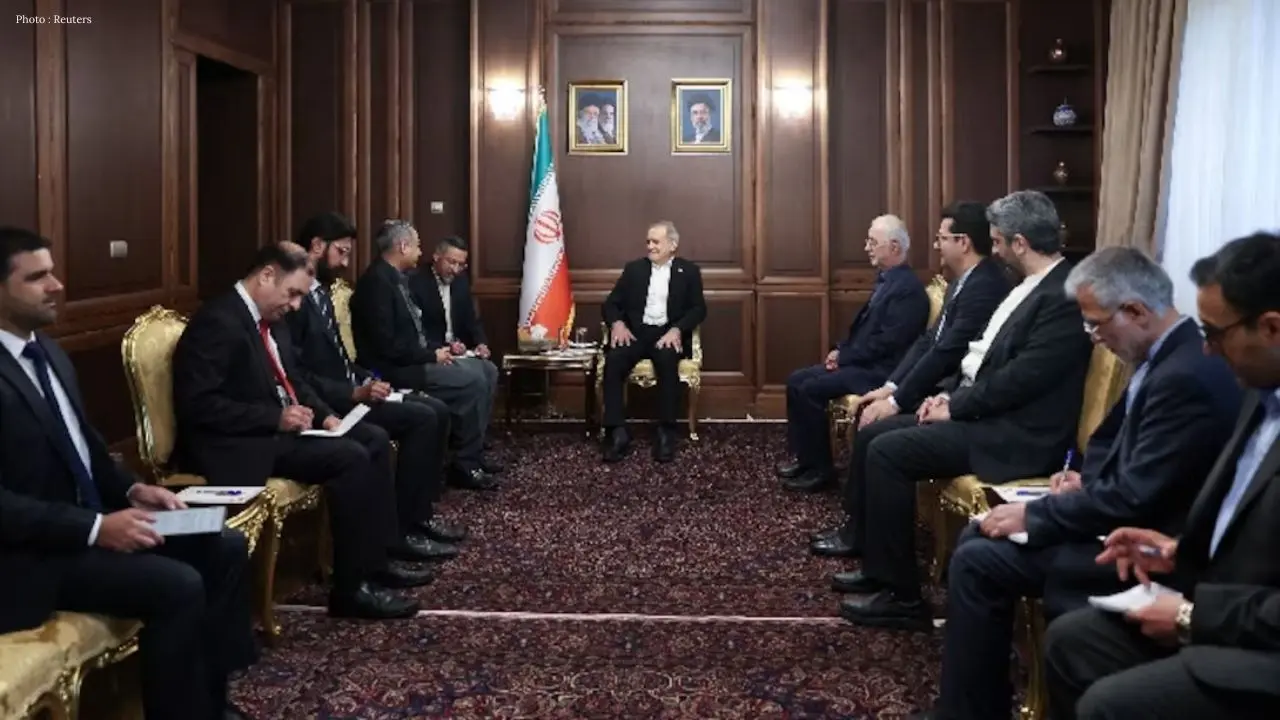
The United States and Iran are moving closer to a possible 60-day agreement aimed at reducing tensions after nearly three months of military conflict in the Middle East. The proposed deal is currently being discussed through indirect negotiations involving regional mediators, and officials say it could become one of the most important diplomatic developments since the war began earlier this year.
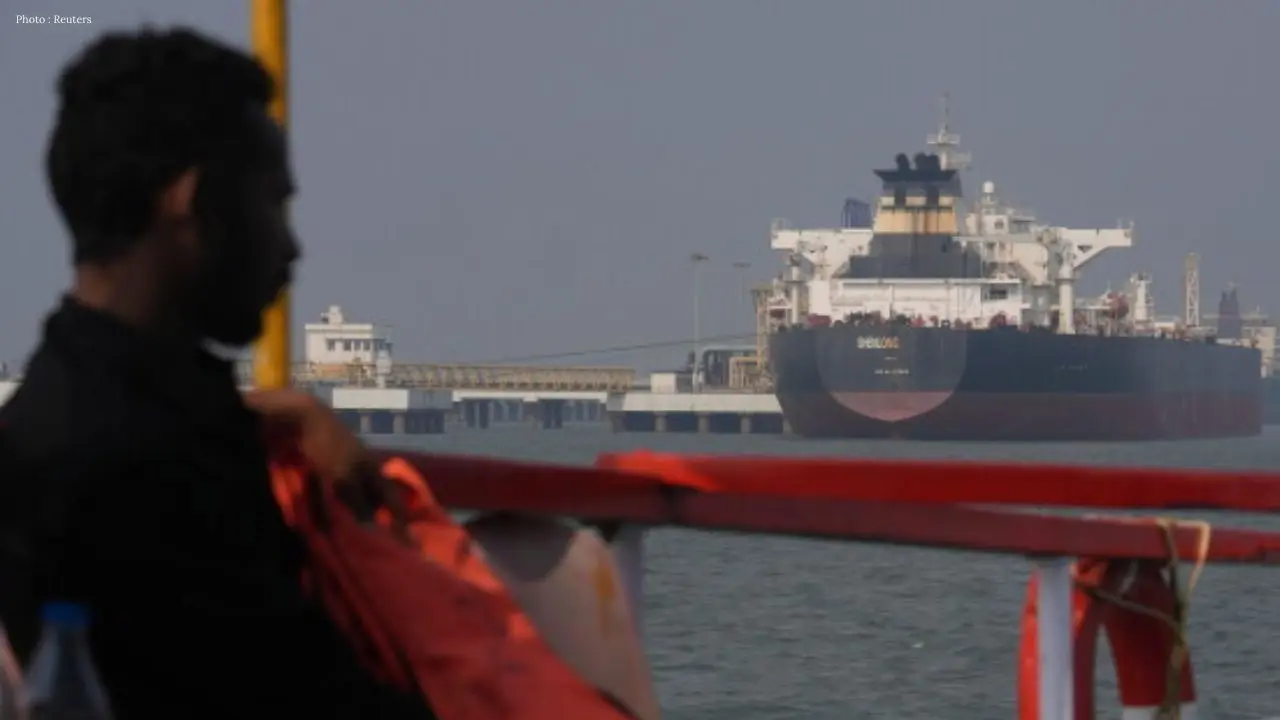
According to reports, the proposal mainly focuses on extending the current ceasefire for another 60 days while both countries continue negotiations on larger political and security issues. One of the biggest priorities in the discussions is the reopening of the Strait of Hormuz, a critical global shipping route that handles a large share of the world’s oil exports. The waterway has faced major disruption during the conflict, causing fears of global energy shortages and rising fuel prices worldwide.
Under the draft framework, Iran would reportedly allow free movement of commercial ships through the Strait of Hormuz and remove naval mines placed during the conflict. In return, the United States may ease some economic restrictions, including limited sanctions relief and reduced pressure on Iranian ports and oil exports. Reports also suggest discussions are taking place about unfreezing some Iranian financial assets currently blocked under international sanctions.
Another major part of the proposal involves Iran’s nuclear program. American officials are reportedly demanding that Iran stop producing highly enriched uranium and agree to strict monitoring measures during the negotiation period. Some reports claim Iran may also discuss reducing or eliminating parts of its enriched uranium stockpile as part of confidence-building measures. However, Iranian officials continue insisting that the country’s peaceful nuclear rights must be respected.
The talks are being supported by several regional countries, including Pakistan, Qatar, Saudi Arabia, Turkey, Egypt, and the United Arab Emirates. Pakistan has reportedly played an important role in communication between Washington and Tehran during the negotiations. Sources say the proposed agreement may begin with a temporary ceasefire phase before moving into wider talks on long-term peace and regional security.
Despite progress, important disagreements still remain between both sides. Iran has publicly denied some claims that a final agreement has already been reached, while US officials have also admitted that the proposal still requires approval from President Donald Trump before becoming official. Political pressure inside the United States has also increased, with some Republican leaders criticizing any agreement that could provide sanctions relief to Tehran.
The proposed deal comes after months of military escalation involving US strikes, Iranian missile attacks, naval tensions in the Gulf region, and fears of a wider Middle East war. Global oil markets have reacted strongly to every update in the negotiations because the Strait of Hormuz remains one of the world’s most important trade routes for energy supplies. Recent reports showing possible diplomatic progress have already caused oil prices to fall slightly in international markets.
Experts believe the next few days could become critical for the future of the region. If both countries formally accept the 60-day proposal, it could create an opportunity for longer-term negotiations on sanctions, nuclear restrictions, regional conflicts, and economic stability. However, continued military incidents or political disagreements could still collapse the fragile talks at any moment.