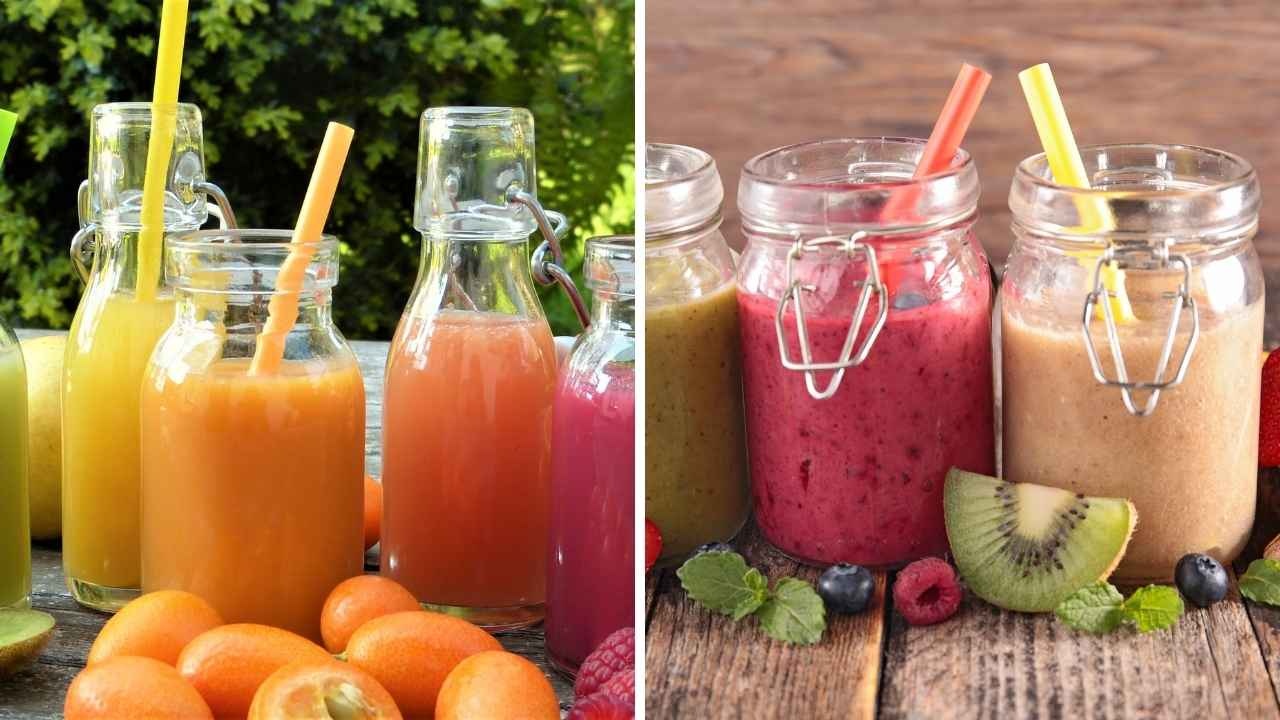
Juices vs Smoothies: Unpacking the Healthier Choice
When discussing healthy beverages, juices and smoothies are frequently in the limelight. They are vibrant, invigorating, and packed with nutrients. But the pressing question remains: Which is actually the healthier option — juice or smoothie?
With a rising focus on fitness and wholesome eating, this inquiry has gained popularity. Here’s a straightforward guide that highlights the distinctions in an engaging manner.
How Do Juices and Smoothies Differ?
While both beverages stem from fruits and vegetables, their preparation methods set them apart completely. This leads to different physiological responses in the body.
Defining Juice
Juice is created by extracting the liquid from fruits and vegetables through pressing or squeezing. The result is:
-
A light, smooth beverage
-
Rich in vitamins
-
Minimal to no fiber
Common varieties include orange, apple, carrot, and assorted cold-pressed blends. It's often favored in the morning or for a quick energy boost due to its rapid digestion.
What Constitutes a Smoothie?
A smoothie, on the other hand, blends the whole fruit or vegetable, keeping all of its fiber intact. It often consists of:
-
Fruits and vegetables
-
Yogurt or milk
-
Oats
-
Nuts or seeds
This results in a thick, creamy texture that makes smoothies more satisfying than juices.
Nutritional Insights: Fiber, Vitamins, and Beyond
Both drinks are nutritious but have different impacts on the body.
Vitamins Content
Both smoothies and juices are good sources of vitamins and antioxidants. However:
-
Juice delivers nutrients to the body rapidly.
-
Meanwhile, smoothies provide a slower release of nutrients, offering sustained energy.
Fiber: The Fundamental Differentiator
Here’s where smoothies shine. Juices typically lack fiber, while smoothies retain it.
Fiber benefits your system by:
This is a significant reason why nutritionists often prefer smoothies to juices.
Understanding Sugar Levels
Natural sugars can be impactful too.
-
Juices often have a higher sugar content per serving due to the amount of fruit used.
-
Sugars in smoothies are moderated by fiber, allowing for gradual absorption into the bloodstream.
As a result, for those mindful of their sugar intake, smoothies typically offer a more balanced option.
Which Drink Offers Longer Satiety?
Smoothies cling to your stomach longer due to their fiber and potential ingredients like oats or yogurt. This is why many consider them a quick meal solution, staving off hunger for hours.
On the contrary, juices are refreshing but may not provide the same level of fullness, leaving drinkers feeling hungry shortly after.
Appropriate Times to Consume Juice
Juice is best when you need:
It is often consumed early in the day or following physical exercise.
Optimal Timing for Smoothies
Smoothies are ideal for:
They cater well to those with busy lifestyles or active routines.
Who Should Opt for Juices?
Juices can be beneficial for:
-
Individuals with delicate stomachs
-
Those recuperating from illness
-
People who can't consume whole fruits easily
-
Anyone needing quick nutrients without fullness
Who Should Prefer Smoothies?
Smoothies are an excellent choice for:
-
Weight loss seekers
-
Gym enthusiasts
-
Children needing extra nutrition
-
Those in pursuit of better digestion
-
Individuals aiming for prolonged energy
Be Aware of Possible Risks
Both beverages are nutritious; however, overconsumption can lead to issues.
Detriments of Excessive Juice Consumption:
Detriments of Excessive Smoothie Consumption:
As with everything, moderation is key.
Expert Perspective: Which Is Better for Health?
Most nutritionists assert that smoothies are generally the healthier option, as they preserve the full fruit, especially its fiber, and keep you satiated longer.
However, fresh vegetable juices can also be quite nutritious in moderation.
Some experts suggest that the ideal approach is to enjoy both, tailored to your body's requirements each day.
Ways to Enhance Both Beverages’ Health Benefits
-
Opt for whole, fresh fruits rather than processed mixes
-
Steer clear of adding refined sugars
-
Incorporate leafy greens like spinach into your smoothies
-
Use water, milk, or coconut water as your base
-
Maintain sensible portion sizes
For scientific nutrition insights, platforms like Healthline provide trustworthy information.
So, when it comes to juices vs smoothies — which is healthier?
If your aim is enduring energy, improved digestion, and increased fiber intake, smoothies take the crown.
If you prioritize swift vitamins and hydration, freshly squeezed juice stands as a great ally.
Both beverages can contribute positively to a healthy lifestyle. Ultimately, the best choice aligns with your personal needs, schedule, and daily goals.
Disclaimer
The data featured in this article is intended solely for educational purposes and should not replace medical or dietary advice. Individual health requirements vary; those with medical conditions should consult qualified health professionals before making dietary adjustments. The insights shared here represent general nutrition information and are not a substitute for expert recommendations.