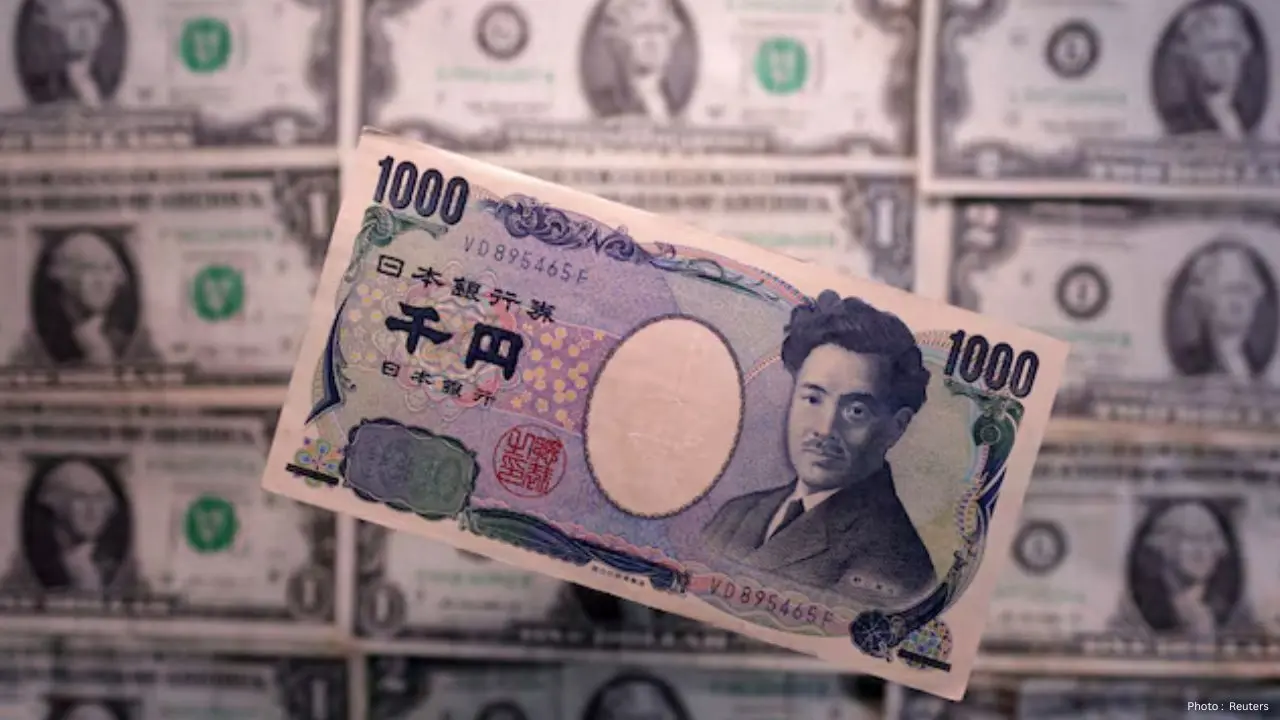
Japan has signaled its readiness to intervene in currency markets to stabilize the yen, despite the International Monetary Fund's (IMF) classification of it as a floating exchange rate. The nation’s leading foreign exchange official emphasized that this designation does not prevent Japan from taking necessary actions in the market.
This announcement comes as the yen experiences significant pressure in international currency circles. Recently, the yen has weakened considerably against the US dollar, raising concerns about climbing import costs and potential economic instability.
Japanese authorities are diligently observing market dynamics and have cautioned that intervention might occur should the yen's value fluctuate too dramatically. Such intervention refers to the government buying or selling its currency to influence its market value.
The IMF categorizes currencies based on their management; a floating exchange rate indicates that market forces primarily dictate a currency's value. Nevertheless, Japan asserts that even within a floating system, governments retain the right to act during extreme market conditions.
The forex chief of Japan clarified that the IMF's classification does not restrict countries from responding to erratic market movements. He emphasized the need to prevent disruptive changes that could adversely affect the economy rather than fixating on controlling the currency continuously.
A weaker yen poses both challenges and opportunities for Japan. Although it raises import prices for essential goods like fuel and food, thus increasing consumer inflation, it can also benefit exporters. Japanese firms selling overseas may see increased profits when converted back into yen, supporting economic growth.
Conversely, sudden or unexpected fluctuations in currency values can induce uncertainty in the financial world. This unpredictability complicates business planning and can make investors wary, which is why governments may step in to stabilize markets.
Japan has a notable history of taking action in currency markets during tumultuous times. In previous scenarios, authorities have bought yen to bolster its value when it dropped too rapidly. Such measures are often coordinated with central banks and scrutinized by global financial officials.
The current situation is also shaped by various global economic influences. The differing interest rates between Japan and the United States significantly impact the yen's strength. While the US Federal Reserve has increased rates to manage inflation, Japan has maintained relatively low rates to foster economic growth.
This disparity bolsters the appeal of the US dollar for investors, resulting in a weaker yen. Consequently, Japan faces pressure to oversee its currency without disrupting global market stability.
The remarks from Japan's forex chief aim to convey a message to the market: by demonstrating readiness to act, authorities hope to mitigate excessive speculation related to the yen. In some instances, strong verbal warnings alone can sway market behavior.
Experts anticipate that Japan will proceed with caution. Direct currency intervention is often a last resort, employed only when market conditions reach extremes. Typically, governments rely on communication and policy adjustments to direct market behavior.
The IMF plays a critical role in regulating global currency practices. While advocating for flexible exchange rates, it permits nations to intervene during instances of disorderly market movements that threaten economic integrity.
Japan's stance reflects a careful equilibrium between adhering to global financial standards and safeguarding national economic goals. The government is keen on ensuring stability while avoiding unnecessary strains in international markets.
This situation underscores the intertwined nature of global economies, where currency shifts in one country can significantly impact trade, investments, and financial markets around the world. This reality amplifies the need for coordination and transparent communication among nations.
For the time being, Japan is attentively monitoring the yen alongside global market shifts. While officials are prepared to act when necessary, they also exercise caution regarding the timing and consequences of any intervention.
Japan’s message is unequivocal: although the yen operates under a floating exchange rate system, the government is ready to intervene if market fluctuations become severe. Maintaining stability remains the foremost objective as global economic environments evolve.