Escalating Tensions: US Targets Iranian Tanker Amid Trump's Strong Warning
Recent events have seen a spike in tensions in the Middle East as the United States reportedly struck an Iranian-flagged oil tanker. This action comes amid intensifying pressure on Tehran to consider a new peace deal related to the ongoing regional strife. Simultaneously, President Donald Trump issued a stark warning to Iran, cautioning that failure to accept the terms could lead to escalated military engagement.
This incident adds another layer of complexity to an already tenuous situation surrounding the Strait of Hormuz, global oil trade, and the delicate talks between Washington and Tehran. Economies and leaders are keeping a close eye on the evolving situation as apprehensions about regional instability deepen.
Details of the Tanker Incident
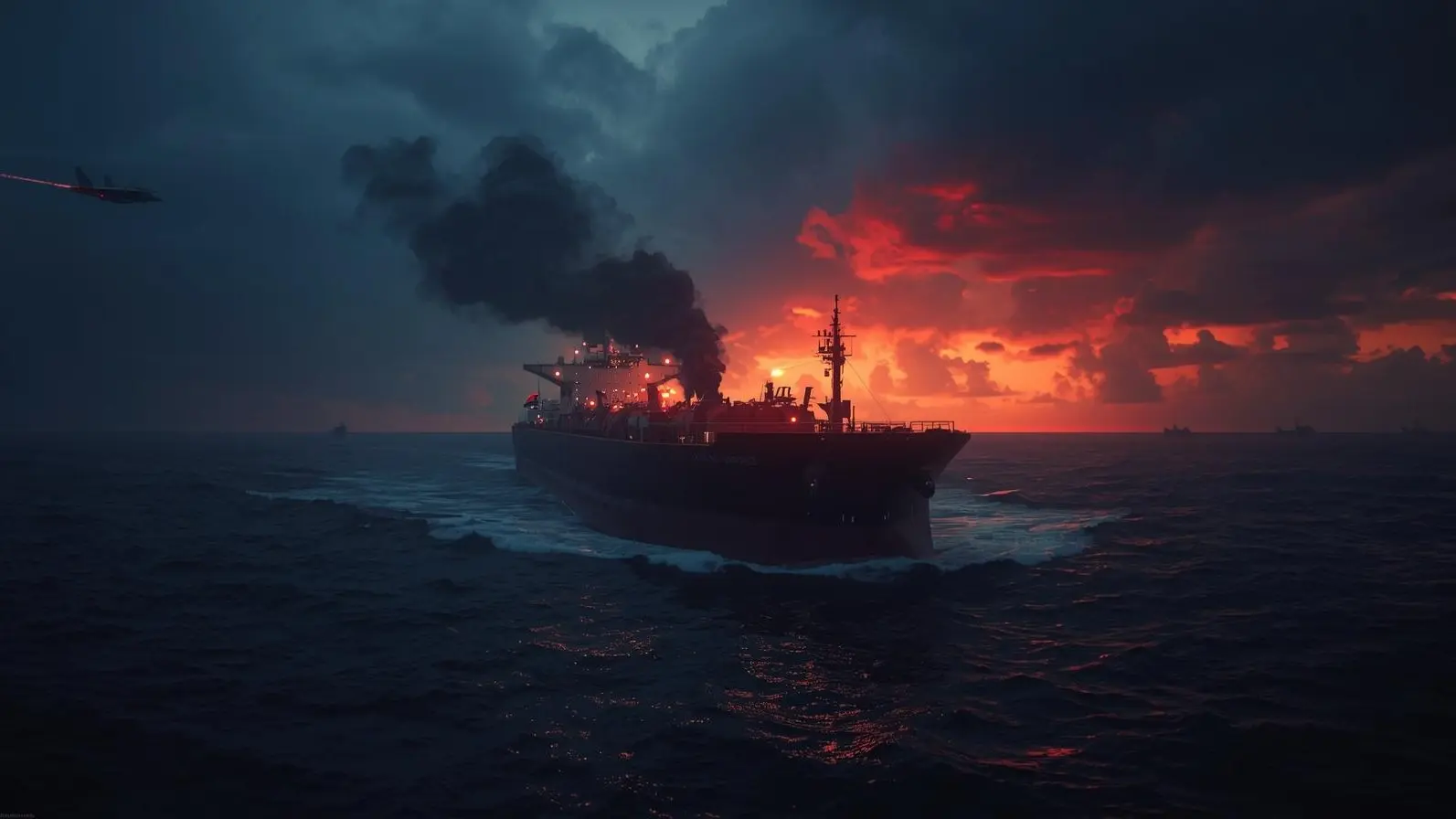
Reports indicate that US military forces engaged with an Iran-linked tanker that allegedly attempted to breach a US-imposed maritime blockade near Iran’s ports. The tanker reportedly transmitted ignored warnings before action was taken.
The vessel was operating close to the Strait of Hormuz, a vital oil shipping corridor that has become a focal point of military tension and restrictions on maritime navigation.
US officials claim this was part of broader operations aimed at putting economic and military strain on Tehran as negotiations progress.
Trump’s Strong Message to Iran
In the wake of the tanker strike, Trump delivered a formidable message to Iranian authorities, asserting that Tehran must accept the terms or face intensified military action.
Sources say Trump commented that compliance with the proposed deal might lessen military pressure and restore maritime operations; however, refusal could lead to unprecedented bombing strikes.
This warning underscores the escalating frustration in Washington over stalled negotiations and the continuing volatility in the region. The President insists that peace can be achieved swiftly if Tehran embraces US-backed proposals concerning security and its nuclear agenda.
The Importance of the Strait of Hormuz
The rising tensions significantly revolve around the Strait of Hormuz, an essential transit point through which a considerable portion of global oil is shipped.
Minor disturbances in this area can have far-reaching effects on:
Global oil pricing
International shipping channels
Worldwide energy markets
Supply chains across Asia, Europe, and the Middle East
Recent military maneuvers and maritime restrictions have already destabilized global energy markets, with investors closely monitoring developments.
Ongoing Peace Efforts Amid Rising Tensions
Despite this confrontation, diplomatic endeavors continue to some extent.
Reports suggest Iran is reviewing segments of a US-supported proposal aimed at lowering tensions and resuming discussions related to sanctions and security.
However, significant disagreements persist, especially regarding Iran's nuclear program, regional influence, and military strategies.
Analysts caution that the landscape remains highly unpredictable, with diplomatic talks and military pressure unfolding concurrently.
Global Alarm Over Potential Wider Conflict
This recent escalation has alarmed nations worldwide, especially those reliant on energy resources.
Any extended disruption involving Iran and the Strait of Hormuz could:
Spike fuel prices globally
Hinder oil exports
Compromise international trade routes
Heighten geopolitical tensions
Nations are reportedly seeking to advocate for restraint while continuing diplomatic negotiations behind closed doors.
Final Remarks
The US targeting of an Iranian tanker and Trump's warning to Tehran signify yet another escalation in an already precarious regional standoff.
While discussions are still underway, the convergence of military demonstration, maritime disputes, and political pressure has amplified uncertainty across the Middle East and the global energy market.
Ultimately, the path forward may hinge on the responses from both sides in the forthcoming days.
Disclaimer
This report is based on available public information and ongoing developments. Details may evolve as official updates and verified data come to light.