An important diplomatic development unfolds in the Middle East as Israel and Lebanon have opted to extend their ceasefire. Concurrently, global focus is directed towards potential peace negotiations involving Iran, with former US President Donald Trump advocating for what he terms a superior deal aimed at alleviating regional tensions.
This extension emerges after a challenging period marked by conflict and heightened instability. While the agreement is a step toward avoiding immediate hostilities, the environment remains volatile, characterized by ongoing border tensions and fragile trust between the two nations. The possibility of renewed clashes looms, and peace remains precarious.
The ceasefire plays a crucial role, allowing both nations the opportunity to de-escalate violence and prevent a larger confrontation, but it does not provide a lasting resolution. Rather, it serves as a temporary reprieve that creates room for dialogue. Absent substantive progress in negotiations, such ceasefire agreements risk collapse.
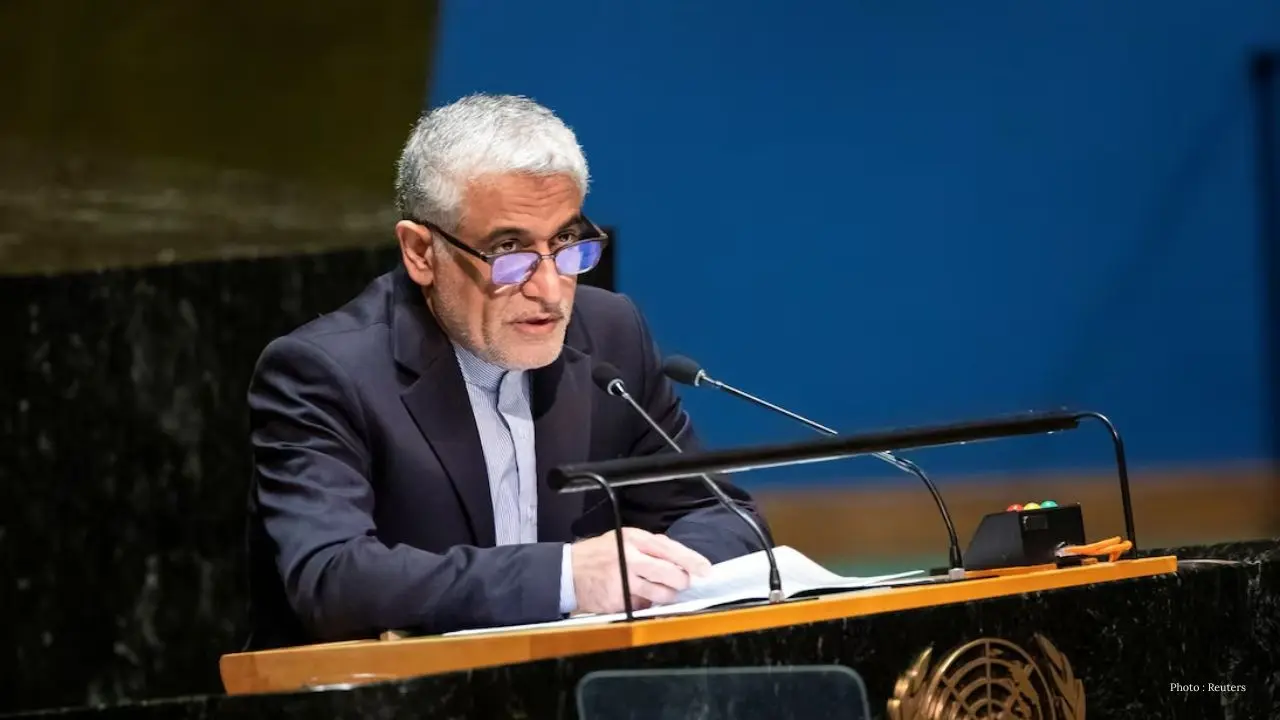
Simultaneously, Trump's recent statements regarding pursuing an optimal deal with Iran introduce a new dimension to the ongoing situation. His remarks imply an endeavor to revitalize or recalibrate talks that could pave the way for broader regional peace. Nevertheless, a definitive plan or agreement among the involved parties remains elusive.
Negotiations with Iran are inherently complex, fraught with enduring disputes over security issues, regional influence, and political matters. These longstanding disagreements significantly impede any potential resolutions. Even as discussions commence, tangible progress is often slow and fraught with uncertainties.
The prevailing instability in the wider region is compounded by persistent tensions involving armed factions, border conflicts, and intense political rivalries. Even minor incidents have the potential to ignite larger confrontations, highlighting the importance of close international scrutiny on any ceasefire or negotiation efforts.
From an editorial standpoint, the current state of affairs underscores the fragility of peace initiatives in conflict zones. Ceasefires offer temporary reprieve, yet they fail to address underlying conflicts. Genuine peace necessitates sustained trust, compromise, and unwavering political commitment from all parties.
The influence of global powers remains a significant factor, as the United States and other nations often endeavor to mediate peace discussions and mitigate violence. However, disparate national interests can hamper coordinated efforts. Each party has distinct objectives, which can delay advancements in peace initiatives.
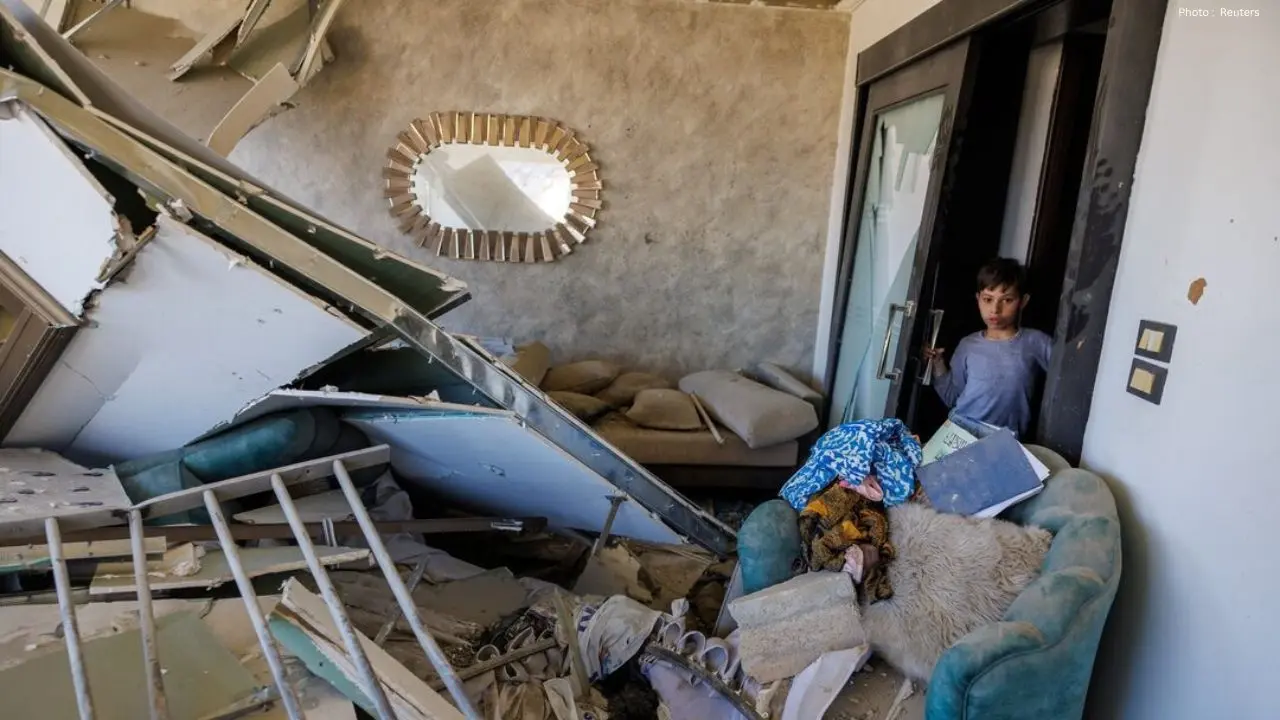
For many families in the region, the ramifications of these tensions are deeply felt, with lives marked by uncertainty, fear, and disruption. While temporary cessation of violence is a relief, the aftermath of conflict—evident in crumbling infrastructure and economic strains—endures.
Globally, the situation carries weight, given the Middle East's vital role in energy production and international commerce. Fluctuations in stability can influence oil markets, shipping routes, and worldwide economic conditions, underscoring the significance of peace endeavors not just locally, but on a global scale.
Although the extension of the Israel–Lebanon ceasefire brings a measure of relief, it does not erase deeper challenges. The success of any ensuing peace initiatives will hinge on the willingness of all parties to embrace difficult compromises and foster lasting trust.