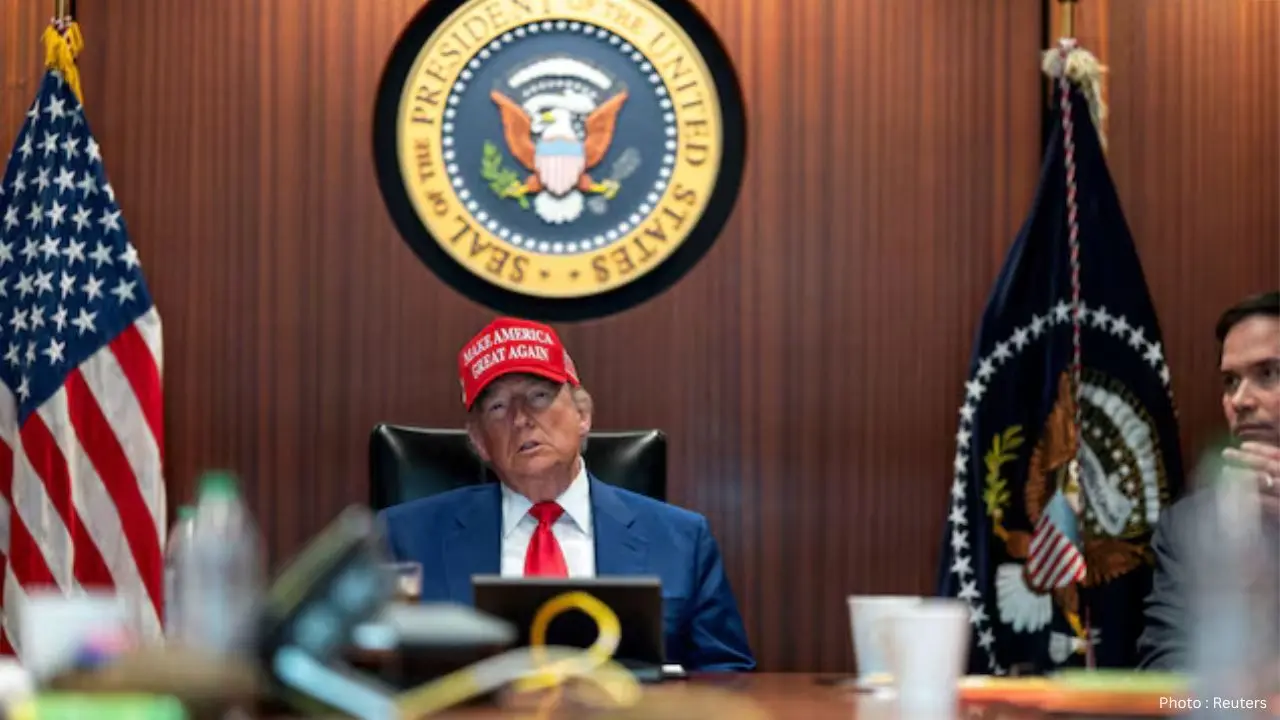
The crisis surrounding the Strait of Hormuz in 2026 has raised alarm bells worldwide, with soaring oil prices putting immense pressure on U.S. President Donald Trump. As tensions between the United States and Iran escalate, the repercussions are felt broadly across global markets and political landscapes.
This conflict ignited in late February when the U.S., in collaboration with Israel, executed airstrikes against Iranian targets. Aimed primarily at curbing Iran's nuclear ambitions and reducing its dominance in the Middle East, the operation has shown little success in the weeks that followed, with Iran's stance remaining unchanged and both nations at an impasse.
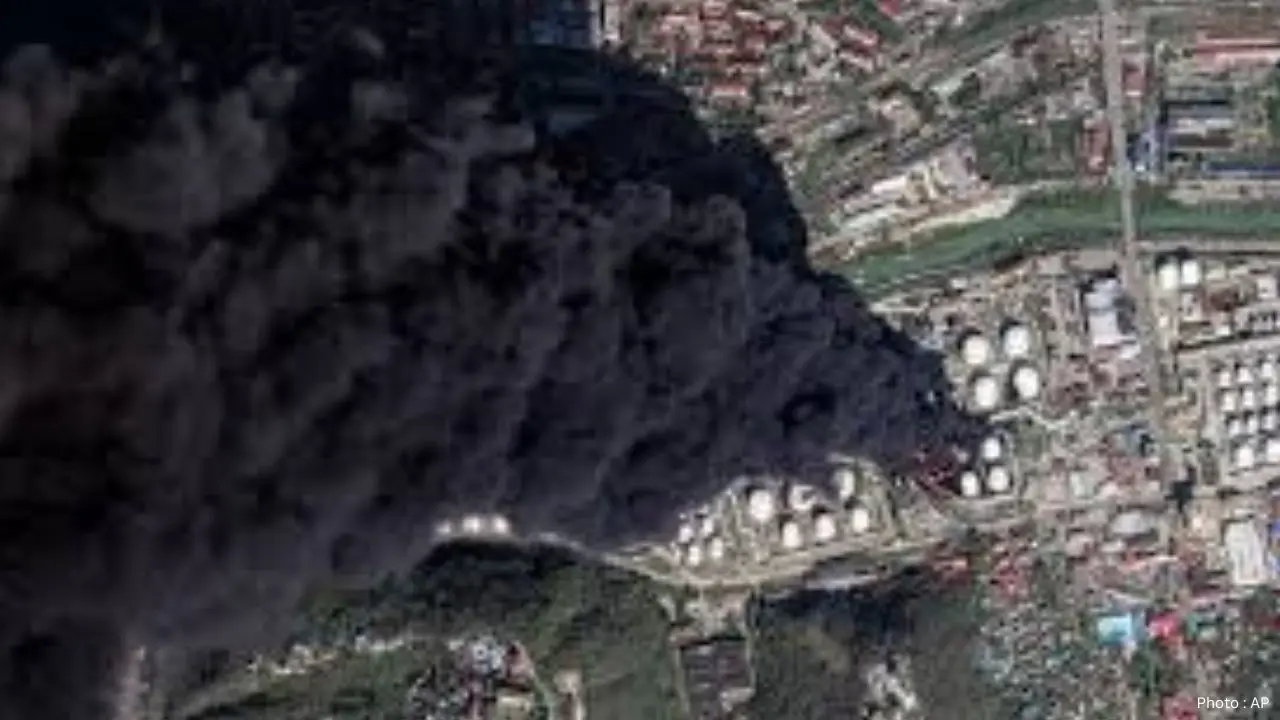
A significant fallout from this crisis is the impact on the Strait of Hormuz, a vital oil transit route. With a large proportion of the world's oil supply passing through these waters, Iran's strategic maneuvering here has caused considerable uncertainty and restricted movement, resulting in a sharp rise in oil prices that is affecting global economies.
This surge in oil prices directly burdens American consumers, as fuel and living costs increase, leading to heightened dissatisfaction among the populace. The spike in costs for both transportation and manufacturing further complicates an already tense political landscape for President Trump.
Support for the administration has recently waned, with citizens increasingly questioning the motivations behind the conflict, especially given the lack of tangible outcomes. Critics assert that this situation has induced more issues than it has resolved, notably escalating living expenses and fostering global instability.
Mixed messages from the U.S. government have only intensified the confusion: despite reports of diminished hostilities following a provisional ceasefire, military operations persist, leaving many uncertain about the conflict's trajectory.
This predicament has strained U.S. relations with its allies, particularly as some European nations express discontent over perceived unilateral military decisions. Disparities within international coalitions hint at a weakened collective approach to resolving the crisis.
On a global scale, the economic ramifications are significant. The rise in oil prices impacts the cost of goods, particularly in countries reliant on fuel imports. Analysts caution that ongoing strife could hinder economic development and exacerbate fiscal pressures in emerging markets.
Despite the military engagements, Iran has managed to assert its position by prioritizing control over key shipping routes, creating tension across international markets. This approach has helped Iran maintain a semblance of strength amidst the standoff, with no clear resolution in sight.
The prospect of a prolonged crisis looms, with neither party likely to claim a decisive victory while tensions could persist. This scenario offers the potential for further economic turmoil and an increased likelihood of unexpected escalations.
The 2026 Iran Strait of Hormuz crisis presents formidable challenges on a global scale. What began as an expected swift military action has morphed into a complex and costly dilemma. As Trump grapples with escalating economic pressures and dwindling public backing, the next few weeks will prove pivotal in determining whether a resolution is forthcoming or if global tensions will continue to escalate.