Hossein Amir-Abdollahian, Iran's foreign minister, has set foot in Pakistan at a crucial juncture marked by escalating tensions between Iran and the United States. His arrival coincides with Donald Trump's expectation for Iran to submit a proposal that aligns with US interests.
This moment underscores important diplomatic undertakings. While hostilities linger, both nations appear to be leaving avenues for negotiations open. Iran's choice to engage with Pakistan suggests it's seeking to navigate the pressure without entering direct discussions with the US.
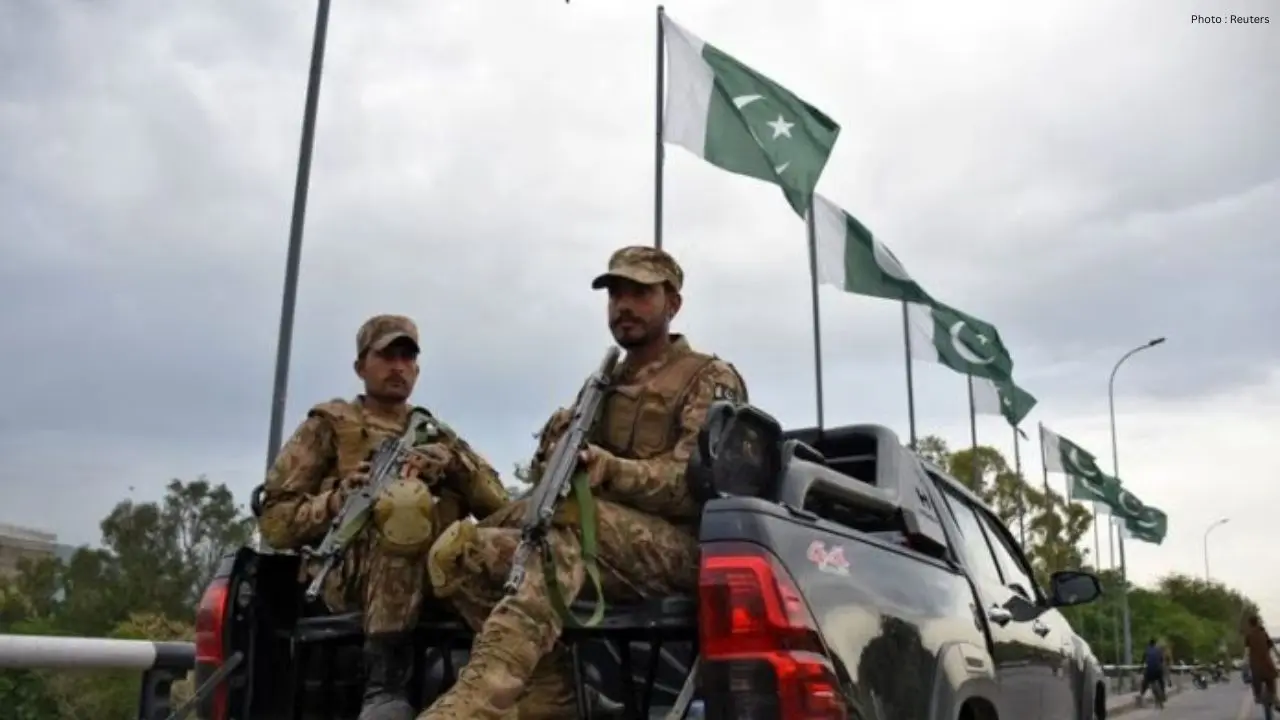
Pakistan has a pivotal position. Sharing a border with Iran, it maintains interactions with both Tehran and Washington. This unique status allows Pakistan to potentially act as a mediator between the two parties. Through hosting talks and facilitating communications, Pakistan aims to de-escalate tensions and avert a worsening situation.
Amir-Abdollahian's agenda includes discussions with top Pakistani officials focusing on security issues, trade dynamics, and regional stability. Border security is anticipated to be a central theme, as both countries contend with challenges related to cross-border movements and militant operations. Enhanced cooperation in this domain could yield benefits for both sides.
Moreover, enhancing economic partnerships will be explored. Iran seeks to bolster trade with its neighbors to mitigate the impacts of US sanctions. Conversely, Pakistan, needing energy solutions and trade enhancements, stands to gain from strengthened relations. Yet, international pressures often impose constraints on such collaborations.
The US, following Trump's directive, remains firmly invested in pressuring Iran, including leveraging economic sanctions and political demands to curtail Iran's nuclear ambitions and regional sway. Trump's recent remarks indicate a waiting stance for a substantial offer from Tehran before advancing any agreements.
This predicament forms a complex equation for Iran. While it seeks relief from crippling sanctions affecting its economy, it also aims to avoid portraying weakness by conceding entirely to US demands. Consequently, Iran appears to be bolstering its regional alliances while cautiously contemplating its next maneuvers.
Wider Middle Eastern tensions further complicate the scenario. Nations such as Israel remain vigilant regarding Iran's actions, and ongoing conflicts with factions like Hezbollah add layers of complexity, hampering straightforward resolutions.
For Pakistan, the task is to navigate a delicate balance. It must uphold its ties with the US while collaborating closely with Iran on regional matters. Any alteration in its stance could yield significant diplomatic and economic repercussions.
Public sentiment plays a crucial role as global observers await the outcomes of these diplomatic efforts. A successful negotiation could ease tensions and foster stability, whereas failure to achieve progress heightens the risk of renewed conflict.
The days ahead are deemed pivotal. If Iran can present a proposal meeting US requisites, it may lead to serious negotiations and reduced tensions, possibly paving the way for a new agreement. However, a steadfast stance from both sides could prolong the uncertainty.
The visits signify that Iran is still pursuing dialogue opportunities, exemplifying the commitment to keep communication channels active amid pressures from influential global forces.