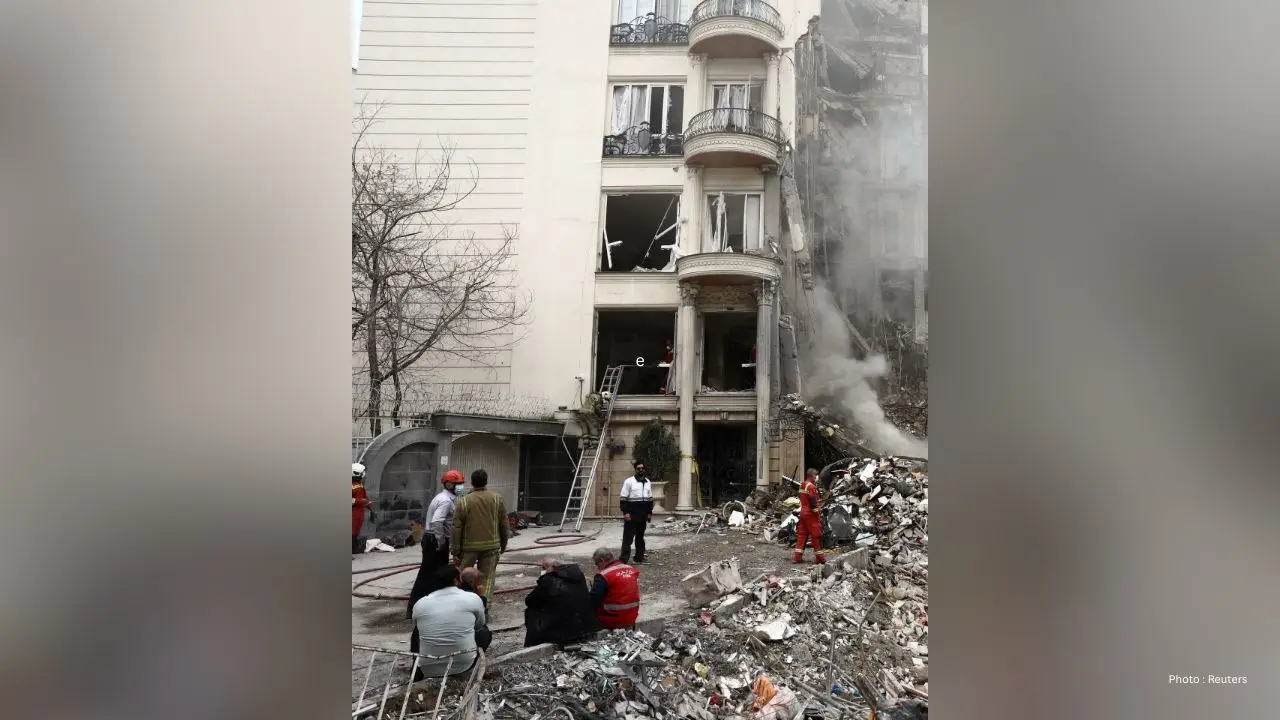
Tensions between the United States and Iran have increased again after Tehran warned that a renewed conflict with Washington is “likely” following President Donald Trump’s rejection of Iran’s latest proposal aimed at reducing tensions. Iranian military officials said the situation remains unstable and warned that the risk of fresh fighting is growing.
According to Iranian media reports, Tehran recently sent a new proposal to the United States through Pakistani mediators in an attempt to ease tensions and continue discussions after weeks of conflict in the Middle East. However, President Trump publicly expressed dissatisfaction with the proposal and said he was not satisfied with what Iran was offering.
Iranian military commander Mohammad Jafar Asadi stated that “a renewed conflict between Iran and the United States is likely,” according to reports carried by Iranian state-linked media. Iranian officials accused Washington of using pressure tactics and warned that military tensions could quickly rise again if diplomacy fails.
The disagreement comes after a temporary ceasefire that was announced on April 8 following weeks of military escalation between Iran, the United States, and Israel. The conflict had caused major disruptions across the Middle East, including attacks on shipping routes, oil supply concerns, and fears of a wider regional war. Despite the ceasefire, negotiations between the two sides have remained difficult.
Reports suggest that Iran’s proposal included demands related to sanctions relief, reopening shipping routes in the Strait of Hormuz, and reducing military pressure in the region. However, the proposal reportedly delayed discussions about Iran’s nuclear program, which remains one of Washington’s main concerns. American officials believe Tehran must address nuclear issues immediately before any wider agreement can move forward.
President Trump also warned that military action could resume if Iran “misbehaves” or refuses to cooperate. Speaking to reporters, Trump suggested that fresh strikes against Iran remain a possibility if tensions continue to rise or if Tehran refuses to compromise during negotiations.
The latest developments have increased concerns about instability in the Strait of Hormuz, one of the world’s most important oil shipping routes. Iran has previously threatened to restrict shipping in the area during periods of conflict, creating fears of major disruptions in global energy markets. Rising tensions have already pushed oil prices higher and raised concerns among international shipping companies.
Iranian officials have continued to defend their position, saying the country is prepared for both diplomacy and confrontation. Iranian Deputy Foreign Minister Kazem Gharibabadi recently stated that the “ball is in the United States’ court,” adding that Tehran is ready for either peaceful negotiations or further escalation if necessary.
Analysts say the growing tensions could create additional diplomatic pressure on both countries as global powers attempt to avoid another major conflict in the Middle East. Several international mediators, including Pakistan and regional Gulf countries, are reportedly continuing efforts to prevent the situation from turning into a larger war.
The situation remains highly sensitive as both sides continue exchanging statements while military forces in the region stay on alert. International observers are closely monitoring whether diplomacy can still succeed or whether the fragile ceasefire could eventually collapse.