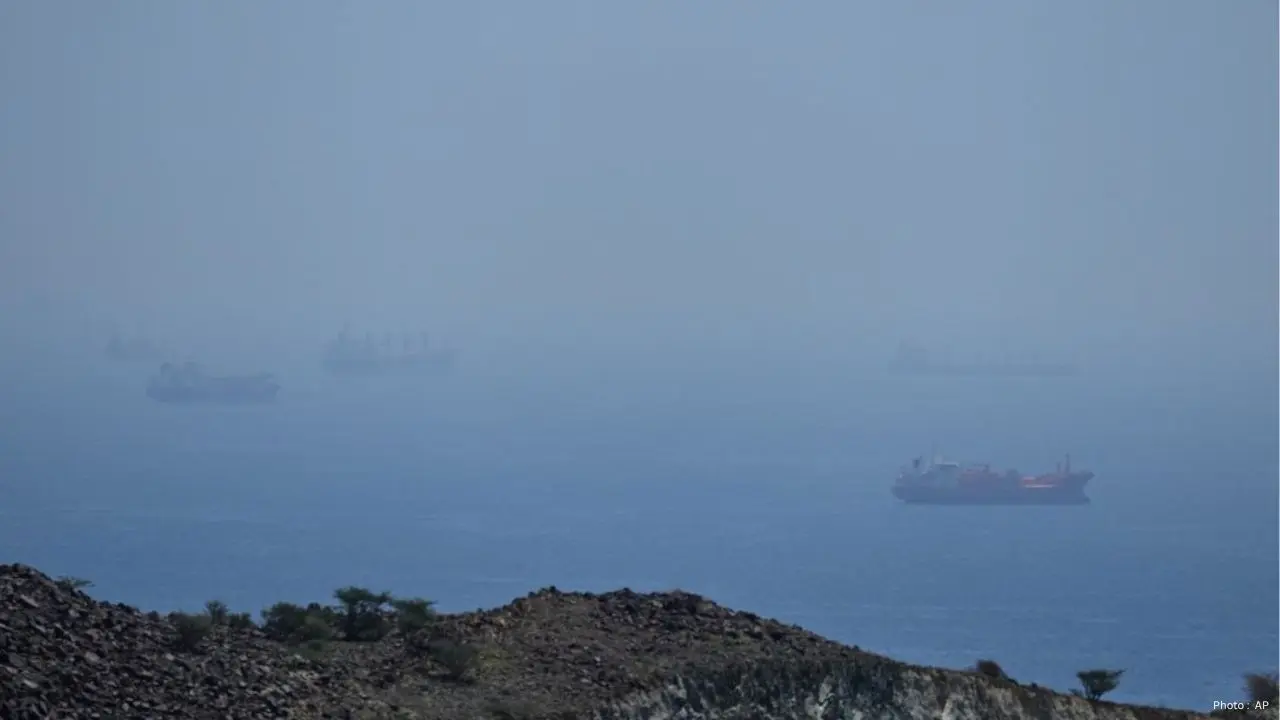
Recent developments in the Middle East have heightened tensions as reports emerge that Iran has attacked a container ship navigating the Strait of Hormuz. This alarming event poses significant threats to global trade and the security of oil supply routes.
The Strait of Hormuz serves as a critical corridor for international shipping, facilitating a substantial portion of global oil exports daily. Therefore, any incident disrupting this vital passage can swiftly ripple across global markets, causing fluctuations in oil prices and uncertainties in trade.
According to initial reports, the container vessel was fired upon while traversing the strait. Although full details are pending, the event has already stirred anxiety among shipping firms and governments alike, marking heightened safety concerns for vessels operating in this region.
This incident occurs amidst already strained relations in the Middle East, where conflicts involving Iran and other international powers have escalated tensions. Military confrontations and strong rhetoric have intensified, complicating the security landscape further as this attack adds to the prevailing unrest.
From a broader perspective, targeting commercial vessels is a serious concern, as these ships transport crucial goods like energy, food, and raw materials. Any disruptions can impact global supply chains, potentially elevating costs for everyday products and jeopardizing economies worldwide.
Vessel crews also face dire risks; their reliance on safe navigation through international maritime channels is critical. Incidents such as this endanger their lives and foster unease across the shipping industry. Prioritizing their protection is vital for all maritime nations.
Global reactions to this situation will be pivotal. Nations dependent on the Strait of Hormuz for energy and commerce may bolster their naval presence to safeguard maritime traffic. However, such increases in military activity must be managed delicately to prevent exacerbating the crisis, as any miscalculation could spiral into a larger confrontation.
This event casts a spotlight on international maritime laws, which aim to facilitate the secure passage of vessels through global waterways. Violations undermine stability and breed mistrust; adherence to these regulations is crucial for preserving peace and trade across borders.
Underlying regional tensions must also be acknowledged. Persistent political and security issues continue to stoke conflict, and without addressing these foundational problems, future incidents are likely.
The economic consequences of such disruptions can be profound. A halt in oil deliveries can drive fuel prices up, subsequently affecting transportation systems and daily livelihoods for millions. Countries heavily reliant on energy imports face significant risks.
This situation illustrates the interconnectedness of today's world; a single event in a vital waterway can reverberate globally. It underscores the necessity for nations to collaborate in preserving stability and security.
The immediate aim should center on de-escalation and averting additional attacks. Open dialogue and diplomatic avenues are essential to circumvent further conflict. While military means may provide short-term solutions, genuine long-term harmony hinges on mutual understanding and cooperation.
The Strait of Hormuz remains a key artery of global commerce. Its safety transcends regional concerns and becomes a universal obligation. The recent attack serves as a stark reminder of how delicate peace can be in these pivotal locales.
As the situation unfolds, global observers will closely monitor developments. The choices made in the coming days could shape cross-border dynamics and influence the world economy. Stability, security, and collaboration should remain paramount.