Tensions between Iran and the United States continued rising as military exchanges near the Strait of Hormuz pushed the fragile ceasefire closer to collapse. Iranian officials mocked Washington’s pressure campaign while the U.S. government waited for Tehran’s official response to a new peace proposal aimed at ending weeks of conflict in the Gulf region.
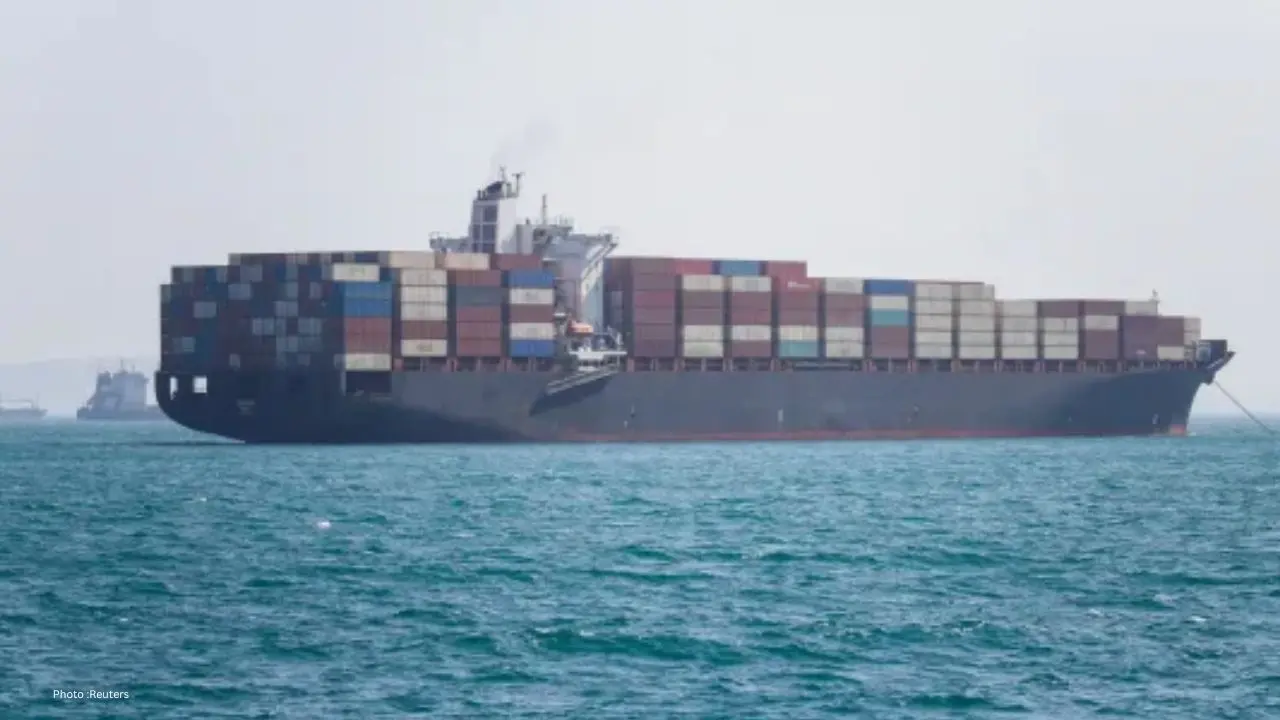
The latest clashes happened around the Strait of Hormuz, one of the world’s most important oil shipping routes. U.S. officials said Iranian missiles, drones, and fast attack boats targeted American naval destroyers moving through the area. According to the U.S. military, American forces intercepted the attacks and later launched retaliatory strikes against Iranian military positions connected to the assault.
President Donald Trump confirmed that U.S. warships came under fire but said the ceasefire technically remained in place despite the violence. Trump warned Iran that stronger military action could follow if tensions continue escalating. U.S. Secretary of State Marco Rubio also stated that American forces would respond immediately to any future attacks on U.S. personnel or naval vessels in the Gulf.
Iranian officials strongly criticized the United States and accused Washington of violating the ceasefire agreement first. Tehran claimed recent American airstrikes targeted civilian areas, ships, and Iranian infrastructure near the Strait of Hormuz. Iranian media described the U.S. blockade operations as “piracy” and warned that Iran would continue defending its territory and shipping interests.
The fighting comes as Washington waits for Iran’s answer to a proposed temporary truce and negotiation framework. Reports said the U.S. proposal includes a short-term ceasefire, reopening shipping lanes, and beginning broader diplomatic talks. However, Iranian leaders have not yet publicly accepted the terms and continue demanding an end to American military pressure and naval restrictions before moving forward.
Military activity in the Gulf has increased fears about global energy supplies because the Strait of Hormuz handles a major portion of the world’s oil shipments. Shipping disruptions and recent attacks have already affected international trade routes and pushed oil markets higher. Analysts warned that any further escalation could create serious economic pressure worldwide if commercial shipping through the strait becomes fully blocked again.
Iranian state media and senior political figures also appeared to mock U.S. threats publicly, describing Washington’s actions as signs of weakness and political pressure. Some Iranian officials argued that the United States was struggling to force Tehran into accepting unfavorable conditions while military operations in the Gulf continued.
Despite the continuing conflict, diplomatic efforts have not completely stopped. International mediators including Qatar, Pakistan, Turkey, and several Gulf states are reportedly encouraging both countries to avoid a wider regional war. The United States said it remains open to negotiations if Iran responds seriously to the latest proposal, but officials warned that military readiness in the region remains extremely high.