Iran has proposed a new phased de-escalation plan aimed at reducing tensions with the United States and restarting diplomatic negotiations after weeks of military and political conflict in the Middle East. However, U.S. President Donald Trump has signaled that he is still not convinced by Tehran’s latest proposal and continues to demand stronger guarantees regarding Iran’s nuclear activities.
According to reports, the proposal was delivered to Washington through Pakistani mediators as both sides continue indirect negotiations following months of military escalation and economic pressure. Iranian officials reportedly designed the plan in several stages, focusing first on reducing immediate tensions before moving toward broader political and nuclear discussions.
The proposal reportedly includes measures related to easing maritime tensions in the Strait of Hormuz, reducing military activity in the Gulf region, and relaxing some economic restrictions on Iran’s oil exports. Tehran also suggested separating conflict management from long-term nuclear negotiations in order to create a more stable environment for future talks.
Despite the new proposal, President Trump has expressed strong doubts about whether the plan is acceptable to the United States. Speaking to reporters, Trump said he was reviewing the details carefully but warned that Iran had “not yet paid a big enough price” and insisted that any agreement must stop Tehran from developing nuclear weapons.
American officials are particularly concerned that Iran’s proposal reportedly delays direct discussions about its nuclear program until after military and maritime disputes are resolved. Washington has repeatedly stated that nuclear negotiations cannot be postponed and must remain at the center of any peace agreement.
Reports also suggest the latest Iranian plan includes requests for sanctions relief, the release of frozen Iranian financial assets, a reduction in U.S. military presence near Iranian waters, and an end to restrictions affecting regional shipping routes. Some reports mentioned that Tehran wants a new framework for managing traffic through the Strait of Hormuz, one of the world’s most important oil transport routes.
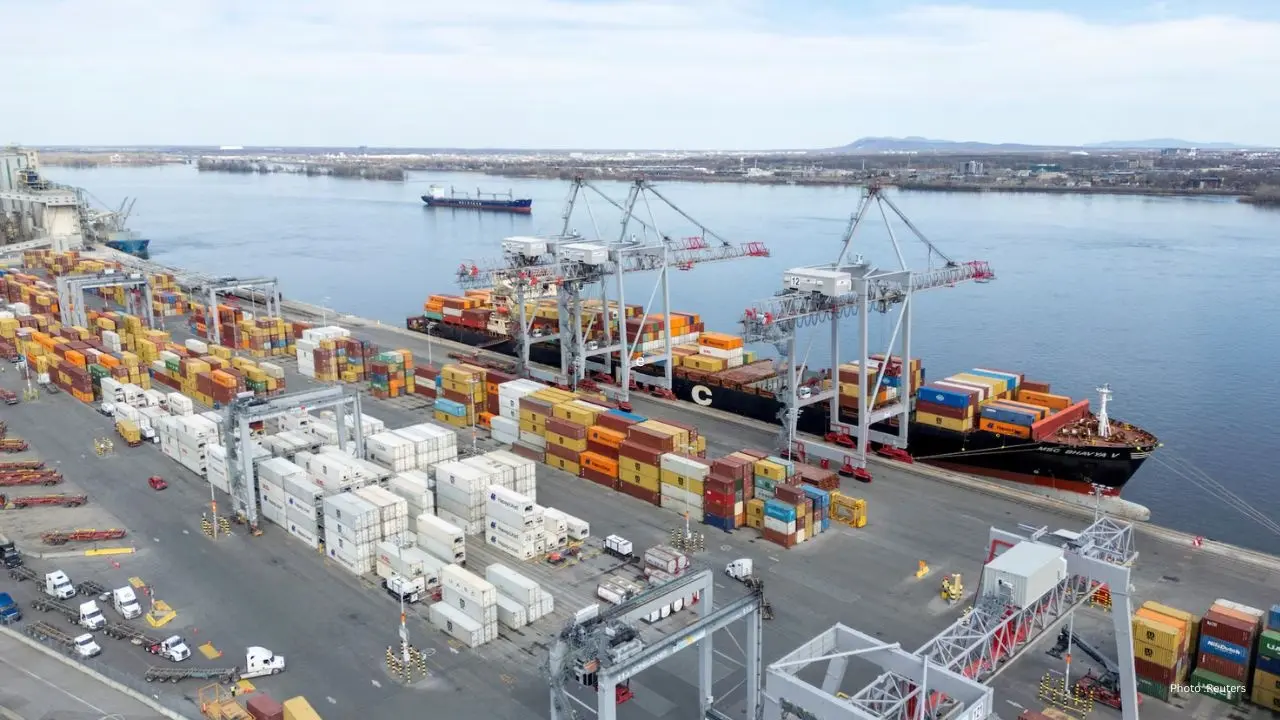
The situation remains highly sensitive because the Strait of Hormuz plays a critical role in global energy markets. A large percentage of the world’s oil supply passes through the narrow waterway every day, and disruptions in the region have already increased concerns about energy prices and global trade stability.
Diplomatic tensions between Washington and Tehran have remained high since the United States and Israel launched strikes against Iran earlier this year, leading to missile exchanges, naval confrontations, and growing fears of a wider regional conflict. Although a temporary ceasefire has reduced direct fighting, both countries continue exchanging threats while negotiations remain uncertain.
Iranian officials have defended the phased approach, arguing that confidence-building measures are necessary before addressing larger political and nuclear disputes. Tehran has also warned that continued military pressure and economic sanctions could increase instability across the Middle East.
Meanwhile, analysts believe President Trump’s skepticism reflects growing pressure inside Washington to avoid a weak agreement while also preventing another major military conflict in the region. U.S. intelligence and security officials are reportedly continuing to assess how Iran may respond if negotiations fail again.
International observers are closely watching the negotiations because another breakdown in diplomacy could impact global oil markets, shipping routes, and regional security. For now, discussions continue through mediators, but major disagreements over sanctions, military activity, and Iran’s nuclear ambitions remain unresolved.