Iran has made it clear that it will not agree to any deal with the United States unless what it describes as the rights and interests of the Iranian people are fully protected. The statement comes as negotiations between Tehran and Washington continue over a possible agreement aimed at reducing tensions, addressing nuclear concerns, and ending months of conflict and instability in the Middle East.
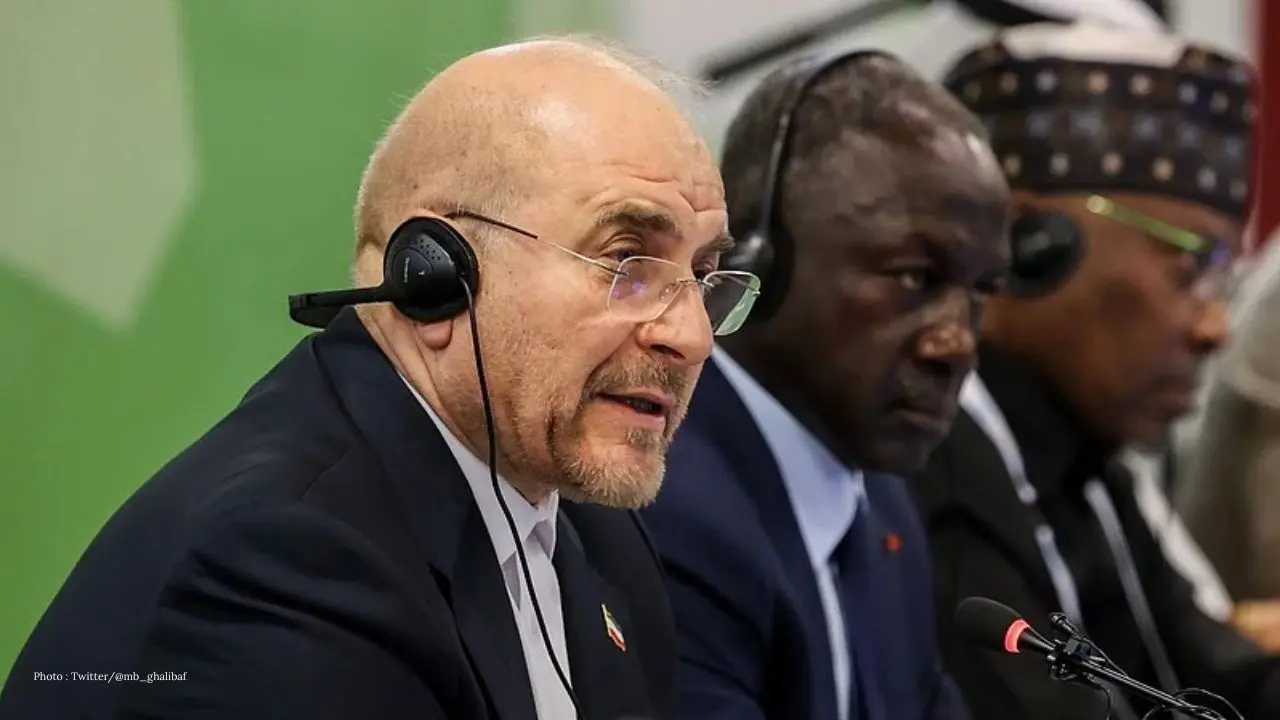
Iranian Parliament Speaker and chief negotiator Mohammad Bagher Ghalibaf said Tehran would reject any agreement that fails to guarantee Iran’s national rights. In comments broadcast on Iranian state television, Ghalibaf stated that Iranian negotiators would not approve a deal until they were certain that the interests of the Iranian people had been secured. He also expressed deep mistrust toward the United States, saying Iran does not rely on American promises alone.
The remarks come at a sensitive moment in negotiations. Reports from several international media outlets suggest that U.S. President Donald Trump recently returned a proposed framework to Iran with tougher conditions and additional demands. While details of the revised proposal have not been officially released, reports indicate that Washington is seeking stronger commitments from Tehran regarding its nuclear activities, regional security issues, and shipping access through the Strait of Hormuz.
Iran has repeatedly argued that sanctions relief remains one of the most important parts of any future agreement. Tehran wants the removal of economic restrictions that have heavily affected the country's economy for years. Iranian officials are also demanding access to billions of dollars in frozen assets held abroad, which they describe as part of Iran’s legitimate financial rights. According to Iranian leaders, no agreement can succeed unless these economic issues are properly addressed.
Another major issue remains the Strait of Hormuz, one of the world's most important energy shipping routes. Since the beginning of the recent conflict, Iran has maintained tight control over activity in the strategic waterway. Tehran argues that oversight of shipping in the region is part of its national security rights and should be respected in any future agreement. The United States, however, has pushed for guarantees that commercial shipping can move freely through the strait without disruption.
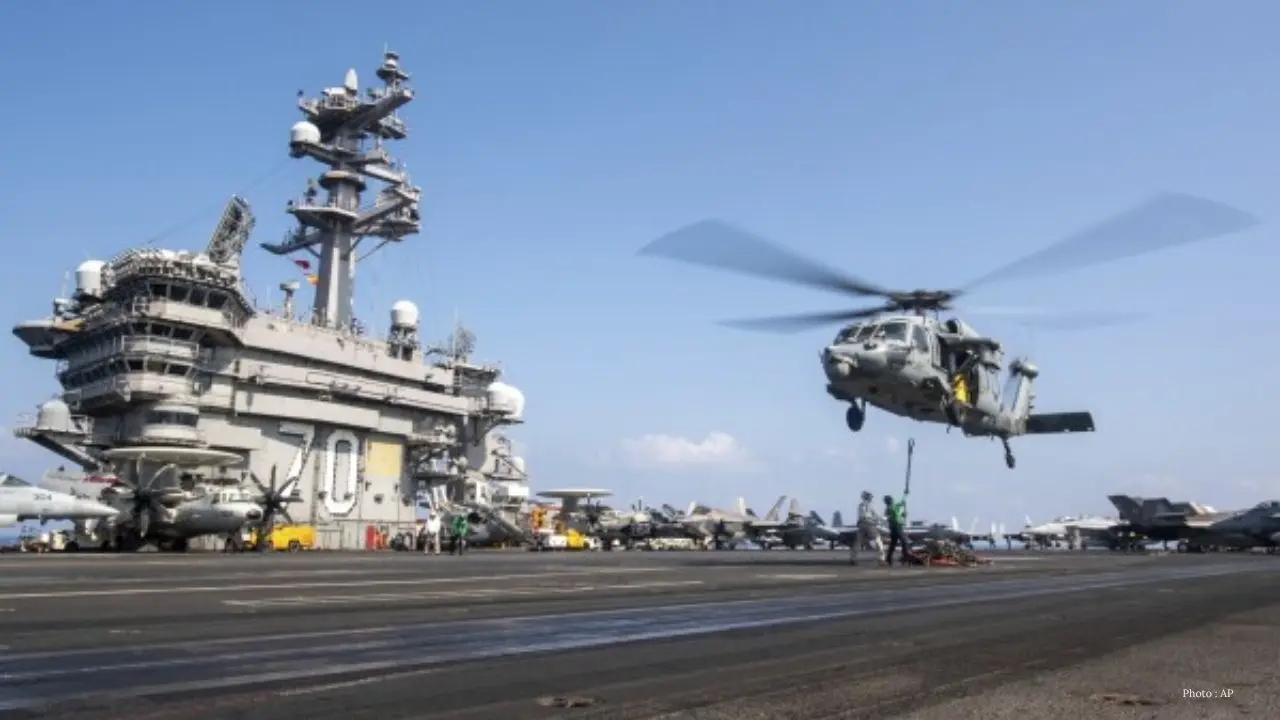
The negotiations are taking place against the backdrop of rising military tensions. In recent days, both Iran and the United States have accused each other of carrying out attacks that threatened ceasefire efforts. Iranian officials have claimed that American military actions damaged trust and slowed diplomatic progress, while Washington has argued that its operations were defensive responses to security threats. These incidents have complicated already difficult talks between the two countries.
Iranian officials have also criticized what they describe as contradictory messages coming from Washington. Foreign Ministry spokesperson Esmaeil Baghaei recently said that inconsistent American positions have made negotiations more difficult and increased uncertainty about the direction of talks. He suggested that conflicting statements from different U.S. officials have contributed to delays in reaching an agreement.
Despite the tensions, both sides continue to leave the door open for diplomacy. President Trump recently said he believes Iran wants to make a deal and suggested that negotiations remain active. He expressed confidence that an agreement could eventually be reached, although significant differences remain unresolved.
Analysts say the biggest obstacles continue to involve Iran’s nuclear program, sanctions relief, frozen financial assets, and regional security concerns. While some progress has reportedly been made in discussions, experts believe a final agreement remains far from certain. Negotiators on both sides continue to exchange proposals, but neither government has announced a breakthrough.
The outcome of the talks could have major consequences for global energy markets and regional stability. A successful agreement could reduce tensions across the Middle East, improve economic conditions for Iran, and help restore confidence in international shipping routes. However, failure to reach a deal could increase the risk of further military escalation and deepen existing geopolitical divisions.
For now, Iran’s position remains firm. Tehran insists that any agreement with the United States must provide clear guarantees, protect national interests, and deliver tangible benefits for the Iranian people. Until those conditions are met, Iranian leaders say there will be no final deal.