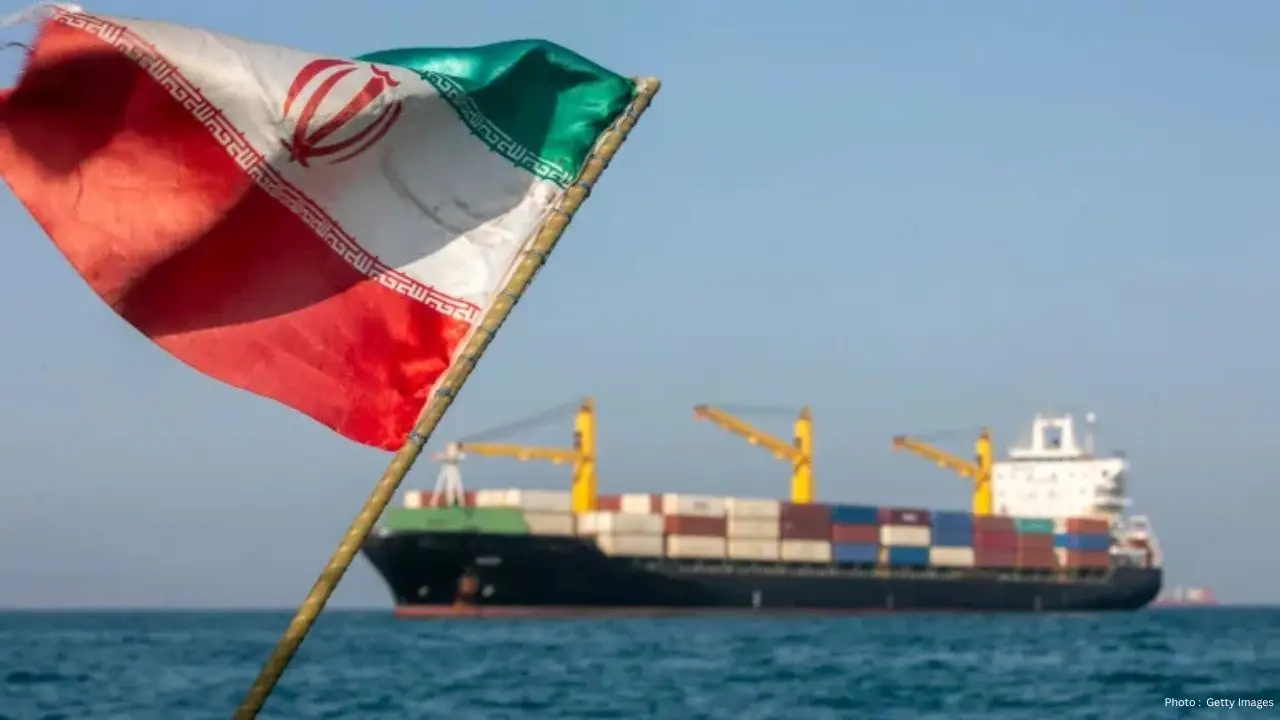
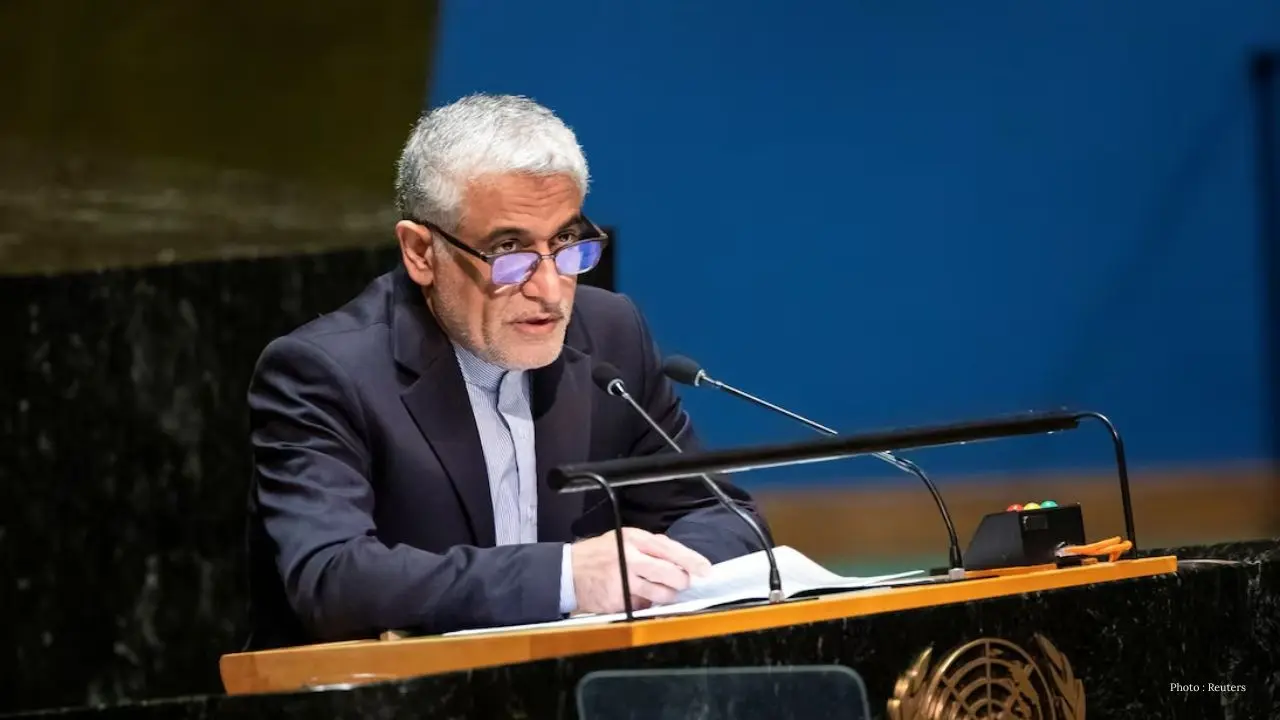
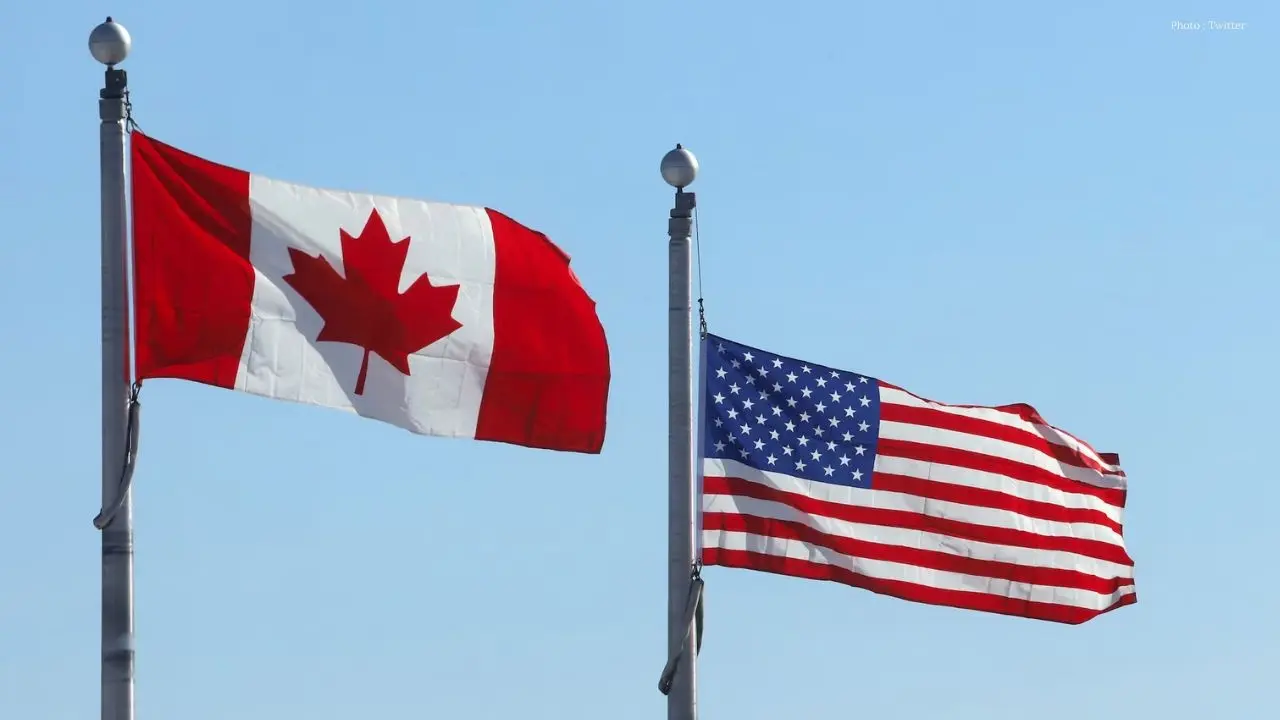
As regional tensions remain palpable, Iran is weighing the potential for a political agreement that could mitigate conflicts in the area. However, deep-rooted distrust toward the United States continues to haunt diplomatic discussions. This situation, marked by decades of strained relations, ongoing sanctions, and military confrontations across the Middle East, complicates negotiations.
The Iranian political landscape is fragmented, grappling with varied opinions on engaging with Washington. While some figures advocate for diplomacy as a means to ease economic burdens and stabilize the region, others express caution, recalling past failed agreements that eroded trust.
The backdrop of these deliberations is a tumultuous Middle East, fraught with uncertainties, military operations, and economic struggles. Such conditions pressure all involved parties to seek dialogue and avoid further escalations.
Iranian officials frequently emphasize that any negotiations must prioritize national security and sovereignty. They contend that external pressures have hindered diplomatic progress and fostered skepticism.
For decades, the relationship between Iran and the US has been riddled with complications, stemming from disagreements on nuclear policies and regional influence, leading to repeated confrontational scenarios and stalled diplomatic efforts. Past agreements serve as reminders of the difficulties in achieving lasting resolutions, straining public trust.
The current economic landscape looms large in these discussions as international sanctions severely impact trade and financial surpluses within Iran, amplifying concerns among businesses and citizens alike. Rising living costs and economic trepidation have fueled public discourse on the nation's prospective direction.
Caution prevails among many Iranian factions regarding reliance on Western promises. Critics stress the necessity for clear guarantees and authentic long-term commitments in any diplomatic venture.
Experts stress that ongoing communication among nations is essential to circumvent escalating regional tensions. Global entities are urging diplomatic initiatives to stave off broader military confrontations across the region.
The situation in Iran is also interconnected with numerous developments around the Middle East, where various conflicts involving regional and international actors alter political dynamics significantly. Scenarios unfolding in Gaza, Lebanon, Syria, and the Gulf have critical implications for strategic calculations within Iran.
Security experts contend that rebuilding trust with the US will be a formidable challenge, exacerbated by historical animosities and unsuccessful negotiations. Even as dialogue initiates, there is often skepticism regarding the endurance of any agreements amidst political shifts.
Public sentiment within Iran mirrors this division. Some citizens see the merit in diplomatic efforts if they pave the way for economic relief and reduced isolation. Others point to past experiences that disillusioned them about the efficacy of diplomatic agreements.
Continuing instability poses serious risks, both humanitarian and economic, affecting civilians most acutely. Military escalations rarely spare everyday life, leading to disrupted infrastructure and commerce.
The dialogue regarding future agreements is multifaceted, encompassing economic recovery and regional security matters. Enhancements in diplomatic ties could considerably affect regional trade patterns, energy dynamics, and political alliances.
Political analysts suggest that any successful negotiations will rely heavily on patience, open communication, and realistic expectations. Rebuilding trust after decades of hostility is a gradual endeavor that can't be rushed.
International diplomacy concerning Iran remains a complex endeavor, often challenged by fluctuating governments and evolving foreign policy priorities. These factors frequently impede progress and diminish faith in sustained agreements.
Despite these challenges, many international leaders advocate for continuous diplomatic engagement as a critical pathway to averting broader conflicts. Military responses alone are widely deemed insufficient to foster enduring peace in the turbulent region.
The internal discourse within Iran reflects broader issues surrounding security, economic survival, and the region's international relations. Decisions made in the near future will significantly influence not just the immediate conflict zones but also the overall diplomatic landscape.
Attention is now directed toward the continuity of negotiations and the responses from both Tehran and Washington to forthcoming developments, with ramifications that could play a pivotal role in shaping regional stability and global diplomacy in years to come.