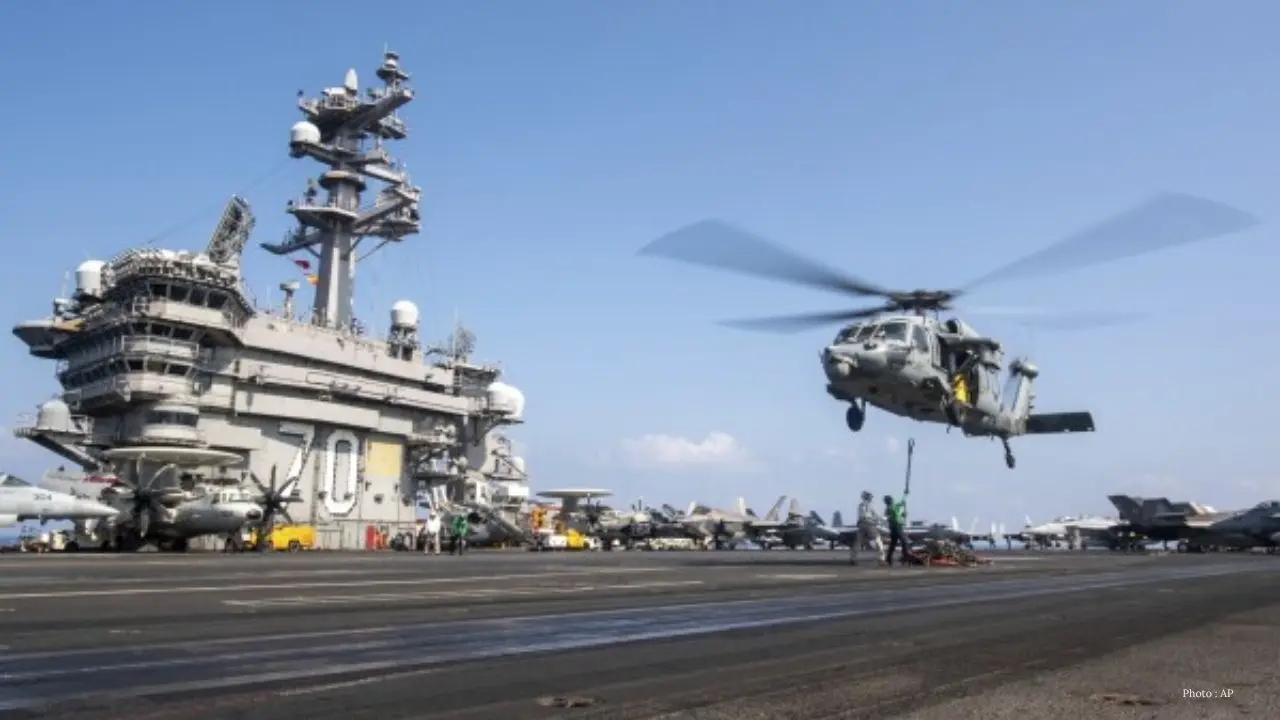
The ongoing turmoil related to Iran has resulted in a significant energy upheaval worldwide, particularly impacting Asia and Africa. As fuel costs escalate and supply becomes less reliable, nuclear power is emerging as a viable long-term option for many nations.
This conflict has disrupted essential oil trade routes, notably the Strait of Hormuz, a critical artery for oil transportation. Any tension in this area swiftly leads to supply interruptions and soaring prices, creating challenges for countries to fulfill their energy demands.
In both Asia and Africa, the ramifications are notably severe, given their reliance on fuel imports. Rising costs influence various aspects, from energy bills to transport fares, compelling governments to seek stable and affordable energy solutions.
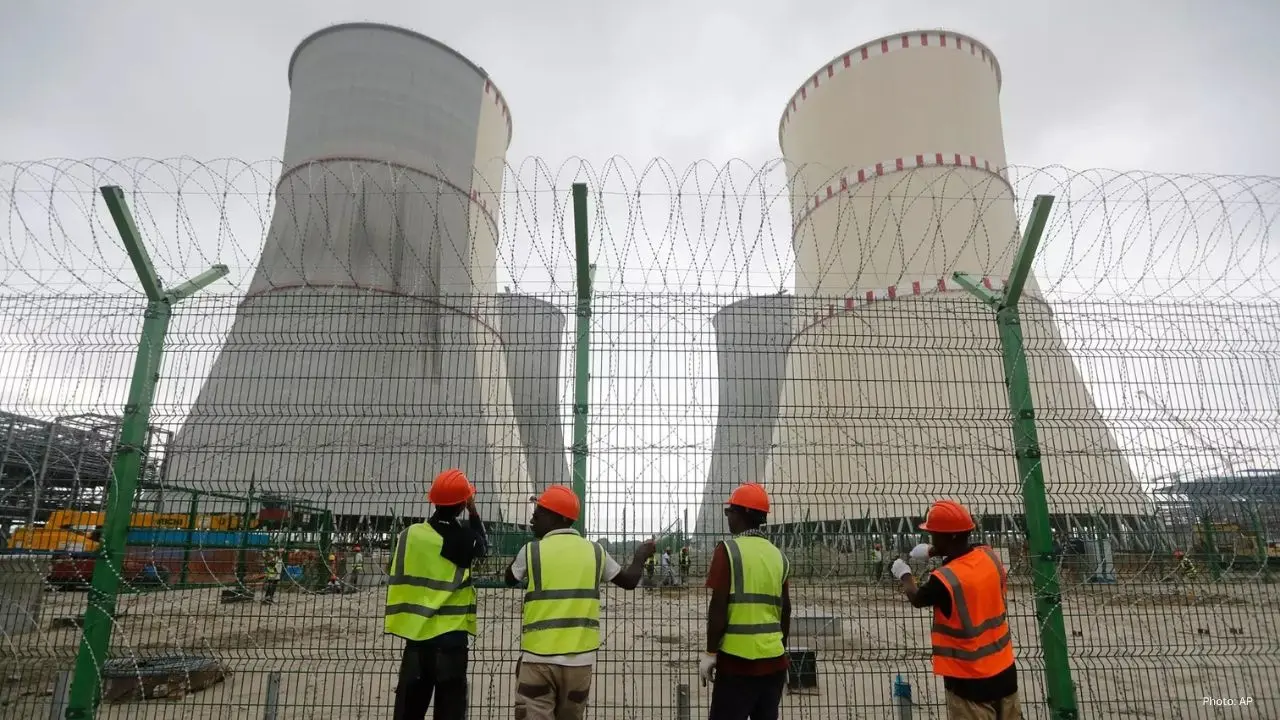
Consequently, interest in nuclear energy is resurging. Nuclear facilities can generate substantial electricity without the heavy dependency on imported fuels inherent to fossil fuels, making them appealing for nations prioritizing energy autonomy.
Countries such as India and China have ramped up investments in nuclear capabilities, while African nations like Egypt are advancing similar initiatives to lessen their fossil fuel reliance.
This transition towards nuclear power reflects not only an energy supply strategy but also a commitment to long-term planning. Governments are striving to safeguard their economies against abrupt shocks stemming from global conflicts, contemplating nuclear energy as a method to establish a more resilient energy framework.
However, nuclear power does come with hurdles. The process of constructing a nuclear facility is costly and time-consuming, with safety and waste disposal issues raising valid concerns. Historical accidents have left many wary of nuclear energy.
Nevertheless, the present energy crisis is compelling nations to adopt new perspectives. While renewable sources such as wind and solar are being pursued, they may not always suffice on their own. Nuclear power is increasingly viewed as a dependable complement to these environmentally-friendly alternatives.
Geopolitical dynamics and energy supply are inextricably linked, as disturbances in one part of the world can lead to adverse fluctuations in fuel prices globally. This reinforces the necessity for countries to diversify their energy portfolios.
For various nations across Asia and Africa, this crisis marks a pivotal shift. It is driving a reevaluation of energy strategies, with nuclear power emerging as a central component of future plans despite its inherent challenges.
This movement towards nuclear energy aligns with a broader aspiration—achieving energy independence. Countries are eager to diminish their dependence on external energy supplies, shielding themselves from potential disruptions. This could catalyze significant transformations in energy production and consumption models in the foreseeable future.
The situation stemming from the Iranian energy crisis underscores one crucial lesson: over-reliance on a single energy source carries risks. As nations pursue more reliable and stable alternatives, the conversation around nuclear energy is gaining urgency in the global arena.