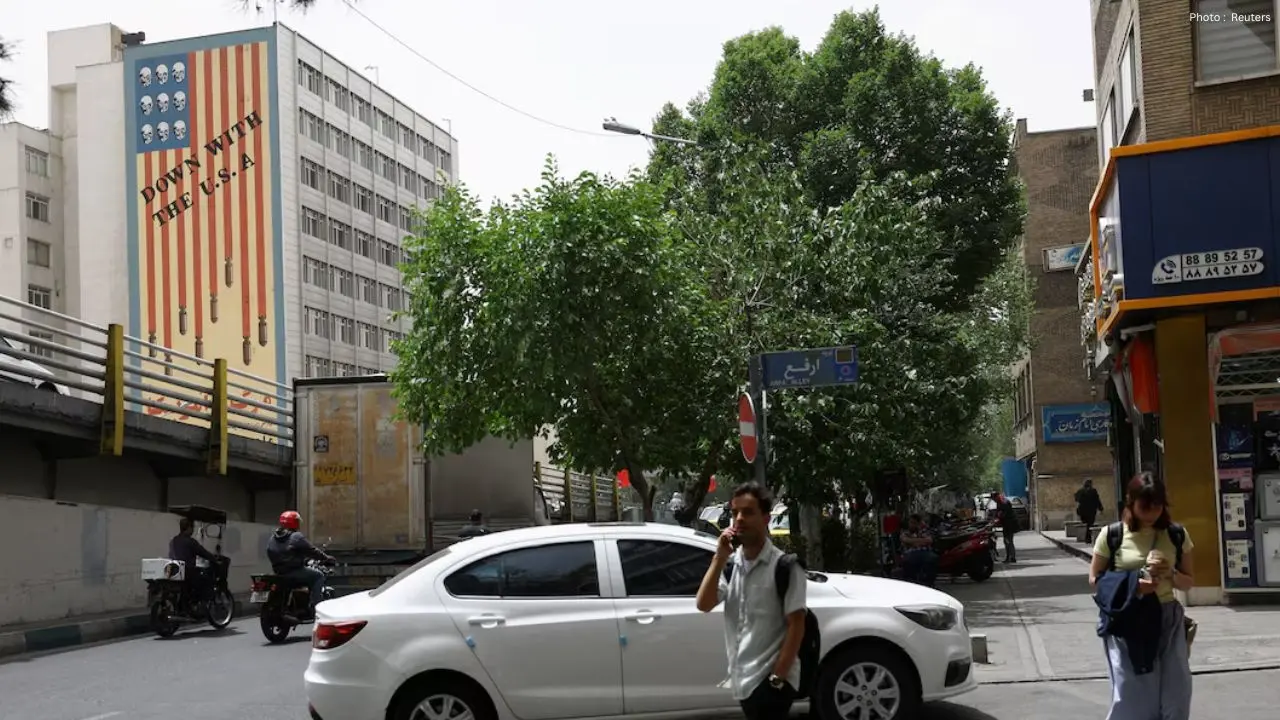
Iran is currently analyzing the most recent communication from the United States, as diplomatic efforts between the two nations draw increased global scrutiny. This update follows comments from former US President Donald Trump, who stated he is willing to wait for negotiations regarding Iran.
This situation illustrates that dialogue channels between Tehran and Washington remain open, even in the face of persistent tensions over significant political and security challenges. Iranian diplomats have communicated that they are meticulously assessing the US's latest message prior to issuing any formal statements or decisions.
The cautious nature of Iran’s approach to sensitive diplomatic engagements is evident in the ongoing review process, with officials declaring that all elements of the US communication are being evaluated thoroughly.
Relations between the United States and Iran have long been strained, driven by disputes over nuclear proliferation, economic sanctions, regional power dynamics, and military actions. As a result, even minor diplomatic interactions garner substantial international interest.
The phrase “Iran analyzing US response” has become a focal point in global political discussions. Analysts suggest that the current communications might be part of broader negotiations regarding sanctions and regional security issues.
Trump’s assertion that he “can wait” introduces another layer of political complexity, indicating that the US is not in a rush to finalize agreements but is prepared to allow time for Tehran’s response.
This discourse underscores the significance of Iran in US foreign policy, which has historically impacted global politics, security frameworks, and energy markets.
While specific details of the US response haven’t been disclosed by Iranian officials, they emphasize that the message merits careful consideration. Tehran tends to prefer a slow, measured approach in international negotiations, particularly with influential powers.
Experts argue that this meticulousness is intended to prevent misunderstandings and safeguard national interests. In the landscape of international diplomacy, precision in language is vital, leading countries to deliberate before delivering formal replies.
The ongoing dialogue between Tehran and Washington unfolds amid a climate of uncertainty in the Middle East, where regional conflicts, economic challenges, and security threats impact international relationships.
Many experts believe the continuation of communication between Iran and the US is noteworthy, as active diplomatic channels can help mitigate risks and avert escalations, even during high-tension periods.
The term “Iran US response” is gaining traction, reflecting the current phase of diplomatic interaction. Although a conclusive agreement is not yet in sight, the ongoing review suggests that dialogue remains active.
Such dynamics are likely to shape global markets and security assessments. Significant shifts in Iran-US relations could affect oil markets, trade flows, regional dynamics, and worldwide diplomatic initiatives.
In Tehran, officials are upholding a measured public tone, refraining from making bold declarations until the review process regarding the latest US communication is fully completed. This careful strategy highlights the seriousness of the ongoing diplomatic dialogues.
Concurrently, the United States is expected to closely observe Iran’s forthcoming reaction, which may influence its next diplomatic maneuvers in the near future.
The Iran-US relationship stands as one of the most scrutinized diplomatic topics worldwide. Each new communication or response has the potential to sway the trajectory of future negotiations.
In summary, the latest developments suggest that diplomacy between Tehran and Washington continues to progress, albeit slowly, amidst ongoing disagreements and political strains. The upcoming weeks might reveal whether these interactions pave the way for deeper discussions or maintain the status quo of heightened tensions.