When Phone Screens Started Competing With Televisions
Not long ago, a phone screen was just a tool to make calls, check messages, and browse lightly. Resolution was low, colours were dull, and scrolling looked choppy. Then came HD screens. Then Full HD. Then AMOLED. Then high refresh rates. And now, smartphones are entering territory once reserved for gaming monitors and premium televisions.
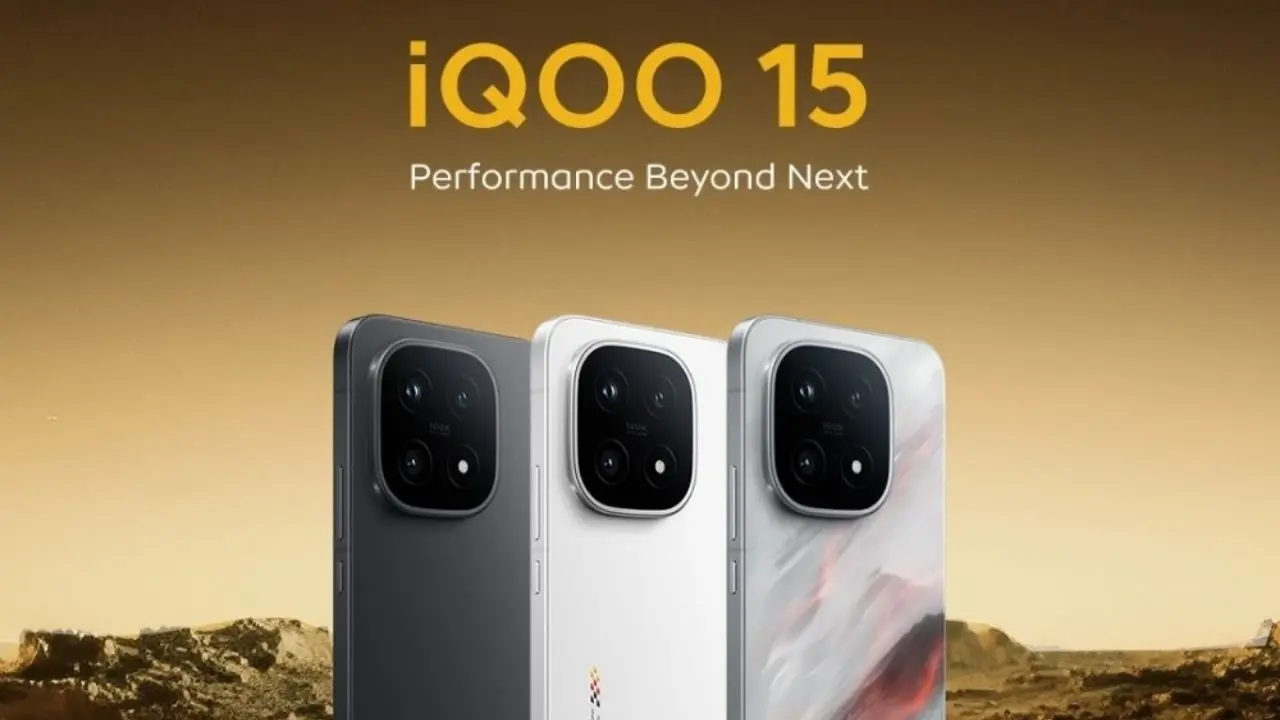
The launch of the iQOO 15 with a 144Hz refresh rate and a 2K display places it firmly in the ultra-premium category. On paper, it sounds stunning. Ultra-smooth scrolling. Razor-sharp visuals. Cinema-like brightness. A screen experience that promises to turn everyday phone use into something extraordinary.
But there’s a difference between impressive and necessary.
Most people use their phones for messaging, browsing, photography, music, video streaming, work, and social media. Very few spend hours gaming competitively. Even fewer use phones for professional video editing or colour-critical work.
So the real question becomes uncomfortable and honest:
Is this screen truly improving everyday life, or is it mainly designed to win spec wars?
Let’s break it down.
Understanding What 2K Display Really Means
The Meaning of Resolution in Daily Use
A 2K display offers significantly more pixels than a Full HD screen. More pixels produce more detail, sharper text, and crisper images.
But here’s the truth rarely highlighted: your eyes can only detect additional sharpness up to a certain point, especially on small screens.
On larger televisions, upgrading from Full HD to 4K is visibly dramatic. On a phone screen, which you hold at arm’s length, the difference between high-quality Full HD and 2K is noticeable only if you look closely or place devices side-by-side.
Where You Actually Notice 2K
You may appreciate a 2K screen when:
-
Reading small, dense text
-
Zooming into photos
-
Watching high-resolution videos
-
Editing images
-
Using phone as a secondary screen for work
-
Viewing detailed graphics or maps
But for messaging, Instagram, YouTube, reels, and news reading, Full HD already looks excellent on a ~6.5-inch display.
2K is luxurious — not essential.
What Does 144Hz Refresh Rate Really Do?
Understanding Refresh Rate Without Technical Noise
Refresh rate measures how many times per second the screen updates its image:
-
60Hz = 60 times per second
-
90Hz = smoother animations
-
120Hz = ultra-smooth experience
-
144Hz = gaming-grade fluidity
A higher refresh rate makes scrolling appear smoother, animations look cleaner, and touch interactions feel faster.
Will You Notice 144Hz in Daily Use?
Yes — but mostly in scrolling and switching between apps.
Once you experience a phone above 90Hz, everything below feels slower. However, the leap from 120Hz to 144Hz is subtle for most users. It’s meaningful for gamers. It is not life-changing for average users.
Scrolling feels great, but the excitement fades quickly.
Smoothness becomes normal.
Battery Impact: The Hidden Cost of Premium Displays
More Power, More Drain
High-resolution displays and high refresh rates demand more power. The screen becomes one of the largest battery consumers in the phone.
Why?
-
More pixels require more processing
-
Faster refresh means more screen updates
-
Higher brightness increases energy draw
Even with intelligent refresh rate adjustment, a 144Hz 2K screen will drain battery faster than a Full HD 60Hz panel.
Real-World Implication
If you:
-
Watch videos
-
Play games
-
Scroll for long hours
-
Keep brightness high
-
Use navigation often
Then battery optimisation becomes your main problem.
Top-tier display tech is beautiful — but hungry.
Do Streaming Apps Even Support 2K and 144Hz?
Most Content Is Not Built For It
The majority of mobile content today is:
Even if your screen supports 2K and 144Hz, most platforms:
You might own a supercar but drive in city traffic.
The engine is there, but the road doesn’t allow you to use it.
Brightness and Colour: Where Premium Screens Truly Shine
Better Displays Aren’t Only About Pixels
The real value of a premium screen lies less in resolution and more in:
-
Brightness control
-
Contrast levels
-
HDR quality
-
Colour calibration
-
Outdoor visibility
Flagship screens often provide:
Even when resolution exceeds human visibility thresholds, colour quality improves perceptibly.
This matters when:
-
Watching films
-
Viewing photos
-
Editing
-
Reading in sunlight
-
Navigating outdoors
Here, high-end screens deliver visible benefit.
Gaming: Where 144Hz Earns Its Keep
For Gamers, It’s Not Marketing — It’s Performance
On supported games:
-
144Hz reduces motion blur
-
Improves aiming accuracy
-
Enhances reaction time perception
-
Makes fast movement clearer
Competitive players notice immediately.
Touch response improves.
Frame timing stabilises.
Movement feels cleaner.
If you play fast-paced games daily, this screen is not excess.
It is functional advantage.
Eye Health: Does Higher Refresh Reduce Strain?
Smoothness Is Easier on the Eyes
Higher refresh rates:
This can make:
However, blue light exposure, screen time, and brightness matter far more than refresh rate.
A beautiful screen doesn’t undo bad habits.
The Price Question: What Are You Really Paying For?
Display Convenience Has a Cost
Premium screens increase:
-
Manufacturing complexity
-
Component cost
-
Repair expense
-
Power management systems
-
Testing standards
When you pay for a flagship display, you're funding:
Damage hurts more.
Repair costs rise quickly.
Insurance becomes more valuable.
Is This Display Actually “Future-Proof”?
Yes — But With Limits
Phones with advanced displays:
But remember:
Your screen may feel fresh long after other parts feel outdated.
When This Display Truly Makes Sense
You should strongly consider it if you:
-
Play competitive games regularly
-
Value design and aesthetics deeply
-
Consume high-resolution content
-
Watch movies on your phone
-
Want long-term device satisfaction
-
Keep phones for 3–4 years
-
Enjoy tactile UI smoothness
You may not “need” it — but you will appreciate it.
When It’s Unnecessary Overkill
You can likely skip paying extra if you:
-
Primarily use messaging apps
-
Watch videos casually
-
Rarely game
-
Value battery life over screen brilliance
-
Replace phones every 18 months
-
Prefer functional durability
-
Want better camera or storage instead
In these cases, the upgrade is emotional, not functional.
A Reality Check on Hype
Specs Are Often Designed to Impress — Not Serve
Brands compete on numbers because numbers are visible.
144Hz sounds stronger than 120Hz.
2K sounds better than HD.
But experience doesn’t scale linearly with specs.
Beyond a point, upgrades are diminishing returns.
The Psychological Effect of Premium Displays
Beautiful Screens Create Attachment
A premium display:
-
Makes the phone feel special
-
Increases usage happiness
-
Reduces “upgrade itch”
-
Enhances visual memory
-
Creates emotional satisfaction
That matters more than people admit.
Technology is not just utility.
It’s experience.
Final Verdict: So… Do You Really Need It?
No — you don’t need it.
But that’s not the same as saying you won’t enjoy it.
If function alone guides you → Full HD at 120Hz is enough.
If experience matters → This display is a joy.
If gaming drives your choice → 144Hz makes sense.
If battery worries you → It’s a tradeoff.
You’re not buying necessity.
You’re buying excellence.
And that’s fine — as long as you know.
Conclusion: The Display Is Fantastic — Whether You Need It Depends on You
The iQOO 15’s screen is not a gimmick.
It is engineering at its finest.
But most users do not buy phones for perfection —
They buy them for balance.
Performance.
Battery.
Camera.
Comfort.
Longevity.
A display should enhance your phone, not dominate your decision.
Buy it because you love it.
Not because numbers forced you.
Disclaimer:
This article is for general informational purposes only and does not constitute professional buying advice. Specifications, performance, and display experiences may vary by region, usage habits, and software updates. Buyers are advised to compare multiple devices and real-world reviews before making a purchase decision.