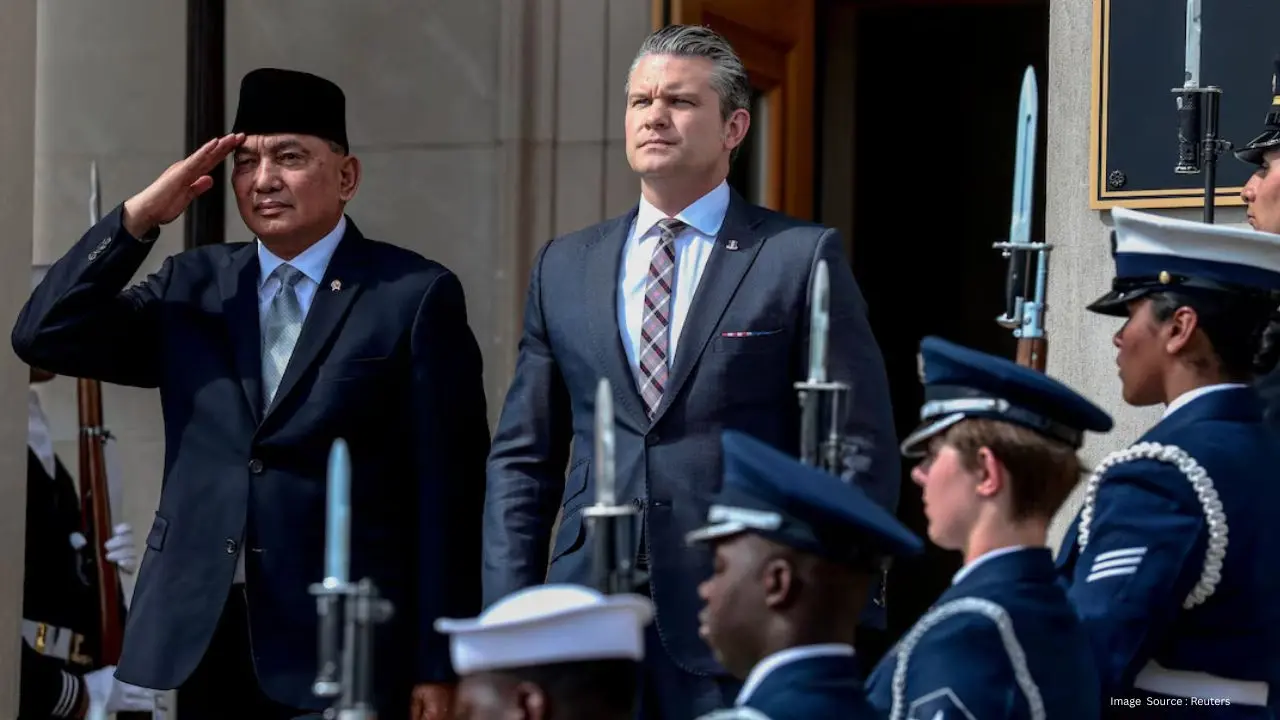
Indonesia has expressed significant apprehension regarding a proposal from the United States that would allow broader military aircraft access to its airspace. This has ignited discussions about national sovereignty and regional security, alongside the nation’s enduring policy of fostering balance in international relations.
Reports indicate that Indonesia’s foreign ministry dispatched a confidential message to its defense ministry, urging caution in progressing with the proposal. If approved, this plan would grant the United States what has been termed “blanket” overflight access throughout Indonesian territory.
Officials have voiced worries that such an arrangement could embroil Indonesia in regional conflicts, particularly in the volatile South China Sea, a locus of tension involving multiple countries and significant global powers.
Indonesia’s alert mirrors its judicious foreign policy stance. The nation has historically adhered to a non-aligned position, seeking amicable relations with major powers while avoiding entrenched alliances. This strategy, often dubbed “free and active,” enables Indonesia to safeguard its national interests and retain its independence.
The proposed agreement emerges at a time when defense partnerships between Indonesia and the United States are reportedly strengthening. Both nations have been enhancing collaboration through joint drills, training initiates, and strategic discussions. However, this new proposal raises alarms that such military ties could undermine Indonesia’s neutral status.
The defense ministry particularly highlighted concerns regarding national sovereignty. Granting foreign military aircraft expansive access to its airspace could convey an impression of Indonesia favoring a specific power, potentially impacting its relationships with other key partners like China.
Security risks present another layer of concern; the ministry pointed out that the proposal might render Indonesia a target in the event of regional strife. Should tensions in the South China Sea escalate, involved nations might regard Indonesia as a participant, even if it aims to remain neutral.
Past incidents further complicate this matter. Reports have indicated that US military aircraft have conducted surveillance missions seen as breaches of Indonesian airspace. Such occurrences raise questions about the future use of any granted overflight permissions.
Nonetheless, Indonesia’s defense ministry has stated that the proposal is presently under consideration, emphasizing that no conclusive agreement has been reached and that any decisions will honor national laws and sovereignty.
This cautious stance illustrates Indonesia’s strategic role in the region. As an archipelago consisting of over 17,000 islands, it occupies a critical position near major global shipping routes. Decisions in this regard are not just significant for trade but are also pivotal for military movements.
Experts contend that Indonesia is striving to balance its burgeoning partnership with the United States while sustaining stable relations with China and other regional entities. This balancing act poses challenges given the escalating global tensions.
The dilemma also underscores a broader reality in international relations, where smaller and medium nations often navigate pressures from larger powers vying for influence. In these instances, choices regarding defense cooperation can markedly affect long-term security and diplomacy.
In summary, Indonesia’s hesitance regarding the US military overflight proposal reflects its dedication to safeguarding sovereignty while pursuing a balanced foreign policy. While fostering cooperation with global powers is vital, the nation is evidently focused on sidestepping actions that could exacerbate regional tensions or compromise its independence. As discussions progress, the implications of this proposal will be closely monitored across the Indo-Pacific region.