A Transformative Policy for India's Tourism Sector
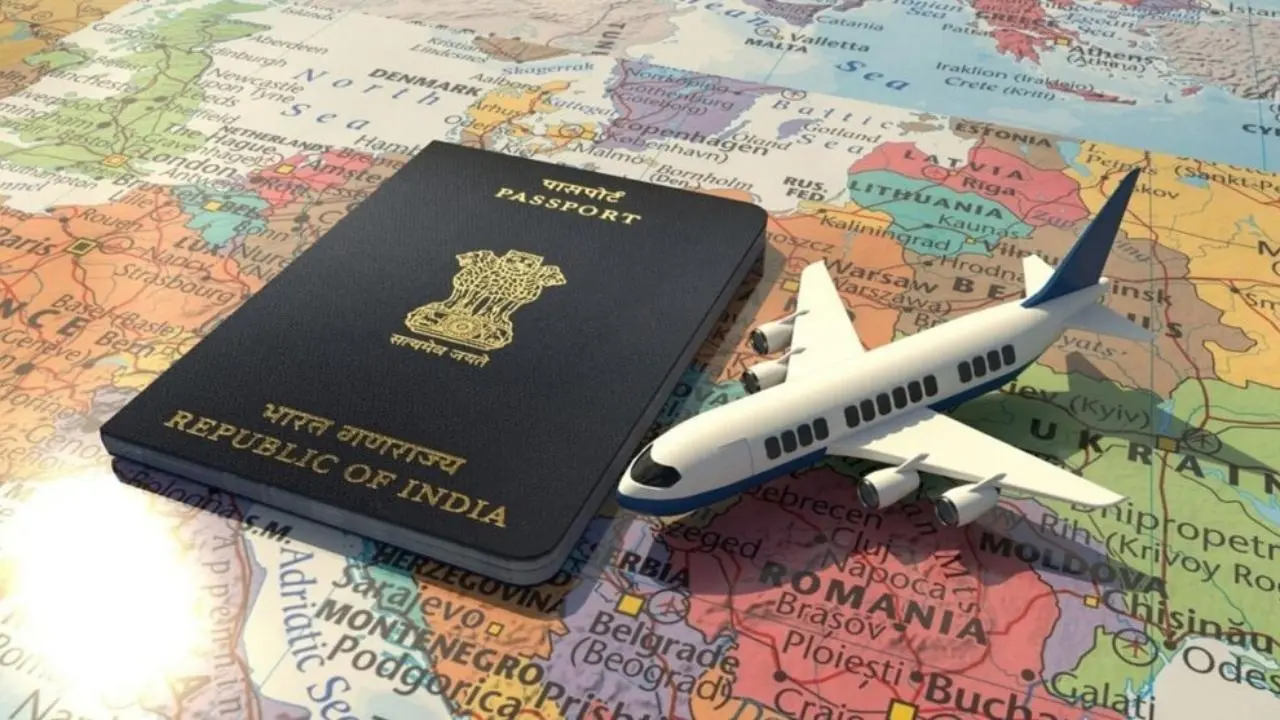
Historically, India's tourism landscape has been shaped by visitors from nearby Asian nations, Europe, and the Middle East. However, evolving global conditions, currency changes, and diplomatic dynamics have unveiled fresh avenues for growth. The recent rollout of a free 30-day e-visa for Russian travelers signals a strategic turn.
This initiative aims to eliminate obstacles, boost visitor numbers, and stimulate economic growth at a juncture when global tourism is adjusting after a prolonged hiatus. For Russian tourists who typically favor warm climates, rich cultures, affordable luxury, and extended stays, India emerges as an attractive contender against more traditional destinations.
The influx of Russian tourists could herald a resurgence in activity for hotels, local shops, and tourism-centric regions within India.
The Rationale Behind the Free 30-Day E-Visa for Russians
Bolstering Diplomatic Relations and Economic Cooperation
India and Russia have maintained a robust partnership encompassing defense, energy, trade, and cultural collaboration. Promoting tourism adds a personal touch to this alliance. By simplifying travel procedures, India seeks to enhance interpersonal ties and broaden economic interactions.
Capturing a Wealthy Tourist Demographic
Notably, Russian tourists are recognized for their higher-than-average spending on:
-
accommodations
-
local excursions
-
fashion items
-
dining experiences
-
wellness services
While they prioritize value, they are also willing to invest in unforgettable experiences. India’s new visa regime reduces entry barriers, making it appealing for thousands of Russian tourists during the winter months.
Revitalizing Tourism in Key States
Regions like Goa, Kerala, Rajasthan, Uttarakhand, Himachal Pradesh, and Tamil Nadu are heavily reliant on international visitors. As these areas seek to revitalize their tourism sectors, the free visa policy arrives at a crucial time.
How the E-Visa Process Operates for Russian Tourists
Simplified Access, No Visa Fees, Swift Approvals
The newly implemented system permits Russian tourists to:
This expedites the process, significantly lowering administrative costs. Previously, obtaining a visa involved fees, embassy visits, and lengthy wait times.
Fostering Spontaneous Travel Plans
The quick and complimentary e-visa system encourages last-minute travel choices, inviting opportunities for short résumés, wellness retreats, and festival participation. Russian tourists who may have hesitated due to lengthy processing times may now view India as an appealing seasonal option.
Implications for India’s Hospitality Sector
Expected Spike in Seasonal Bookings
Hotels in sought-after locations like Goa and Kerala are already experiencing strong demand from Russian visitors during the winter months. With the introduction of visa-free entry, those figures may see a significant increase, benefiting:
-
seaside resorts
-
boutique lodgings
-
economy accommodations
-
wellness resorts
-
extended stay options
Heightened occupancy rates will be beneficial for properties struggling to stabilize after variable global travel patterns.
Increased Demand for Services Catering to Russian Guests
Accommodations anticipating an influx of Russian patrons are likely to adapt by:
-
recruiting Russian-speaking personnel
-
providing Russian-language menus
-
including dishes familiar to Russian tastes
-
facilitating payments in rupees
-
offering tailored tour packages
These initiatives not only elevate guest experiences but encourage repeat visits.
The Rise of Wellness and Retreat Tourism
India is globally recognized as a wellness destination, aligning perfectly with Russian preferences for travel that includes:
-
yoga programs
-
Ayurvedic therapies
-
meditation sessions
-
detox regimens
Now that access is more straightforward and cost-effective, wellness tourism could see remarkable growth.
Impact on Local Commerce and Small Enterprises
Tourist Shopping Anticipated to Increase
Russian visitors are well-known for their robust spending on:
-
local crafts
-
jewelry
-
mementos
-
spices
-
traditional clothing
-
artisan products
Markets in locations such as Jaipur, Delhi, Kochi, Goa, and Mysuru may witness notable sales growth.
Advantages for Restaurants and Local Eateries
Russian tourists enjoy dining at:
An increase in visitors will likely lead to greater support for small restaurants, food stalls, and family-operated businesses.
Expansion in Travel Services and Local Transit
As tourist numbers rise, the following sectors will benefit:
-
taxi operators
-
bike rental services
-
tour guides
-
heritage walking tours
-
adventure sports firms
This increase in activity will yield greater employment opportunities and improved cash flow.
Which Indian Regions Are Likely to Benefit Most?
Goa: A Time-Honored Favorite Among Russians
Goa remains the preferred destination for Russian holidaymakers due to its:
Many Russian tourists prefer extended stays, making the visa-free policy particularly attractive.
Kerala: A Blend of Wellness, Nature, and Luxury
Russian visitors are attracted to:
-
serene backwaters
-
houseboat experiences
-
Ayurvedic wellness
-
wildlife encounters
Kerala's emphasis on wellness tourism gives it a competitive edge.
Rajasthan: Culture and Regal Experiences
Historic cities including Jaipur, Jodhpur, and Udaipur draw visitors interested in:
-
architectural wonders
-
royal palaces
-
traditional folk art
-
desert excursions
The vibrant markets in Rajasthan stand to gain from increased international foot traffic.
Himalayan Regions: Adventure and Spirituality
Locations like Rishikesh, Dharamshala, Manali, and Leh appeal to younger Russian adventurers in search of:
-
trekking trails
-
yoga practices
-
spiritual retreats
-
Scenic road trips
Preparing Indian Businesses for Increased Traffic
Cultural Training and Language Preparedness
Implementing basic Russian-language communication can greatly enhance guest relations. While many establishments utilize translation technologies, personal interaction remains imperative.
Enhancing Digital Payment Solutions
Russian visitors often depend on:
Facilitating seamless payment experiences can significantly boost conversion for local shops.
Clear Pricing and Transparent Services
Ambiguous charges can deter ongoing customer loyalty. Showing pricing information in multiple languages promotes trust and elevates the customer journey.
Challenges Facing India to Maximize Benefits
Infrastructure Strains in Tourist Hubs
An influx of tourists may burden:
-
airports
-
beaches
-
public transport
-
waste management
Updated infrastructure is crucial for managing the increased tourist flow responsibly.
Enhancing Safety Protocols
Visitors anticipate:
Strengthening these elements will bolster India's image as a tourist-friendly destination.
Harmonizing Commercial Growth with Environmental Conservation
Regions like Goa and Kerala must safeguard:
-
beach environments
-
forest ecosystems
-
backwater systems
-
heritage sites
Responsible tourism practices are vital to preserving resources against overuse.
The Significance of This Move for India's Long-Term Tourism Vision
Diversity in Tourist Origin Markets
Reliance on a limited array of source countries can render tourism vulnerable. Attracting an increased number of Russian visitors aids in diversifying risks, ensuring steady tourism influx even when other markets experience downturns.
Fostering Extended Visits and Repeat Travel
A 30-day timeframe allows for:
Such travelers tend to spend more and engage more deeply with local economies.
Establishing India as an Open, Inviting Destination
Ease of entry through simplified visa processes serves as a profound catalyst for tourism growth. By extending this convenience to Russian nationals, India underlines its hospitality and openness.
Wider Economic Impacts Beyond Tourism
Job Growth Locally
Increased visitor numbers mean job creation in:
-
hospitality
-
service positions
-
tourism sectors
-
transportation
-
retail
This positive trickle-down effect holds significance for rural economies.
Empowerment of India’s Cultural Presence
Every tourist acts as an ambassador for India. When they return home with favorable experiences, they contribute to reshaping perceptions and promoting future tourism.
Potential for Increased Bilateral Trade
Enhanced connectivity through tourism can lead to advances in various sectors including:
-
food exports
-
fashion industries
-
educational sectors
-
technological services
Tourism frequently provides a gateway for expanded economic collaborations.
Final Thoughts: A Strategic Policy with Substantial Potential
The introduction of a free 30-day e-visa for Russian tourists is not merely a regulatory change; it represents a key investment in the future of India's tourism, local businesses, and global partnerships.
For the hospitality industry, it opens avenues to increased occupancy and diverse clientele. For local merchants, it heralds an uptick in sales and opportunities for cross-cultural interactions. For regional economies, it promises jobs, revenue streams, and enhanced global visibility.
If the improvements in infrastructure, safety, and sustainability keep pace with this demand surge, India stands to gain tremendously from this initiative—beyond numerical growth, it fosters enduring international relationships.
Disclaimer:
This article is intended for informational purposes. Visa regulations and tourism guidelines could change. Travelers should verify the latest official information before making decisions.