India’s Republic Day Parade 2026 – A Display of Military Might
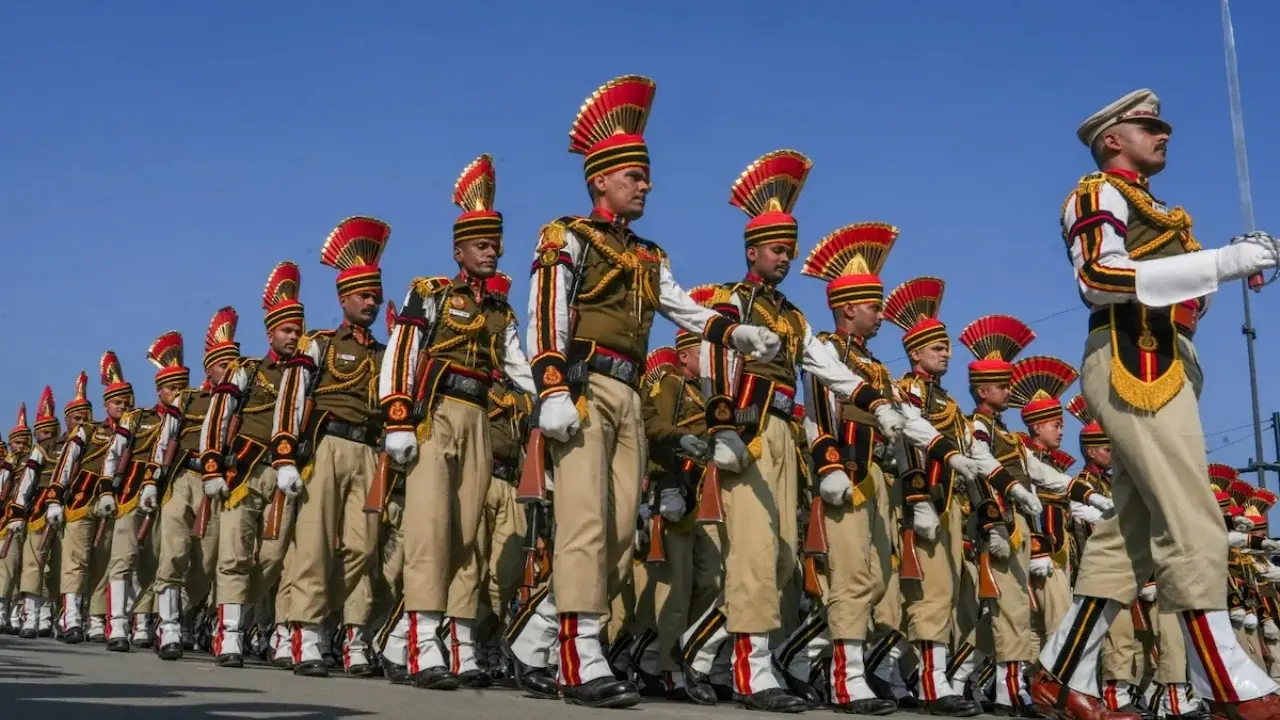
On January 26, 2026, India celebrated its 77th Republic Day with a spectacular parade at Kartavya Path, New Delhi. This year, the event not only showcased the nation’s cultural heritage but also highlighted the impressive capabilities of the Indian Armed Forces. While traditional tableaux and marching units have long been a part of the Republic Day festivities, the 2026 parade emphasized India's advanced defence readiness and technological independence. Featured prominently were the Akash and BrahMos missile systems, the Arjun Main Battle Tank, aerial formations, and a variety of modern weaponry, marking a significant display of national competence.
The Significance of the Republic Day Parade 2026
The Republic Day Parade commemorates the adoption of the Indian Constitution on January 26, 1950, offering a chance to emphasize the country’s military strength alongside its cultural richness. This year, the parade took on greater strategic importance, set against a backdrop of shifting geopolitical dynamics and an increased focus on domestic defence manufacturing. Leaders from both government and military used this platform to highlight advancements achieved through continuous investment in indigenous defence technologies, reinforcing the country’s commitment to self-reliance.
Highlighting Key Defence Systems
BrahMos Missile System
A standout participant in the mechanised column was the BrahMos supersonic cruise missile system. Co-developed by India and Russia, it is among the fastest cruise missiles globally, renowned for its speed, accuracy, and versatility. Its presence in the parade highlighted India’s integration of advanced missile technology into military operations, enhancing its operational flexibility.
Akash Surface-to-Air Missile System
Another major feature was the Akash medium-range surface-to-air missile system, integral to India’s air defence framework. Developed locally, this system provides robust defence against aerial threats and has excelled in numerous defence exercises. Its portrayal at the Republic Day Parade emphasized India’s dedication to securing its airspace and capabilities in modern warfare scenarios.
Arjun Main Battle Tank
Included in the parade was the Arjun Main Battle Tank, one of India’s most sophisticated indigenous armored platforms. Combining mobility, firepower, and protective armor, the Arjun MBT exemplifies decades of domestic research focused on meeting contemporary warfare needs. Its display highlighted advancements in India's defence production sector.
Artillery and Rocket Systems
Advanced Towed Artillery Gun System (ATAGS)
The ATAGS artillery gun, developed in collaboration with defence research sectors, also featured prominently. Known for its long range and precision, the ATAGS signifies India’s capability to produce advanced artillery systems.
Universal Rocket Launcher System – Suryastra
The ultimate highlight was the debut of the Suryastra universal rocket launcher system, capable of deep strike missions against high-value targets. With striking ranges extending several hundred kilometers, it represents a significant enhancement in India's ground artillery capabilities.
Dhanush Artillery Gun
Also unveiled was the Dhanush artillery gun, another domestically enhanced system. Designed for a high range and rapid-fire capabilities, the Dhanush underscores the successful implementation of local innovations.
Aerial Strength and Displays
The aerial showcase at the Republic Day Parade never fails to captivate, and the 2026 edition was no exception. Pilots from the Indian Air Force executed intricate formations and impressive flypasts, featuring fighter jets and support aircraft. Notable were formations including the Rafale, MiG-29, Sukhoi-30, and Jaguar fighter jets, reflecting aerial strength and readiness.
These aerial formations included the new 'Sindoor formation', celebrating operational triumphs and symbolizing unity in the air. In total, the flypast featured 29 aircraft including fighters, transporters, and helicopters, exemplifying the Indian Air Force’s comprehensive capabilities.
Technological Innovations
In addition to traditional systems, this year’s parade showcased India’s advancements in emerging defence technologies. Static displays included advanced drone systems and unmanned ground vehicles, illustrating the integration of automation into the military framework. Developed alongside private industry and research institutions, these systems encompass functions from reconnaissance to autonomous operations.
The mechanised column also presented medium-range surface-to-air missiles (MRSAM) and air defence elements like the ABHRA system, enhancing the display of India’s protective landscape. The appearance of the Drone Shakti Lorry, developed for enhanced operational capabilities, showcased the practical uses of unmanned platforms in logistics and support.
Ground Troops and Novel Participants
A noteworthy aspect of the 2026 parade was the inclusion of new units and unique ground contingents. The Bhairav Light Commando Battalion and Shaktiban Regiment made their debuts, providing insight into the evolving structure and capabilities within the Indian Army.
The parade also featured unconventional participants such as Bactrian camels and Zanskar ponies, referred to as “animal soldiers,” highlighting the historic role of animals in military operations, especially in rugged terrains.
Additionally, the Indian Army’s 'silent warriors' or mook yoddhas, which featured trained raptors for aerial reconnaissance, made their first appearance, symbolizing surveillance and rapid responsiveness.
Leadership, Themes, and Diplomacy
The parade was commanded by top military leadership, with Lieutenant General Bhavnish Kumar overseeing the grand event, reflecting the organized coordination behind this comprehensive display.
The central theme of the Republic Day 2026 was “150 Years of Vande Mataram,” honoring the sesquicentennial of the iconic national song, rich in cultural and patriotic meaning.
Diplomatically significant, the celebrations also hosted distinguished international guests, including senior European Union officials, marking India’s expanding global partnerships.
Public Engagement and National Significance
Nationwide, people tuned into the parade via various media, including TV and streaming platforms, bringing the event into homes across the country. The parade was more than a celebration of constitutional values; it reaffirmed India’s defence resolve and technological advancements to a global audience.
Thus, the Republic Day Parade 2026 served not only as a ceremonial tribute to the nation's constitutional journey but also as a vivid demonstration of India’s defence evolution—a blend of tradition and modernity, signaling readiness and capability.
Disclaimer: This article relies on publicly available information and multiple news reports, intended solely for informational purposes.